
Scale SaaS Guide: Proven Strategies for Rapid Growth in 2026




In 2026, the SaaS world is both fiercely competitive and brimming with possibilities. Achieving breakthrough growth is not just about having a standout product. The real challenge is learning how to scale SaaS organizations in a way that is fast, sustainable, and precise.
SaaS founders and go-to-market leaders are under more pressure than ever. They must deliver results quickly, operate efficiently, and keep teams aligned as they move from early traction to enterprise-level growth.
This guide is designed for ambitious leaders who want to scale SaaS companies without losing focus on margins, product quality, or market fit. We will explore strategies that top performers use—aligning product, marketing, and sales into a single, powerful growth engine.
You will discover how to leverage segmentation, build self-funding GTM models, and harness the latest in Agentic AI automation. Ready to transform your approach? Dive in for a step-by-step playbook to scale SaaS with confidence and clarity.
The Hard Truths of Scaling SaaS in 2026
Scaling a SaaS company in 2026 is both an exciting and treacherous journey. The reality is that more than 70% of startups fail, often because they attempt to scale saas too early or without clear alignment across teams.
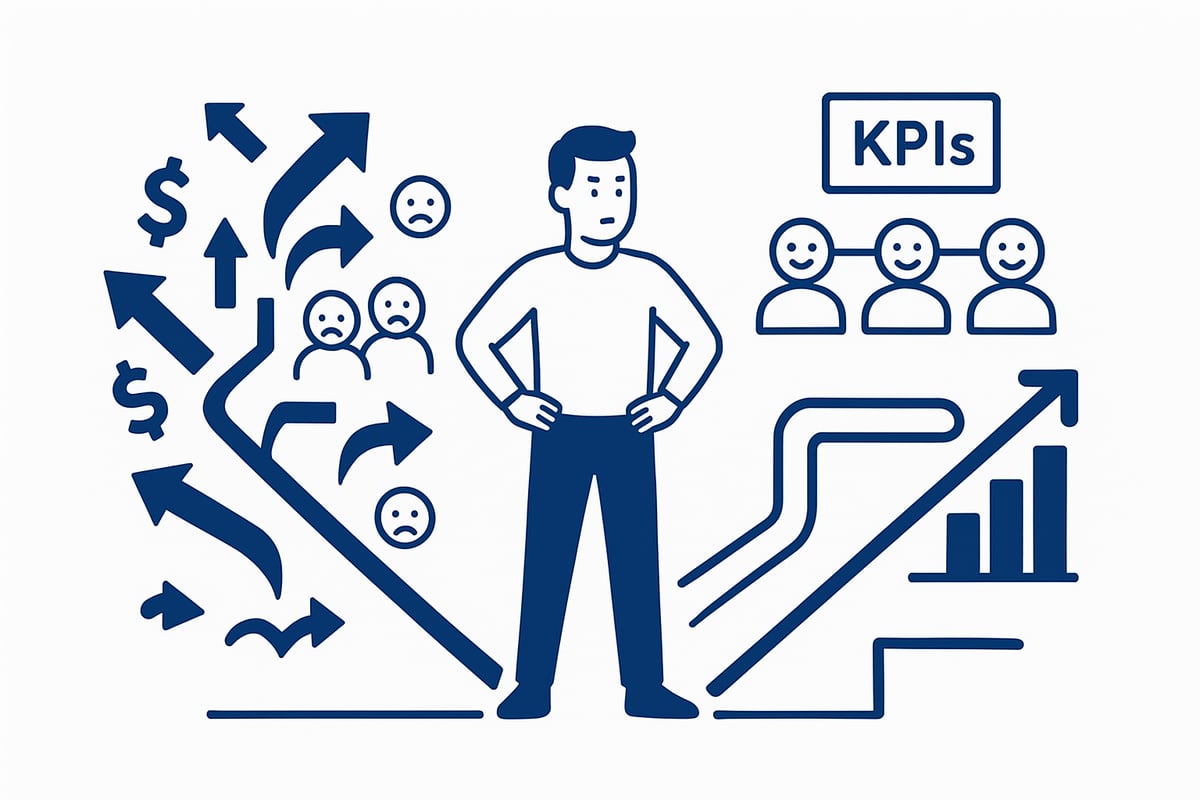
What goes wrong?
- Chasing growth without first achieving true scale—working harder, not smarter.
- Relying on founder-led sales and lacking a repeatable, systematized growth engine.
- Scattergun customer acquisition that targets anyone willing to listen.
- Teams working in silos, resulting in disconnected KPIs and wasted resources.
- Failing to analyze gross margin by segment, region, or contract size before ramping up acquisition.
Consider the B2B SaaS founder who signs any customer that comes along. This often leads to product drift and erodes margins, making it nearly impossible to build a sustainable business.
Data from Forrester shows that companies aligning product, marketing, and sales functions grow 2.5x faster. The winning formula is not about adding more channels or people, but orchestrating every function for maximum impact. If you want to go deeper into avoiding these pitfalls, check out these SaaS growth strategies.
In 2026, the difference between thriving and failing is a relentless focus on operational clarity, economic discipline, and unified execution.
Segmentation: The Foundation for Scalable Growth
In the race to scale saas, segmentation is more than a marketing filter—it is a financial and operational lever that defines your entire growth trajectory. The best-performing SaaS teams treat segmentation as the cornerstone of their go-to-market strategy, not a checkbox on a campaign brief.
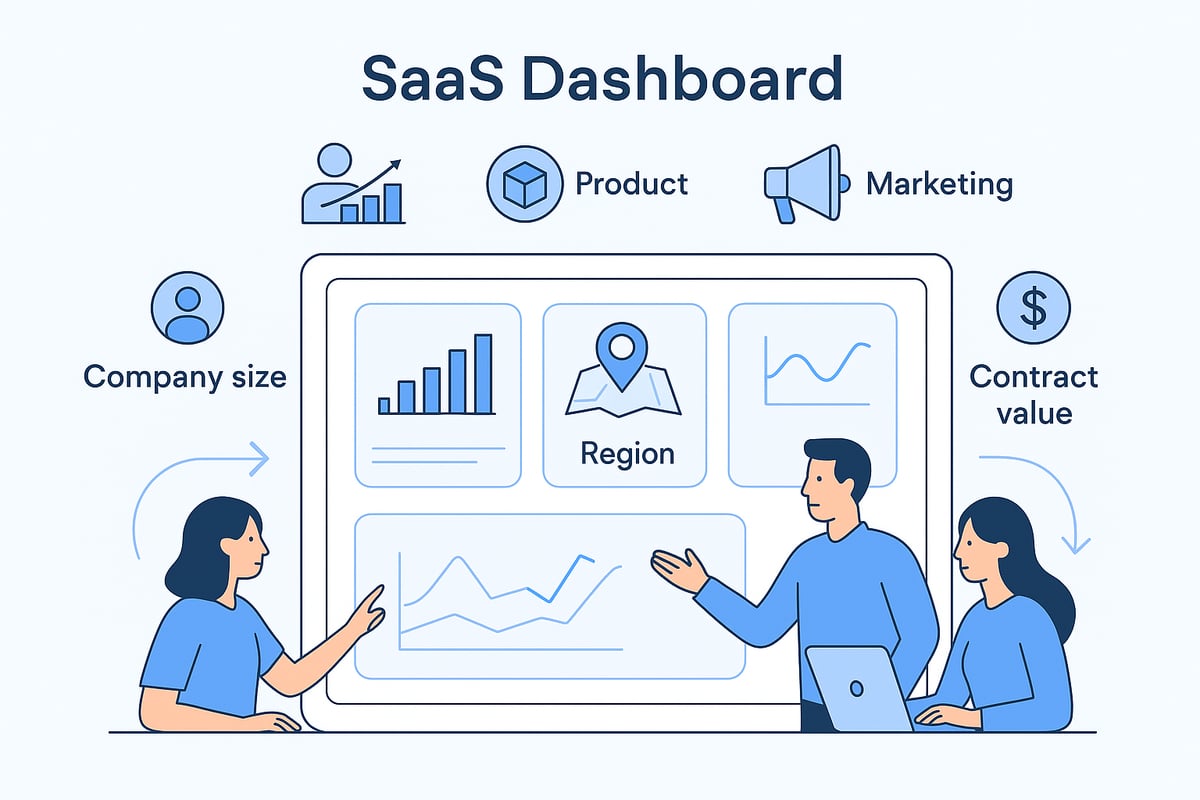
To truly scale saas, founders and GTM leaders must rigorously analyze:
- Which customer segments drive the highest margins
- The contract sizes that justify sales and support investment
- Where cost-to-serve threatens profitability
Consider Nexl. Their segmentation analysis revealed that law firms with over 50 employees generated higher lifetime value and lower churn. By doubling down on this segment, Nexl shifted its go-to-market focus and saw measurable ARR growth.
Avoid the temptation to chase every logo. In markets with a limited total addressable list, “spray and pray” tactics dilute product focus and drain resources. Instead, segmentation should unify product, marketing, and sales teams. When everyone rallies around the same ideal customer profile, GTM activities become sharply targeted.
Using data tools to map regions, verticals, and buying cycles ensures every outreach is intentional. For example, many SaaS companies are now replacing broad SDR outreach with account-based marketing, which increases win rates and lowers CAC. For more actionable ideas, see these B2B SaaS marketing tactics.
SaaS firms that operationalize segmentation see up to a 30 percent boost in LTV/CAC ratios. In 2026, segmentation is the bedrock for any team that wants to scale saas with precision and profitability.
Aligning Product, Marketing, and Sales for Unified Growth
When SaaS companies attempt to scale saas, the biggest roadblock is often the invisible walls between product, marketing, and sales. Siloed teams chase their own KPIs, resulting in wasted resources, slower pipeline growth, and missed revenue targets. If you have ever watched a promising product stall because sales and marketing were out of sync, you know the frustration.
A true story: One fast-growing SaaS startup doubled its sales team but saw pipeline velocity drop. Why? Marketing ran broad campaigns, product released features for the wrong audience, and sales chased mismatched leads. The fix did not come from working harder but from aligning every function to a single, unified growth engine.
Why GTM Alignment Is Non-Negotiable
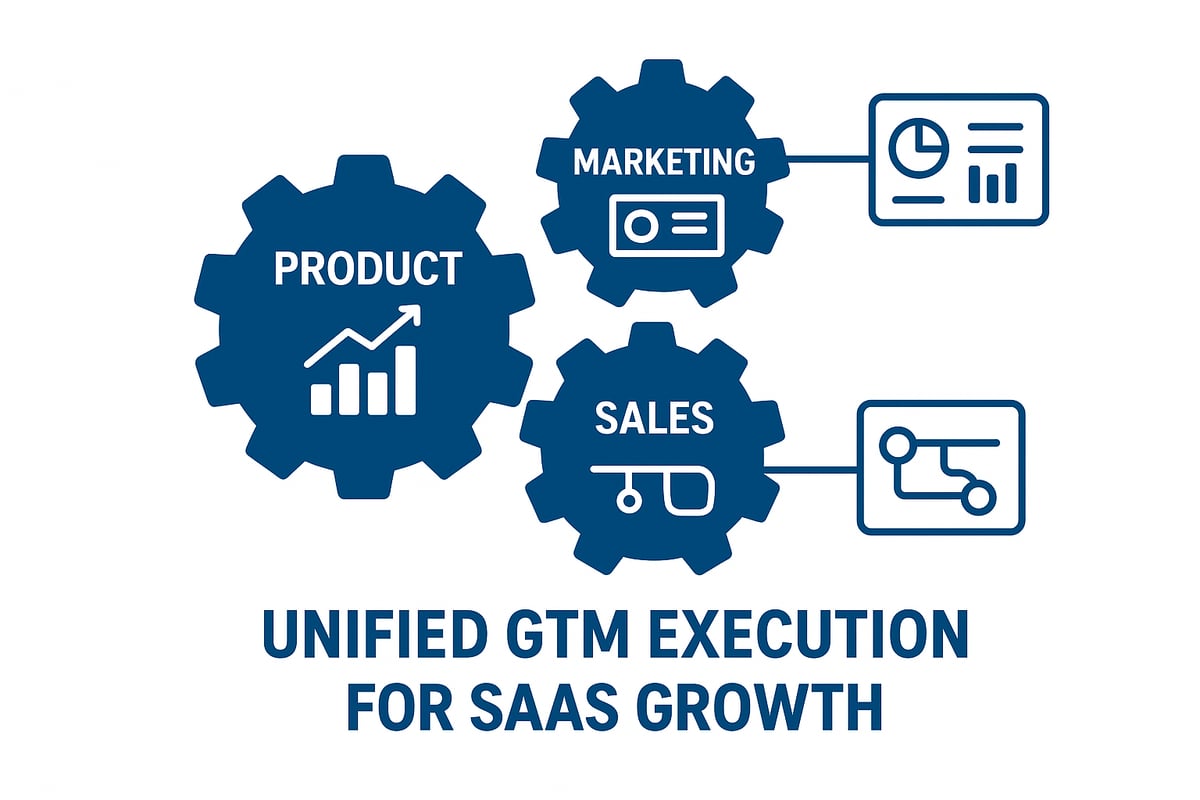
To scale saas successfully, every activity must tie directly to pipeline creation and ARR growth. Companies with unified GTM teams report up to 60 percent higher pipeline contribution. The secret is not just weekly syncs, but building shared dashboards, playbooks, and operational frameworks.
Here’s what happens when teams align:
- Joint agreement on ICP, value proposition, and activation metrics
- Real-time dashboards tracking pipeline and ARR impact
- Cross-functional reviews based on actual pipeline data
Consider this table:
| Misaligned Teams | Aligned Teams |
|---|---|
| Disconnected KPIs | Unified revenue goals |
| Wasted campaign spend | Focused GTM investments |
| Slow pipeline velocity | Faster deal cycles |
Want to see how top companies do it? Check out these Go-to-market strategy examples for actionable frameworks that help scale saas with precision.
Leveraging External GTM Expertise
Sometimes, internal efforts alone are not enough to scale saas efficiently. Engaging specialized GTM advisors can accelerate alignment and revenue impact. Advisors bring proven frameworks, help define market positioning, and create enablement content that drives clarity across functions.
Real-world SaaS startups have moved from product-problem fit to enterprise-grade, repeatable growth by tapping into external expertise. These partners often provide:
- Interim leadership for GTM transformation
- Operational dashboards tailored for DACH and US markets
- Playbooks for international expansion
The real benefit? Access to lessons learned from dozens of scale saas journeys, so you avoid costly missteps and move faster toward measurable growth.
Building a Self-Funding Growth Model
Scaling a SaaS company in 2026 is not just about raising capital—it's about building a growth engine that funds itself as it accelerates. Many founders rush to spend on marketing and sales, but the smartest leaders know that every dollar must drive measurable pipeline and ARR.
The “risk window” is the gap between your go-to-market investment and the moment revenue actually lands. To minimize this gap, you need a self-funding approach that balances capital efficiency with aggressive growth. What does this look like in practice?
- Run rapid experiments with demand generation channels, measuring what actually converts.
- Tighten your attribution models to understand which activities drive pipeline velocity.
- Refine your sales motions to shorten cycles and increase win rates.
- Reinvest early pipeline wins into scalable GTM programs.
A great example comes from EVP portfolio companies, where early customer wins are funneled directly back into sales and marketing—fueling a virtuous cycle of growth.
Metrics matter. Monitor both leading indicators like pipeline velocity and lagging ones such as retention and payback period. This is where Agentic AI becomes a game-changer, automating manual tasks and compressing sales cycles so your team can focus on high-impact work.
According to SaaStr, SaaS organizations with self-funding GTM models reach Series A 30% faster than peers. The real secret? Treat sales and marketing as growth engines, not cost centers. And remember, achieving true self-funding starts with nailing product-market fit for SaaS—the foundation for every scale saas journey.
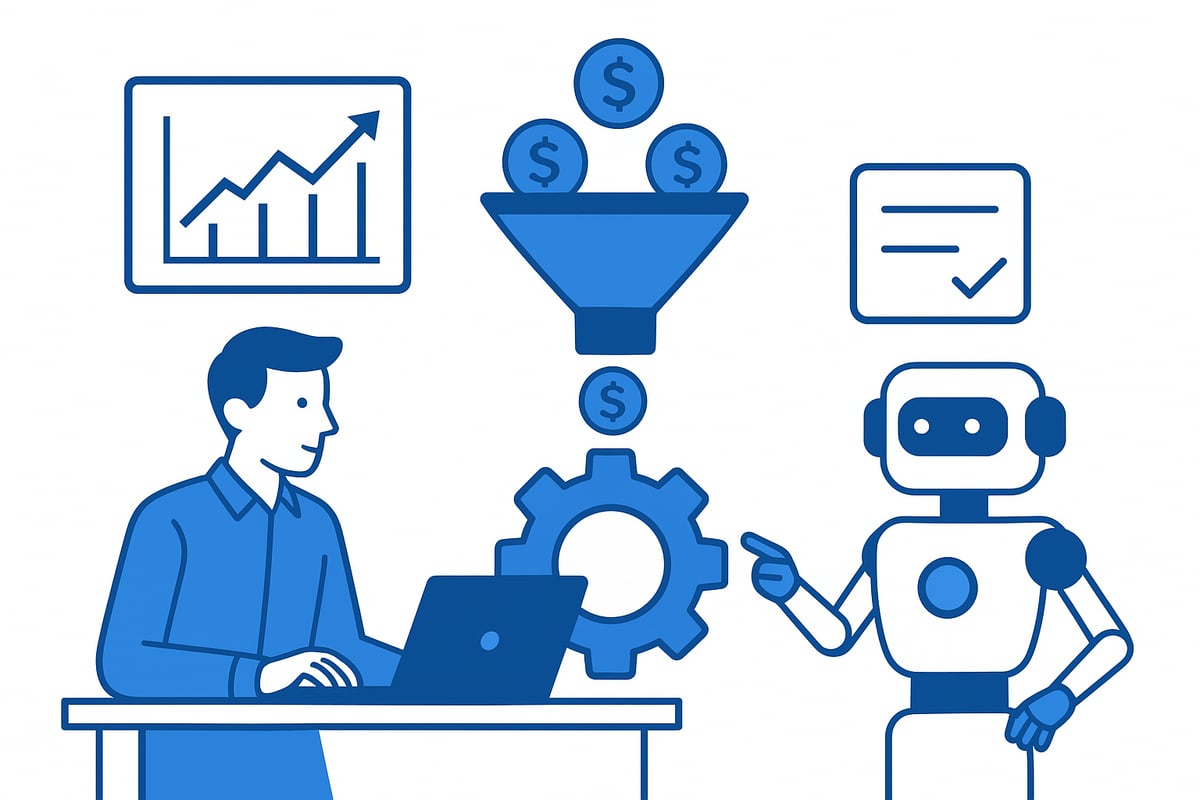
Workflow-Driven Expansion and Agentic AI Automation
In 2026, the most successful scale saas companies do not chase every logo—they expand by mapping, understanding, and serving customer workflows. This approach turns every customer touchpoint into a strategic opportunity for growth.
Expanding by Following the Workflow, Not Just Logos
Instead of only targeting big names, scale saas leaders dig deep into how their customers actually use their product. They:
- Map the customer workflow, finding pain points and moments of value.
- Use platforms like Deckard to track contract renewal data, so outreach is perfectly timed.
- Maintain dynamic databases of ICPs, vendor usage trends, and upcoming renewals.
- Deliver proof points and ROI even before a sales conversation begins.
This workflow-driven focus transforms expansion from a guessing game into a repeatable engine. By aligning product updates and sales timing to real customer needs, scale saas companies increase expansion ARR and retention rates.
Harnessing Agentic AI for Scalable Operations
Agentic AI is changing how scale saas companies operate. With Agentic Automation, teams can automate complex, multi-step workflows across sales, marketing, and customer success. Examples include:
- Automated lead qualification and hyper-personalized outreach.
- Predictive churn reduction and proactive engagement.
- AI-powered onboarding sequences that increase trial-to-paid conversions by up to 18 percent.
According to Agentic AI's Impact on SaaS Platforms, SaaS organizations using agentic AI see 40 percent faster deal cycles and 25 percent lower CAC. The winners in 2026 will be those who combine workflow-driven GTM strategy with intelligent automation to scale saas growth efficiently.
Creating Moats and Ensuring Sustainable Scale
Building a defensible moat is the difference between fleeting growth and lasting, enterprise-grade success in the scale saas space. As the market matures, it is not enough to simply win customers; you must make it difficult for competitors to lure them away.
Consider the most powerful SaaS moats:
- Switching Costs: Deep integrations with customer workflows increase the cost and risk of switching vendors.
- Proprietary Data: Platforms that aggregate unique usage or industry data become indispensable to their users.
- Embedded Process Power: SaaS woven into daily operations becomes the backbone of client productivity.
For example, companies that embed their product into billing, compliance, or core communication systems see retention and expansion rates climb. These platforms become so integral that customers hesitate to leave, fearing disruption.
Data-driven product development is another pillar of sustainable scale. By analyzing customer usage patterns, you can prioritize features that drive upsell and stickiness. This approach transforms customer feedback into a competitive advantage, continually sharpening your edge.
Customer advocacy acts as a flywheel. Strong reference programs, advisory boards, and community initiatives turn satisfied users into evangelists, reducing churn and fueling referrals. Actively engaging your top customers not only protects your base but also accelerates expansion.
Vigilance is key. Monitor for copycat competitors, and double down on innovation. Leverage insights from contract intelligence to time market entry and capitalize on renewal cycles. As highlighted in Scaling B2B SaaS with Generative AI, harnessing next-gen AI can create differentiation that is hard to replicate.
Here are the GTM metrics that matter most for scale saas:
| Metric | Why It Matters |
|---|---|
| NRR (Net Revenue Ret.) | Measures expansion and churn |
| Expansion ARR | Tracks upsell momentum |
| Gross Margin at Scale | Ensures profitability |
Sustainable scale comes from operational excellence, customer intimacy, and relentless innovation. The businesses that master these pillars in scale saas will not just survive, but thrive in 2026 and beyond.
If you’ve made it this far, you already know that scaling a SaaS company in 2026 is about more than just chasing growth—it’s about building something lasting, something that clicks across every part of your business. I’ve seen founders shift from scattered efforts to laser-focused momentum simply by aligning their teams and embracing data-driven decisions. If you’re ready to turn your product strategy into real, repeatable revenue—and want a partner who’s walked this path—let’s connect. Book your Personal Intro Call and let’s map out the next chapter of your SaaS growth story together.

Latest From
The Blog
Go To Market Strategy Consulting Guide For 2025 Success

Go To Market Strategy McKinsey Guide For Success 2025
.jpg)
Crossing the Enterprise Chasm: A Practical Guide to Sales-Led Growth (SLG)

Let's Build The Future Together
