
The Essential Guide to Messaging Strategies in 2026

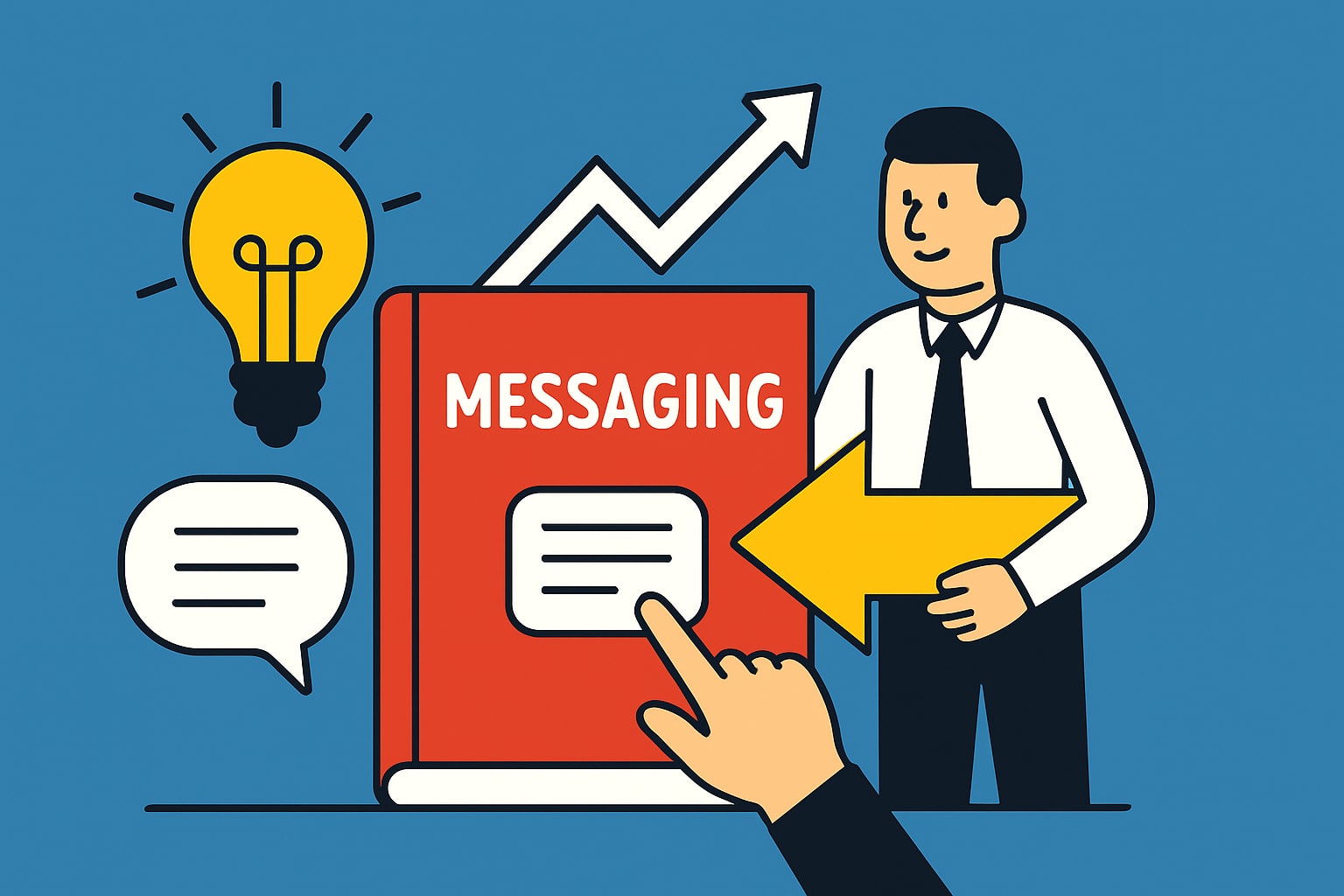


In 2026, the world of B2B SaaS and enterprise technology is changing fast. Artificial intelligence, especially Agentic AI, is transforming how companies connect with buyers. The stakes have never been higher, with messaging strategies now seen as essential drivers of pipeline growth and ARR.
Buyers expect more than generic outreach—they want experiences that are personal, relevant, and unified across every touchpoint. This means aligning product, marketing, and sales so every message tells the same growth story.
In this guide, you will discover actionable frameworks, real-world examples, and fresh tactics for crafting messaging strategies that win in a crowded market. We will explore the foundations of modern messaging, AI-powered automation, buyer-centric approaches, proof and positioning, and how to operationalize messaging for measurable growth.
Are you ready to unlock the future of messaging?
The Foundations of Modern Messaging Strategy
In 2026, messaging strategies are no longer static documents—they are living, evolving assets at the heart of every successful go-to-market motion. For B2B SaaS and enterprise tech, the convergence of product, marketing, and sales messaging creates a single, unified growth narrative. When teams speak the same language, pipeline accelerates and ARR grows.
The Pillars of Modern Messaging
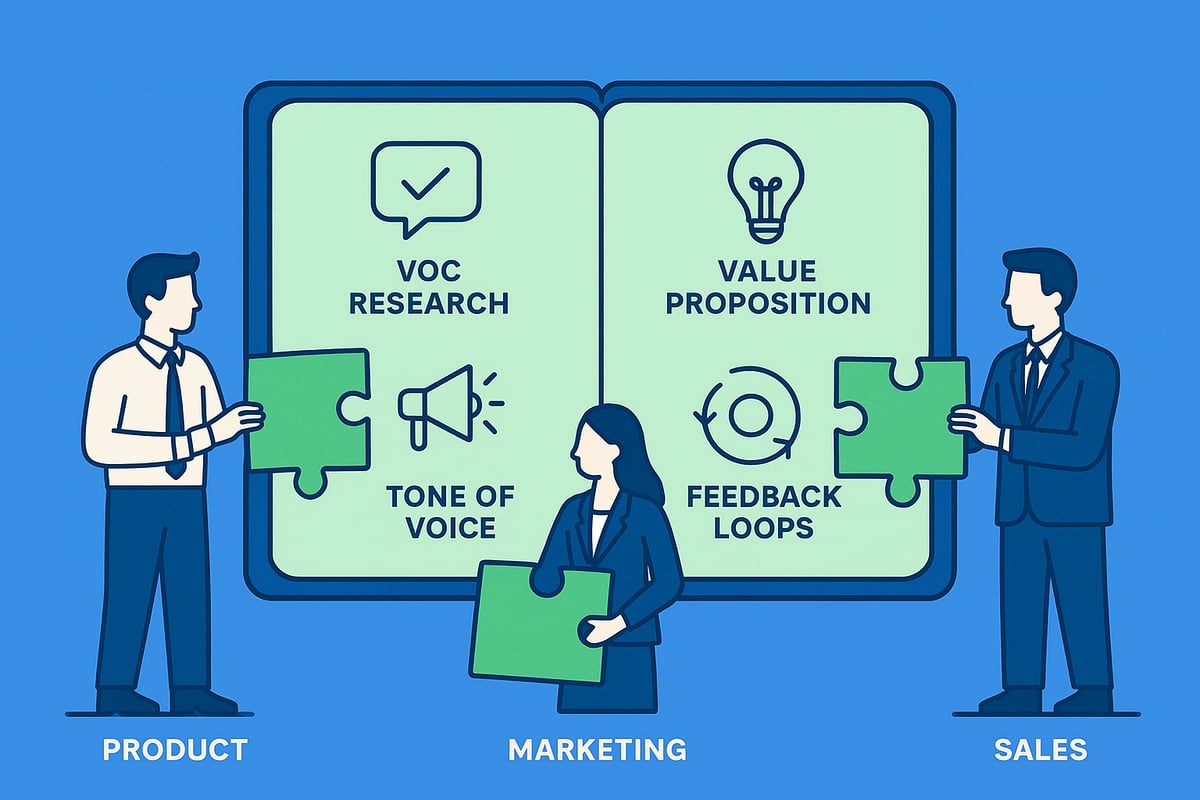
Effective messaging strategies are built on three foundational pillars:
- Voice of Customer (VOC) Research: Tap into real customer language using interviews, surveys, and AI-driven review mining. This grounds your message in reality and ensures relevance.
- Value Proposition Articulation: Clearly state why your solution matters. What unique benefit do you deliver? How do you solve real buyer pain?
- Consistent Tone of Voice: Establish a tone that reflects your brand’s personality, whether bold, reassuring, or innovative. Consistency builds trust and recognition.
For a detailed breakdown of these pillars, see Product messaging best practices.
Unified Messaging in Action
Consider Tesla. Their messaging strategies seamlessly align product innovation, brand promise, and customer expectations. By weaving together technical excellence and a bold vision for the future, they create a growth narrative that resonates from product launches to sales conversations.
| Pillar | Tesla Example |
|---|---|
| VOC Research | Customer feedback on EV performance |
| Value Proposition | "Accelerating the world to sustainable energy" |
| Tone of Voice | Confident, visionary, disruptive |
Messaging as a Living Asset
According to Copyhackers, consistent messaging increases revenue by 23%. Yet, messaging strategies cannot be set and forgotten. They must evolve based on real-time market and customer feedback. Internal alignment is critical—when teams operate in silos, messaging fragments, stalling pipeline and lengthening sales cycles.
A documented, accessible messaging playbook ensures every GTM team can execute with clarity and confidence. In 2026, winning organizations treat messaging strategies as strategic assets, refining them continually for maximum impact.
AI and Agentic Automation: Transforming Messaging in 2026
Artificial intelligence is rewriting the playbook for messaging strategies in 2026. Agentic AI, an advanced form of automation, enables B2B SaaS and enterprise marketers to analyze, adapt, and personalize messaging at levels never seen before. Instead of fixed scripts, teams can now deliver dynamic messages that evolve with every customer touchpoint.
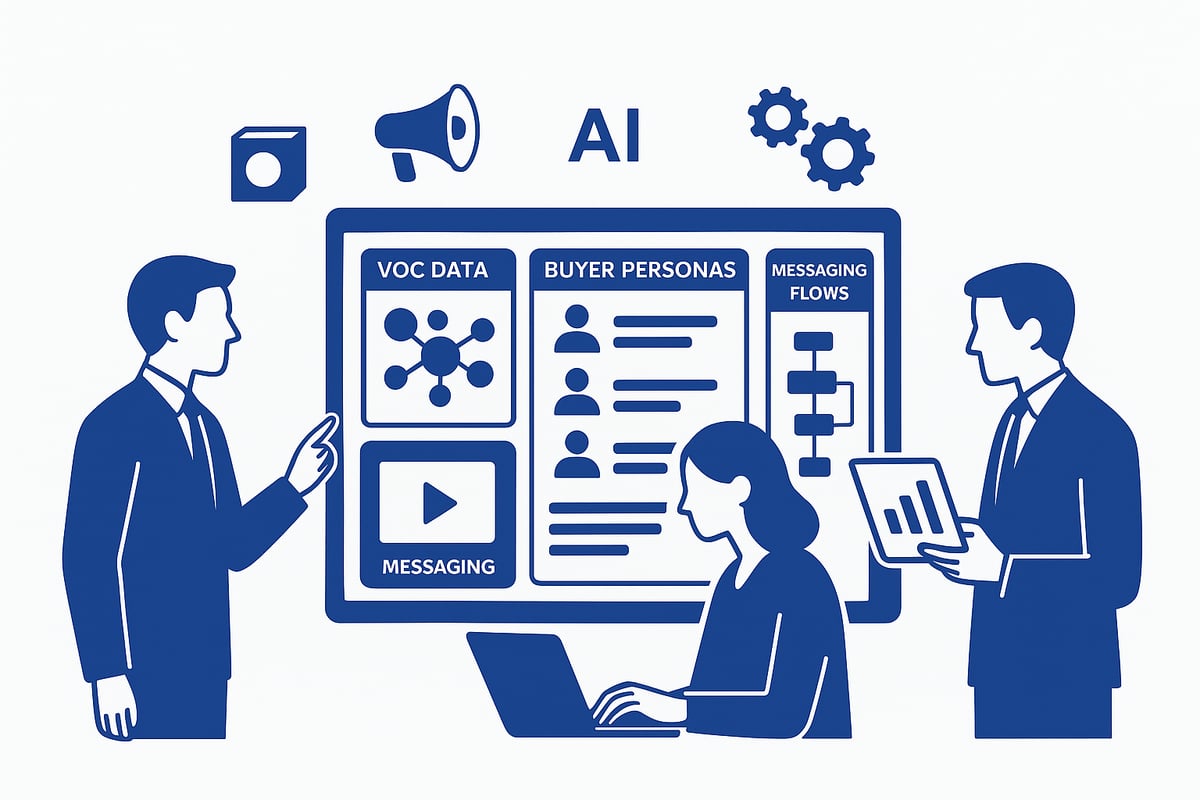
AI-driven tools are essential for modern go-to-market teams. Here’s how Agentic AI powers messaging strategies:
- Clusters and analyzes customer feedback using VOC data to uncover new insights.
- Segments audiences and automatically builds tailored buyer personas.
- Generates and tests personalized messaging for each stage of the buyer journey.
- Mines reviews and social proof to identify high-converting language.
- Provides real-time message optimization based on engagement and conversion data.
For example, leading SaaS companies use AI prompts and review mining to distill messaging that resonates deeply with specific buyer segments. By automating persona development and message sequencing, they can deliver the right story at the right moment.
According to Statista, 61% of B2B marketers now use AI to inform their messaging and content strategies in 2025. This shift allows for rapid experimentation and learning, with Agentic Automation supporting dynamic sequencing across channels.
The key is balance. Human creativity and intuition remain essential for differentiated, authentic messaging. AI brings efficiency, scalability, and the ability to personalize at scale. When these forces combine, teams can align product updates, marketing campaigns, and sales enablement for unified growth.
Want to see how AI-driven approaches are reshaping the landscape? Explore AI Strategies Transforming B2B Marketing for more on predictive UX, generative content, and tactical wins.
In 2026, the companies winning the pipeline race are those who treat messaging strategies as a living asset, powered by Agentic AI and refined by real customer data.
Buyer-Centric Messaging: From Persona to Personalization
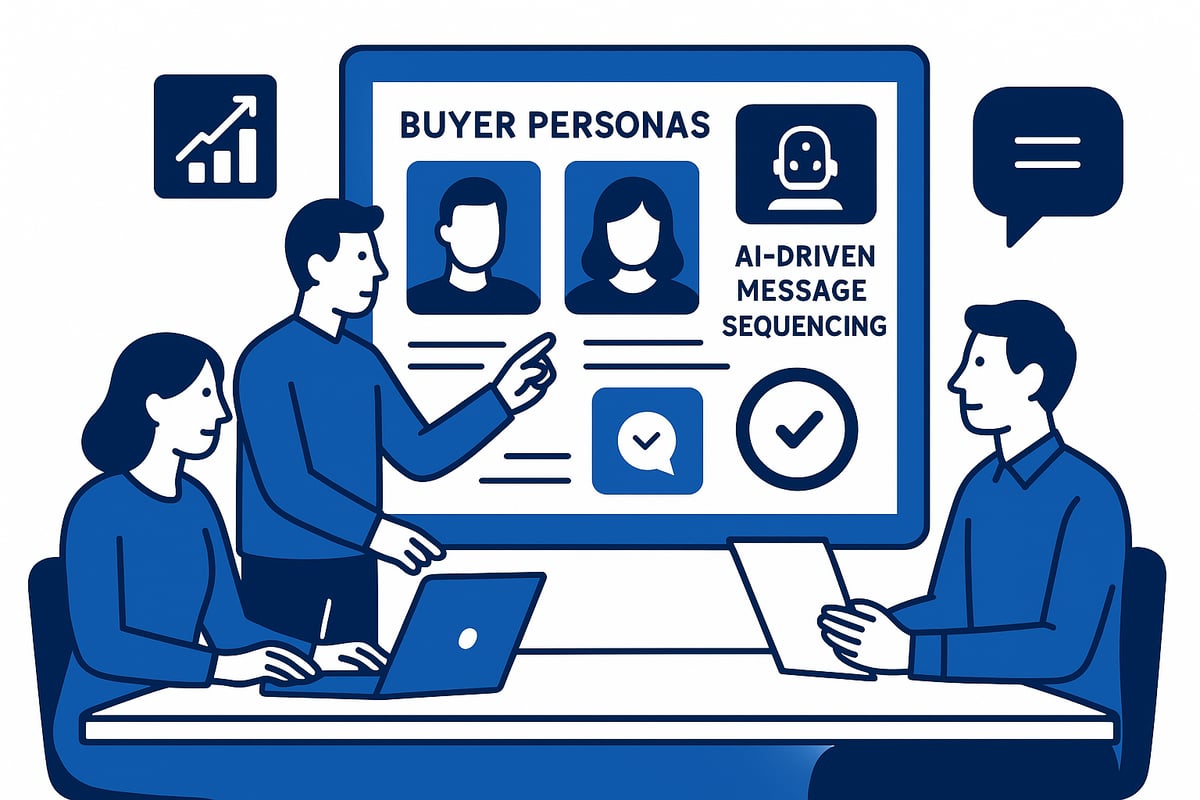
In 2026, the art of messaging strategies has transformed. Instead of relying on outdated, static personas, leading B2B SaaS teams now build dynamic, data-rich buyer profiles that reflect real-time changes in behavior and intent. Imagine shifting from a cardboard cutout to a living, breathing character—one who evolves as new data flows in and AI surfaces fresh insights.
The Evolution of Buyer Personas
Today, messaging strategies begin by understanding that no two buyers are truly alike. Agentic AI analyzes streams of VOC data, clustering buyers by decision-making style: spontaneous, humanistic, competitive, or methodical. For example, the “Services Stan” persona is logical and methodical, craving detailed proof, preferring datasheets over demos, and making decisions at a deliberate pace.
- Spontaneous: Acts on emotion, responds to bold claims.
- Humanistic: Values relationships, seeks stories and testimonials.
- Competitive: Wants to win, asks for benchmarks and results.
- Methodical: Needs evidence, requests in-depth documentation.
Mapping Messaging to Buyer Motivations
Effective messaging strategies map content formats and sequencing to these buyer types. For “Services Stan,” high-converting assets include:
- Detailed case studies
- Technical datasheets
- Step-by-step product demos
By tailoring message delivery to persona preferences, SaaS teams see pipeline velocity and conversion rates climb. Psychographic triggers—like urgency or trust—inform when and how each message lands, ensuring the right nudge at the right time.
Personalization at Scale: Data, Proof, and Feedback Loops
Personalization is not a buzzword, it’s a measurable lever for growth. According to Personalization Statistics in B2B Marketing, personalized messaging delivers 6x higher transaction rates. AI tools now trigger hyper-personalized nurture sequences based on real-time persona signals, closing the gap between marketing intent and sales action.
Continuous customer feedback loops, powered by AI, refine messaging strategies in-market. This living system ensures every touchpoint reflects what buyers value most, driving sustainable pipeline and ARR growth.
Proof, Positioning, and the Power of the Big Idea
In competitive B2B SaaS and enterprise tech, proof and positioning are the backbone of effective messaging strategies. Buyers are skeptical, overloaded with options, and demand credible evidence before they commit. That’s where a strong Unique Selling Proposition (USP) and robust proof points become mission-critical.
Let’s break down the essentials. Modern messaging strategies rely on social proof to build trust and move deals forward. Consider these tactics:
- Customer testimonials that highlight measurable business outcomes
- Case studies with before-and-after metrics
- Trust badges and third-party validations
- Data-backed results that show ROI and impact
For example, TOMS’ “shoes for moving forward” USP, paired with clear impact statistics, made their cause-driven messaging unforgettable. In enterprise software, Tesla’s focus on range and charging infrastructure sets them apart, creating a defensible position in a crowded market.
Brand positioning is not just about standing out—it’s about owning a unique space in your buyer’s mind. For a deeper dive, explore Positioning in marketing explained for actionable frameworks.
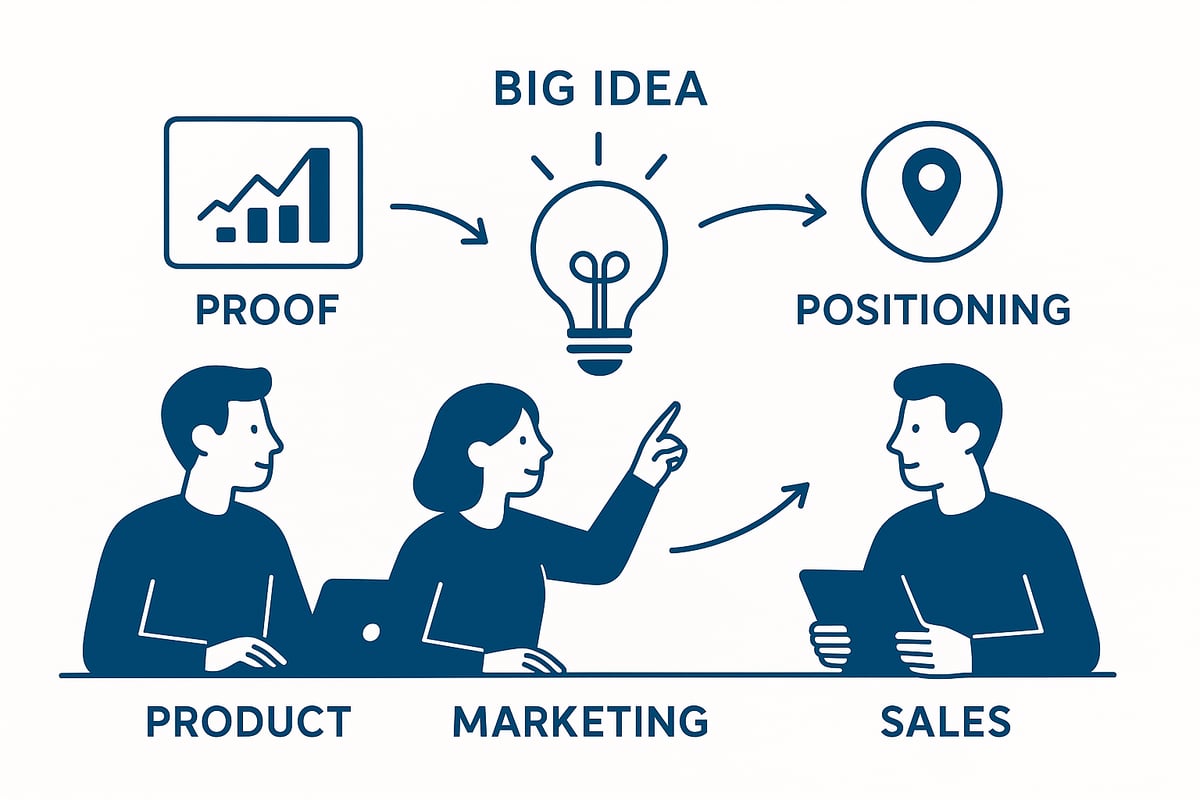
The secret sauce? The Big Idea. It’s a singular, curiosity-driven promise that hooks your audience and frames your value narrative. According to Demand Gen Report, 72% of buyers say credible proof is the top factor influencing purchase decisions. Integrating proof, positioning, and a bold Big Idea into your messaging strategies is how you create trust, clarity, and sustainable growth.
Operationalizing Messaging: From Strategy to Execution
Turning messaging strategies into daily action is where real growth happens. For B2B SaaS and enterprise tech teams, this means building a bridge between high-level plans and every touchpoint in the buyer journey. Alignment across product, marketing, and sales is not just ideal, it is essential for pipeline growth and ARR acceleration.
Teams that operationalize messaging strategies well use a toolkit built for scale and consistency:
- Enablement playbooks that ensure everyone speaks the same language
- Sales scripts and campaign briefs tailored to each segment and stage
- Operational dashboards tracking message performance, resonance, and conversion rates
- AI-driven tools for real-time feedback, A/B testing, and rapid iteration
For example, a SaaS company post-Series B rolled out a unified messaging framework across web, email, sales decks, and demos. By using Agentic AI to analyze buyer reactions and optimize content, they saw a measurable increase in deal velocity and win rates. Their enablement resources, combined with data from dashboards, helped every GTM team stay aligned and agile.
According to Forrester (2025), companies with documented messaging processes see sales cycles move 30% faster. This is why operationalizing messaging strategies demands a focus on accessibility and measurability. Tactics such as regular cross-team reviews, feedback loops, and content testing are now standard.
Want to see how to put these tactics into practice? Check out this in-depth guide on sales enablement content strategies for proven approaches that tie messaging to revenue outcomes.
Success in 2026 means treating messaging strategies as living assets. With AI and Agentic Automation, your GTM execution becomes smarter, more responsive, and tightly linked to business goals. Continual refinement is not optional—it is the engine of sustainable growth.
We’ve seen how messaging isn’t just about the words you choose—it’s about the story you’re telling at every stage, from product to pipeline to real results. If you’re like the founders and growth leaders I work with, you know that getting everyone on the same page can feel like herding cats. The good news is, you don’t have to do it alone. If you’re ready to see how a unified, data driven approach can transform your revenue story in 2026, let’s chat about next steps. Book Your Personal Intro Call

Latest From
The Blog
Go To Market Strategy Consulting Guide For 2025 Success

Go To Market Strategy McKinsey Guide For Success 2025
.jpg)
Crossing the Enterprise Chasm: A Practical Guide to Sales-Led Growth (SLG)

Let's Build The Future Together
