
The Essential Guide to Identifying the Gap in Marketing 2025

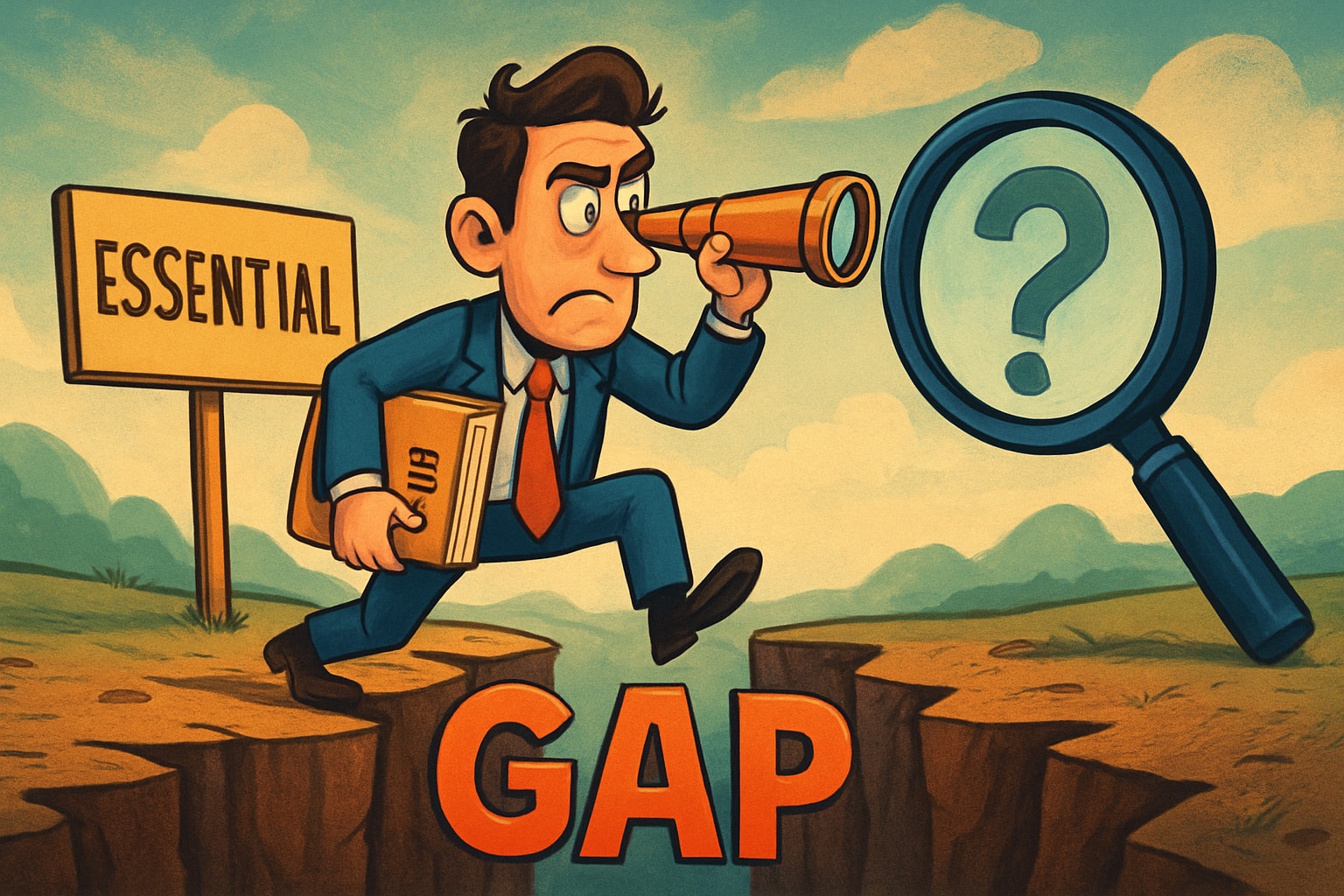


In 2025, the gap in marketing can make or break even the most ambitious B2B SaaS growth plans. The stakes are higher than ever, with enterprise buyers expecting seamless, personalized journeys and fierce competition pushing companies to adapt faster. Just one overlooked gap in marketing—be it misaligned messaging, fragmented data, or missed automation—can stall pipeline growth and threaten your ARR goals.
This guide is your playbook for systematically spotting and closing every gap in marketing. You will discover what defines a gap in today’s landscape, why it is urgent to act, and how frameworks powered by Agentic AI and automation are changing the game. Expect actionable strategies, real-world stories, and a path to sustainable growth that aligns product, marketing, and sales into a unified force.
Ready to future-proof your go-to-market engine? Dive in, assess your own strengths and blind spots, and learn how closing each gap in marketing can unlock your next wave of competitive advantage.
Understanding the Gap in Marketing: 2025 Perspective
In 2025, the gap in marketing has become a critical factor for B2B SaaS success. At its core, this gap represents the disconnect between what customers expect and what they actually experience across every touchpoint. As AI-driven buyer journeys and channel fragmentation accelerate, identifying and closing these gaps is more urgent than ever.
The five-gap model—knowledge, policy, delivery, communication, and customer—serves as a powerful lens for B2B SaaS teams. For example, 81% of customers now expect personalized experiences, and 70% want businesses to remember their past interactions. According to AI-driven personalization in B2B marketing, advanced AI is raising the bar for what buyers consider “personal.” Companies that fail to bridge the gap in marketing risk losing pipeline, facing higher churn, and falling behind on ARR growth.
Consider a SaaS provider missing out on upmarket deals due to messaging that fails to resonate with enterprise buyers. This illustrates the real cost of ignoring the gap in marketing. The shift from product-led to unified growth means marketing, sales, and product must align tightly, using data to close gaps and deliver a seamless, value-driven journey.
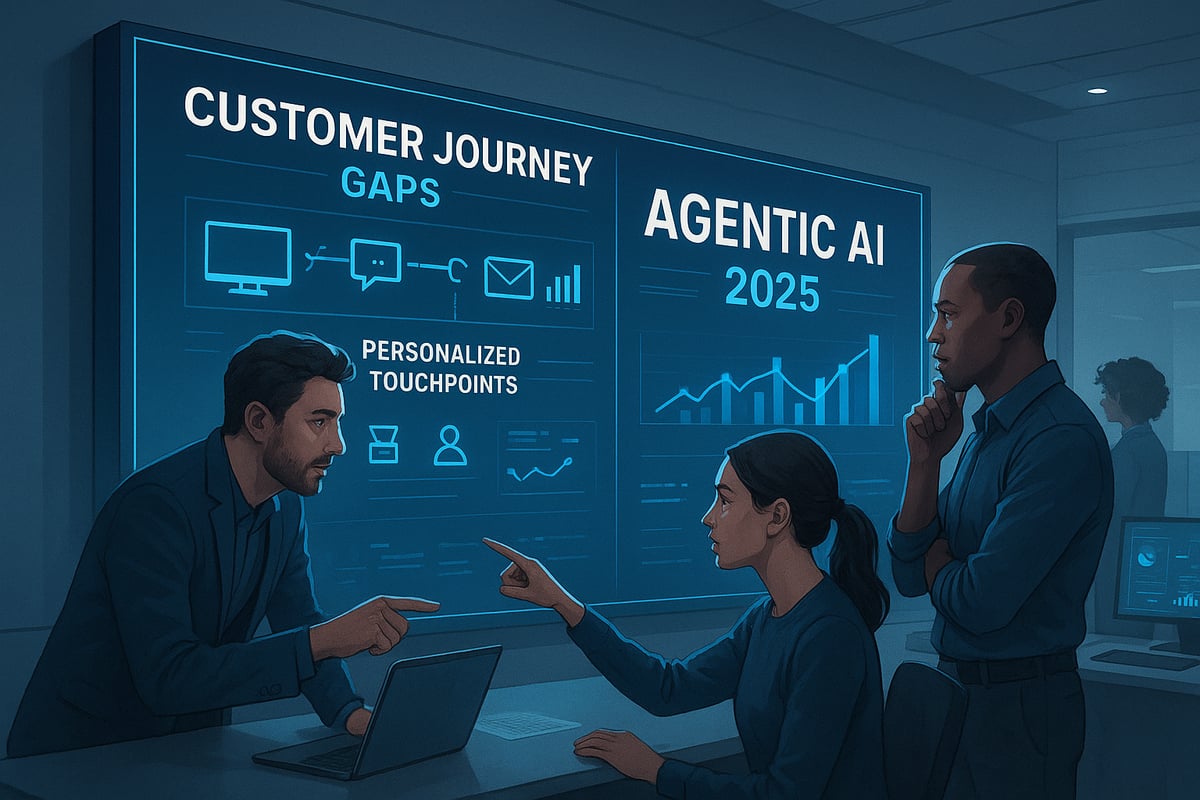
Common Gaps in B2B SaaS Marketing Strategies
Identifying the gap in marketing is crucial for B2B SaaS growth in 2025. As digital channels and buyer journeys become increasingly complex, even the most innovative teams can stumble without a systematic approach to closing these gaps. Understanding where disconnects occur is the first step toward building a unified, high-performing go-to-market function.

Knowledge Gap: Misunderstanding Buyer Needs
A common gap in marketing emerges when teams fail to capture authentic customer pain points and triggers. Product managers may assume demand for features without direct validation, leading to misaligned messaging and missed opportunities.
- Campaigns miss the mark and conversions drop.
- Budgets are wasted targeting irrelevant segments.
- Growth stalls as customers turn to competitors.
For deeper insights on where B2B SaaS teams stumble in lead generation, see B2B SaaS lead generation gaps.
Policy & Process Gap: Misaligned Internal Standards
Misalignment between marketing, sales, and product creates another gap in marketing strategy. Teams often chase different KPIs, such as MQLs versus SQLs, with no unified success metric.
- Leads fall through the cracks due to poor handoffs.
- Pipeline reporting lacks consistency.
- ARR growth becomes unpredictable.
A shared playbook and clear goals are essential to close this gap in marketing.
Technology & Data Gap: Siloed Systems and Analytics
SaaS companies often struggle with outdated MarTech stacks, scattered data, and weak integrations. This gap in marketing is amplified when AI or Agentic Automation is underutilized, limiting personalization and lead scoring.
- CRMs and marketing automation tools fail to sync.
- Teams miss crucial follow-ups.
- Data-driven decisions are delayed or inaccurate.
Modernizing infrastructure and leveraging Agentic AI can help bridge this divide.
Customer Experience Gap: Omnichannel and Personalization Failures
When messaging is inconsistent across channels, and journeys lack personalization, the gap in marketing widens. B2B buyers expect seamless, tailored experiences at every touchpoint.
- 81% of buyers will switch vendors after poor experiences.
- Disjointed interactions erode trust and stall deals.
- Upmarket opportunities are lost to better-aligned competitors.
Addressing these gaps is the foundation for sustainable growth and market leadership.
Proven Frameworks for Gap Analysis and Market Alignment
Understanding the gap in marketing starts with proven frameworks that help SaaS leaders pinpoint where disconnects occur along the customer journey. Let’s explore three essential approaches shaping growth in 2025.
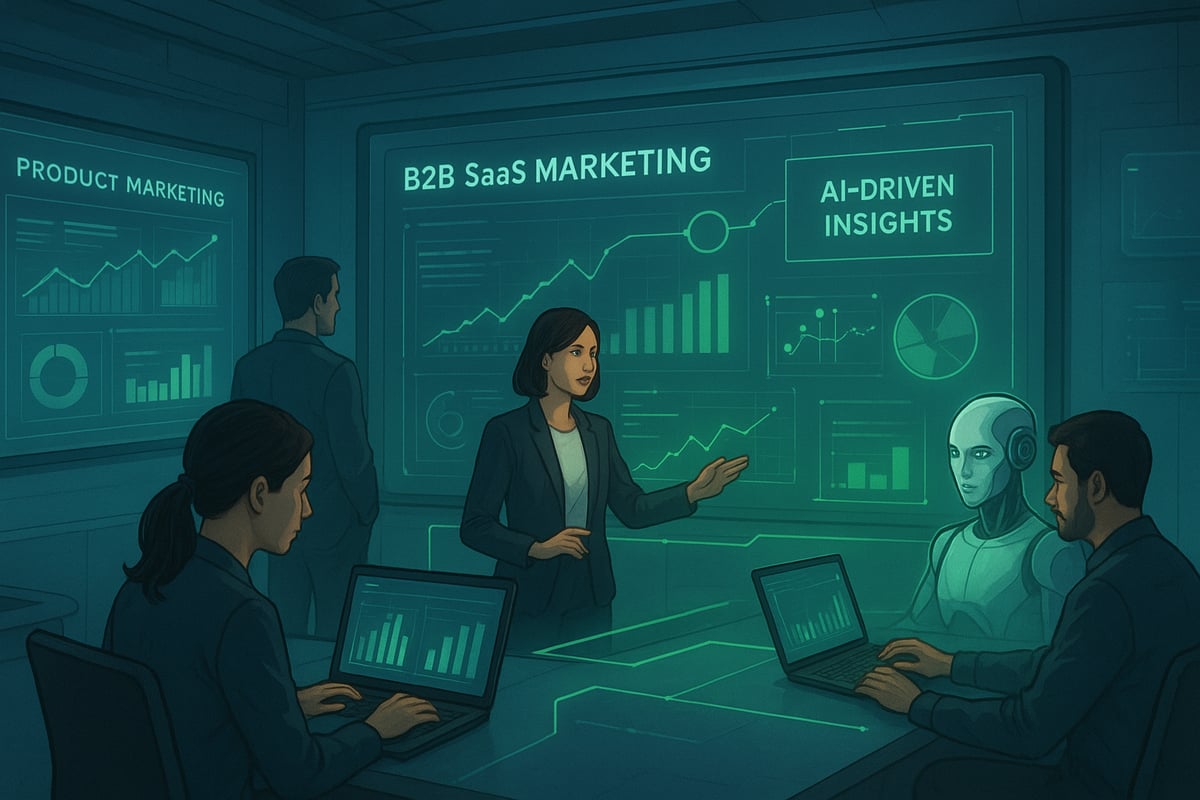
The Gap Model of Service Quality in Modern B2B SaaS
The five-gap model is a classic framework for diagnosing the gap in marketing. It examines knowledge, policy, delivery, communication, and customer gaps.
In B2B SaaS, this model uncovers misalignments at every stage, from initial outreach to renewal. For example, a delivery gap often appears during onboarding, where friction and unclear processes drive up churn. By mapping each gap, SaaS teams can proactively close disconnects before they impact revenue.
Data-Driven Go-To-Market (GTM) Alignment
Market leaders now treat product, marketing, and sales as a unified growth engine. This shift hinges on shared dashboards tracking pipeline, ARR, and enablement metrics in real time.
One SaaS company realigned its GTM teams and saw pipeline contribution soar by 60 percent. For a deeper dive into how aligning go-to-market teams can close critical marketing and sales gaps, see Aligning go-to-market teams.
Consistent alignment ensures every function supports the same revenue goals, reducing missed opportunities and accelerating growth.
Leveraging AI and Agentic Automation for Gap Detection
Agentic AI is transforming gap in marketing analysis. These intelligent systems highlight hidden disconnects using predictive analytics and automate workflows to close gaps quickly.
Imagine AI agents spotting underperforming segments or content in real time, then suggesting or even executing corrective actions. Companies using AI-driven analysis consistently outperform peers in campaign ROI and pipeline velocity, making Agentic Automation a must-have for modern SaaS teams.
Step-by-Step Process: Identifying and Closing Marketing Gaps in 2025
Pinpointing and closing the gap in marketing is no longer a one-off project, but a continuous, data-driven journey. Here’s a proven process to help B2B SaaS teams uncover hidden disconnects, align for growth, and achieve real business outcomes.
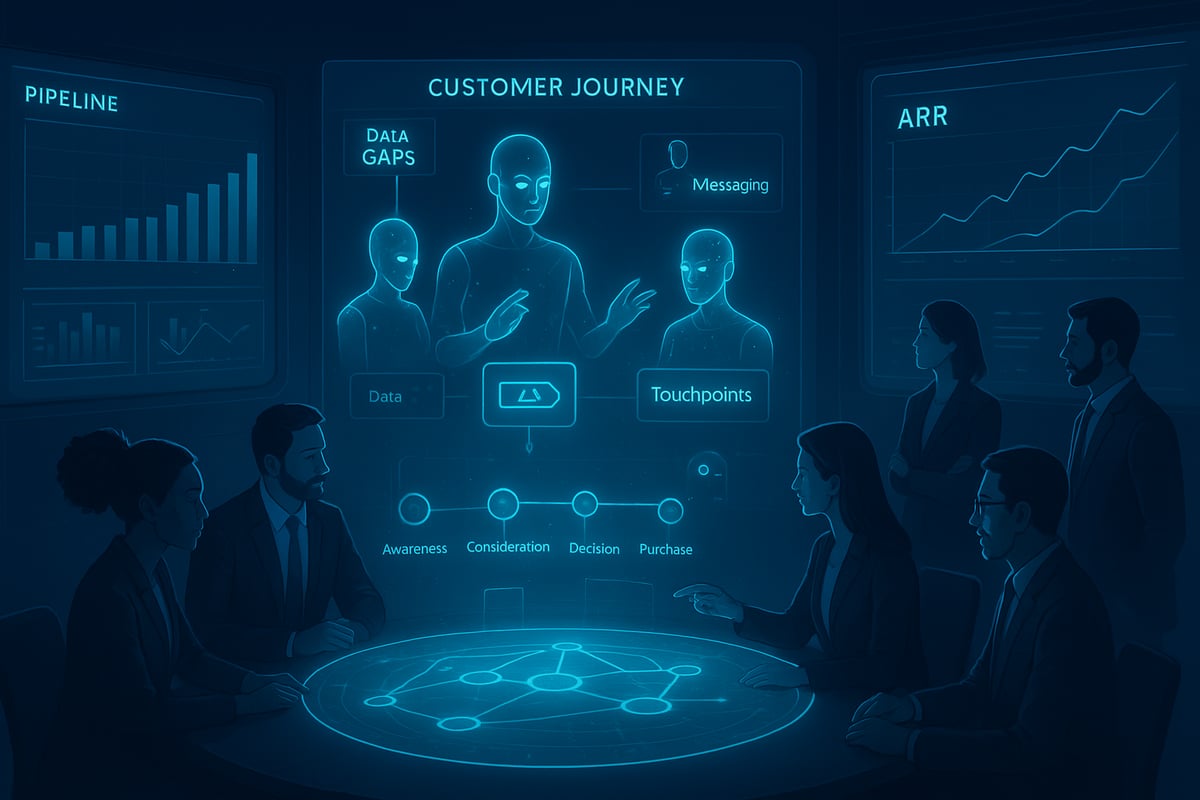
Step 1: Map the Entire Customer Journey
Start by mapping every customer touchpoint, from initial awareness to post-sale renewal. Visualize where expectations and reality split, like onboarding delays or inconsistent messaging. When you map the journey, you can see exactly where the gap in marketing starts to form.
- List every digital and human interaction.
- Interview customers to validate their experience.
- Highlight stages with the highest drop-off or friction.
Step 2: Align Internal Teams and KPIs
True growth comes from cross-functional unity. Make sure product, marketing, and sales all work toward shared goals, like pipeline contribution or ARR expansion. This step prevents the classic misalignment that derails even the best go-to-market plans. For deeper insights, see Why go-to-market strategies fail.
- Create joint enablement playbooks.
- Set up regular alignment meetings.
- Use dashboards to monitor progress.
Step 3: Audit Technology and Data Infrastructure
Evaluate your MarTech stack for integration and automation gaps. A disconnected CRM or outdated analytics platform can stall GTM momentum. Prioritize AI-driven and Agentic Automation tools to surface real-time insights and streamline workflows.
- Map data flows between systems.
- Identify areas for automation.
- Test AI tools for segmentation and lead scoring.
Step 4: Analyze Content and Messaging Gaps
Review all messaging and assets to ensure they address real buyer pain points. Use interviews and analytics to find where your story falls flat. Map content to each stage of the journey and fill in missing pieces with targeted, personalized assets.
- Audit emails, ads, and in-app messages.
- Gather feedback from both customers and sales.
- Tailor content for each account segment.
Step 5: Test, Measure, and Iterate
Run experiments to close each identified gap in marketing. Track the impact on pipeline velocity, conversion, and customer satisfaction. Use Agentic AI for continuous optimization, ensuring your strategy evolves with market demands.
- Set clear test hypotheses.
- Monitor key growth metrics.
- Adjust quickly based on real-time data.
By following this process, B2B SaaS leaders can transform gap identification into a competitive advantage, fueling sustainable growth and market leadership.
The Role of AI and Agentic Automation in Modern Marketing Gap Analysis
Imagine a world where your marketing engine never sleeps. Agentic AI, a new breed of intelligent automation, is redefining how B2B SaaS leaders tackle the gap in marketing. These AI agents act like tireless team members, continuously scanning your go-to-market efforts to spot disconnects between customer expectations and actual experiences.
Agentic Automation powers several breakthroughs:
- Real-time gap detection across the entire buyer journey, from initial outreach to renewal
- Automated orchestration of campaigns, ensuring consistent messaging and personalization at scale
- AI-driven lead nurturing sequences that adapt instantly as buyer signals change
For example, an enterprise software team deployed Agentic AI to monitor lead engagement. The AI autonomously identified drop-offs in onboarding emails, then revised content and timing, reducing churn and boosting pipeline velocity. According to Thrive (2025), companies using advanced AI report up to 190% more engagement.
However, leveraging AI to close the gap in marketing brings challenges. Teams must ensure high-quality data, foster a culture of change, and invest in training. When done right, Agentic Automation transforms gap analysis into a continuous, embedded process—fueling alignment between product, marketing, and sales and driving measurable ARR growth.
To learn more about how AI is elevating B2B marketing, explore AI's role in B2B marketing success.
Real-World Examples and Case Studies: Closing the Gap for Growth
In 2025, the gap in marketing is not just a theory but a driver of real, measurable results for B2B SaaS leaders. Let’s look at how top companies are tackling these gaps and winning in highly competitive markets.
Example 1: Series B SaaS GTM Realignment
A fast-growing Series B SaaS company faced a gap in marketing as product, marketing, and sales teams were siloed. By unifying GTM KPIs and launching shared enablement playbooks, they saw a 300% surge in qualified lead generation within six months.
Example 2: Enterprise Software Provider and Agentic AI
An enterprise software leader identified a persistent gap in marketing segmentation. By deploying Agentic AI for real-time account scoring and personalized outreach, pipeline grew by 25%. According to AI's impact on B2B SaaS marketing strategies, companies leveraging Agentic Automation consistently outperform peers in pipeline velocity.
Example 3: Startup Reducing Onboarding Churn
A SaaS startup used journey mapping to spotlight the most critical gap in marketing: onboarding friction. By redesigning touchpoints and automating follow-ups, they dropped onboarding churn by 40% in one quarter.
Lessons Learned and Best Practices
Successful companies closing the gap in marketing share these traits:
- Executive buy-in for cross-functional GTM alignment
- Continuous feedback loops with customers and teams
- Agile execution and rapid iteration using frameworks like those in product marketing strategy frameworks
Ongoing gap identification is now a competitive differentiator, driving growth and market leadership.
We’ve explored how missing even a single gap in your marketing can mean lost deals, stalled growth, or wasted effort—especially with all the shifts coming in 2025. If you’re wondering where your own strategy stands or how to get every team moving in sync, you’re not alone. I’ve seen founders and GTM leaders transform their revenue trajectory just by uncovering the right insight at the right moment. If you’re ready to turn your product vision into measurable growth—and want a seasoned guide by your side—let’s connect. Book Your Personal Intro Call and start closing your most critical gaps today.

Latest From
The Blog
Go To Market Strategy Consulting Guide For 2025 Success

Go To Market Strategy McKinsey Guide For Success 2025
.jpg)
Crossing the Enterprise Chasm: A Practical Guide to Sales-Led Growth (SLG)

Let's Build The Future Together
