
The Essential Guide to Product Marketing in 2026

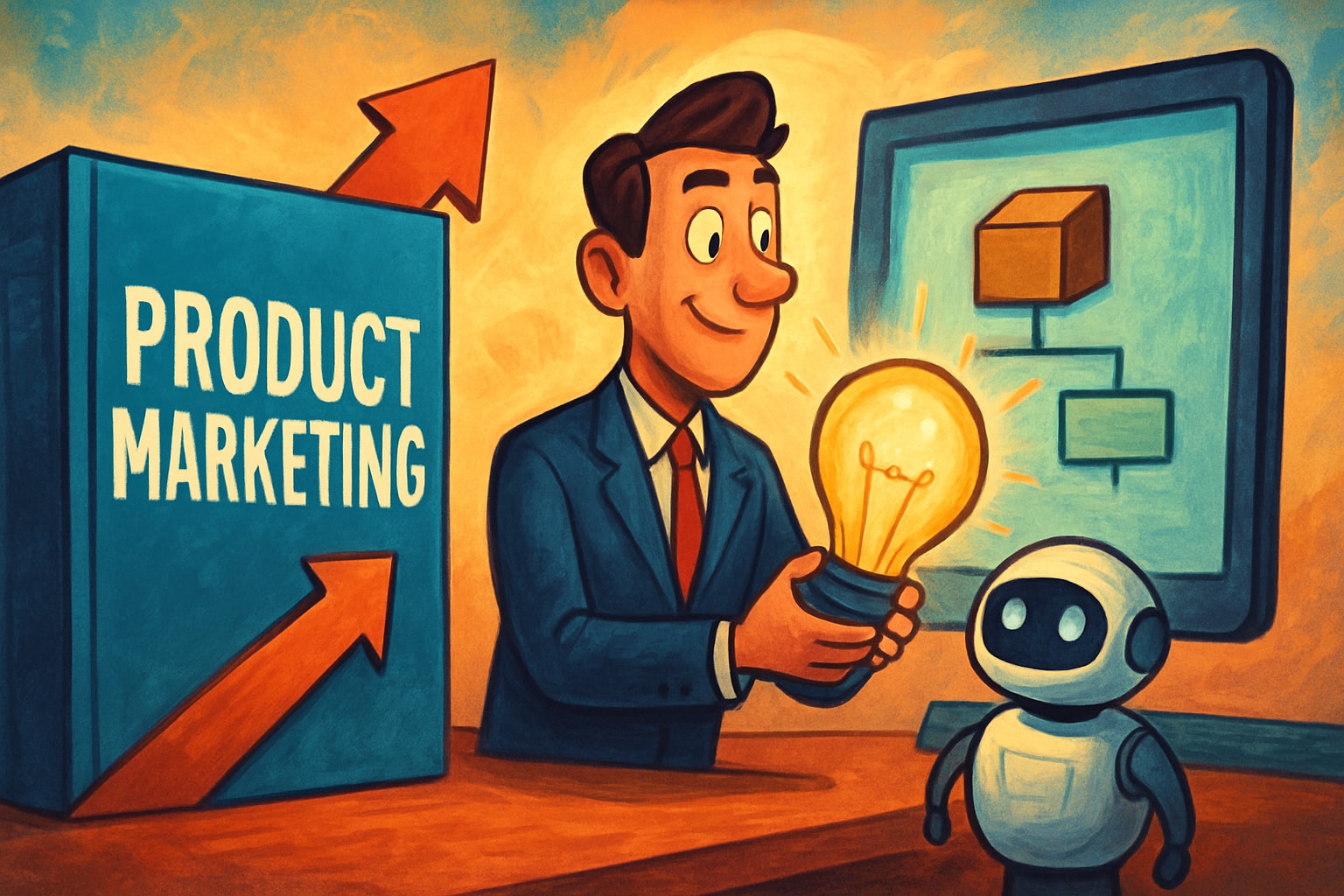


Are you ready for the seismic shift in product marketing coming in 2026? AI-driven automation and unified go-to-market strategies are rewriting the rules for B2B SaaS and enterprise leaders.
This essential guide will show you how product marketing now powers end-to-end growth, from market fit to pipeline velocity. Discover the frameworks, Agentic AI technologies, and GTM playbooks that high-performing teams use to stay ahead.
We will explore the evolution of product marketing, the rise of Agentic AI, strategies for team alignment, and how to measure what truly matters. Let’s dive in and unlock the future of scalable, data-driven growth.
The Evolution of Product Marketing: 2026 and Beyond
Not long ago, product marketing was seen mostly as crafting clever messages and highlighting features. By 2026, that world is gone. Now, product marketing drives end-to-end revenue, shaping the entire customer journey rather than just telling stories.
Agentic AI is at the center of this evolution. These intelligent agents deliver real-time insights, automate campaign execution, and enable marketers to react instantly as markets shift. Salesforce’s AI-powered orchestration is a prime example, seamlessly connecting data, messaging, and analytics to accelerate growth.
Today’s product marketer is no longer just a storyteller. Instead, they act as strategic growth architects, using frameworks like the Product Marketing Alliance’s five-stage model—discover, strategize, define, get set, grow—to build unified go-to-market strategies. For a deeper dive, explore these product marketing strategy frameworks that are reshaping the industry.
Alignment is no longer optional. In B2B SaaS and enterprise software, uniting product, marketing, and sales teams is essential for pipeline velocity and differentiated positioning. Over 70% of high-growth SaaS companies now embed product marketing into their go-to-market planning, according to Product Marketing Alliance data.
Ultimately, product marketing is the linchpin for market fit, sustainable differentiation, and measurable pipeline impact in 2026. The organizations that master this shift are the ones poised to lead the next era of growth.

Agentic AI and Automation: The New Product Marketing Engine
Agentic AI is transforming how product marketing teams operate in B2B SaaS and enterprise software. No longer just about automation, these intelligent agents are now driving growth, optimizing campaigns, and delivering results at scale.

What Is Agentic AI and Why Does It Matter?
Agentic AI refers to autonomous, goal-driven agents that handle marketing tasks end to end, freeing human teams to focus on strategy and creativity. In product marketing, this means AI agents can analyze data, segment audiences, and execute campaigns without manual intervention.
The impact is profound. Agentic AI enables:
- Hyper-personalization at every touchpoint
- Real-time campaign optimization
- Scalable customer engagement across channels
For example, Salesforce’s Agentforce uses agentic automation to handle segmentation, messaging, and analytics, delivering measurable pipeline results. According to Salesforce, 60 percent of B2B marketers plan to deploy agentic automation by 2026. To learn more about how this technology is reshaping marketing, see Agentic AI's Impact on Marketing.
Key Use Cases for Product Marketers
Agentic AI is unlocking new possibilities for product marketing teams, making it easier to scale and personalize every aspect of the go-to-market process.
Key use cases include:
- Automated persona research and real-time audience segmentation
- Dynamic content creation and delivery across multiple channels
- Predictive analytics for churn, upsell, and cross-sell opportunities
- Orchestrating complex product launches with cross-team coordination
By integrating agentic AI into product marketing, teams can anticipate market shifts, respond instantly to customer needs, and ensure a unified experience from discovery to purchase.
Building an AI-First Product Marketing Stack
An effective product marketing stack in 2026 is powered by AI-driven tools and seamless integrations. The essentials include:
- AI-powered CRMs that centralize customer data
- Agentic workflow platforms for campaign execution
- Advanced analytics engines for real-time insights
Best practices involve integrating these tools to support collaboration across product, marketing, and sales. Tableau Next, for instance, empowers marketers to visualize and act on data instantly, fueling faster GTM execution.
A robust AI-first stack ensures product marketing teams can adapt quickly, drive pipeline growth, and deliver measurable business outcomes.
Aligning Product, Marketing, and Sales: The Unified Growth Function
In 2026, B2B SaaS growth depends on one critical shift: uniting product, marketing, and sales into a single force. Silos are fading as companies realize that only a unified growth function can deliver the speed and clarity needed for market leadership. This alignment is no longer optional—it is the foundation of measurable success.
Breaking Down Silos for Pipeline Impact
The days of disconnected teams are over. Product marketing now drives impact by fostering deep collaboration between product, marketing, and sales. Shared revenue goals replace isolated KPIs, keeping everyone focused on pipeline and ARR.
Consider the results: SaaS companies with strong alignment report 25% faster revenue growth. Tools like cross-functional dashboards and joint planning sessions make this possible. For a deeper dive into practical steps, see Go-to-market team alignment.
What makes this alignment work? It is about trust, transparency, and a shared vision. When product marketing leads the charge, teams move faster and win together.
Data-Driven Execution Frameworks
Modern product marketing is powered by data at every turn. Unified dashboards connect every activity—lead generation, sales enablement, product launches—to pipeline and ARR in real time. This clarity transforms how teams execute.
Companies deploying these frameworks see up to 60% higher marketing attribution accuracy. Playbooks guide each step, ensuring consistency and rapid feedback. AI-driven dashboards surface insights that once took weeks to uncover.
Here is a quick comparison table:
| Before Alignment | After Alignment |
|---|---|
| Siloed KPIs | Shared revenue targets |
| Slow attribution | Real-time pipeline tracking |
| Manual reporting | Automated AI dashboards |
By embedding product marketing at the core, organizations unlock speed, precision, and accountability.
How GTM Consult Accelerates B2B SaaS Growth
GTM Consult specializes in transforming B2B SaaS teams into unified growth engines. They align product, marketing, and sales with:
- Strategic market positioning
- Enablement playbooks tailored to each function
- Operational dashboards that quantify pipeline impact
Clients see measurable results: +60% pipeline contribution, +300% lead generation, and +25% pipeline growth. Engagements are flexible—retainer, project, or interim leadership—so teams of any size can benefit.
When product marketing is empowered by expert partners and agentic AI, growth is not just a goal, it is a repeatable outcome.
Go-to-Market Strategy in 2026: Steps to Success
A successful go-to-market strategy in 2026 is more than a checklist—it’s a living, data-driven process led by product marketing teams who use Agentic AI to power growth. Here are the five steps every B2B SaaS and enterprise leader should master.

Step 1: Market and Customer Intelligence
Start by empowering product marketing with agentic AI for real-time market analysis and competitor tracking. Dynamic personas are now built from live data feeds, not static profiles. Teams gain a sharper understanding of shifting customer needs and opportunities, enabling smarter, faster decisions.
Step 2: Positioning and Messaging
Develop differentiated value propositions using AI-driven insights. Test and refine messaging across every channel for maximum resonance. For actionable strategies, see these Positioning and messaging best practices. Stand out by aligning your narrative with what customers value most.
Step 3: Cross-Functional GTM Planning
Align product, marketing, and sales on unified launch goals and KPIs. Use shared dashboards for transparency and to drive accountability across teams. This collaborative approach ensures everyone pulls in the same direction, accelerating pipeline and revenue impact.
Step 4: Execution with Agentic Automation
Automate campaign orchestration, lead scoring, and follow-up with agentic AI. Product marketing can now schedule demos and deliver personalized nurture streams at scale, freeing teams to focus on strategy. This automation boosts efficiency and ensures no opportunity is missed.
Step 5: Measurement and Continuous Optimization
Track pipeline, ARR, and engagement in real time with AI analytics. Rapid iteration and GTM refinement are standard practice. Product marketing leaders drive ongoing improvement, tying every activity directly to revenue outcomes and ensuring every effort moves the needle.
Measuring What Matters: Pipeline, ARR, and Attribution in 2026
The way product marketing teams measure success in 2026 is unrecognizable compared to just a few years ago. Gone are the days when vanity metrics like clicks and impressions defined performance. Today, leaders focus on metrics that directly impact revenue and growth.
What matters now?
- Pipeline creation and velocity
- Annual recurring revenue (ARR)
- Marketing-sourced deals
- Accurate attribution models
| Old Metrics | Modern Metrics |
|---|---|
| Page views | Pipeline contribution |
| Social followers | ARR growth |
| Email opens | Sales velocity |
Agentic AI and automation have become the backbone of measurement. These technologies connect every marketing action to revenue outcomes. For example, CRM analytics platforms like Salesforce and Tableau track pipeline and ARR in real time, giving product marketing leaders the insights they need to pivot fast.
Attribution frameworks have also matured. Now, every campaign, touchpoint, and channel is mapped to revenue. According to Salesforce, organizations with advanced revenue attribution frameworks grow 30% faster than their peers.
Continuous measurement is not just a best practice—it is the difference between leading and lagging in B2B SaaS. For more on how AI and new frameworks are shaping the future, see B2B SaaS Marketing Trends 2026.
Ultimately, product marketing in 2026 is judged by one thing: its ability to prove impact on pipeline and ARR, driving agile, data-driven go-to-market success.
Future-Proofing Your Product Marketing Organization
Tomorrow’s product marketing organizations will thrive only if they embrace change and lead with curiosity. The winners are those who foster a culture where experimentation and rapid learning are not just encouraged but expected.
To future-proof your product marketing team, consider these critical steps:
- Empower experimentation: Make data-driven decisions routine. Encourage teams to test new strategies and measure results quickly.
- Upskill in AI and automation: Equip marketers with hands-on training in agentic AI, automation, and go-to-market orchestration. Programs from Product Marketing Alliance offer certifications that keep skills sharp.
- Invest in scalable tech stacks: Adopt platforms that support agentic automation and seamless collaboration. This ensures you can pivot fast as new opportunities arise.
- Align for growth: Break down silos between product, marketing, and sales. Unified teams adapt faster and drive measurable pipeline growth.
- Leverage actionable frameworks: Explore B2B SaaS marketing tactics to stay ahead with proven, real-world approaches.
In this new era, product marketing leaders who prioritize adaptability, invest in agentic AI, and measure every outcome will set the standard for SaaS and enterprise success.
We’ve just journeyed through the future of product marketing together—where agentic AI, unified teams, and measurable impact aren’t just trends, but table stakes. If you’re picturing your own startup’s story unfolding in 2026, maybe you’re wondering how to actually put these strategies into motion. I’ve seen founders and growth leaders like you turn uncertainty into momentum by taking that first step toward alignment and clarity. If you’re ready to explore how GTM Consult can help you write your next growth chapter, let’s talk. Book Your Personal Intro Call and let’s make your vision a reality.

Latest From
The Blog
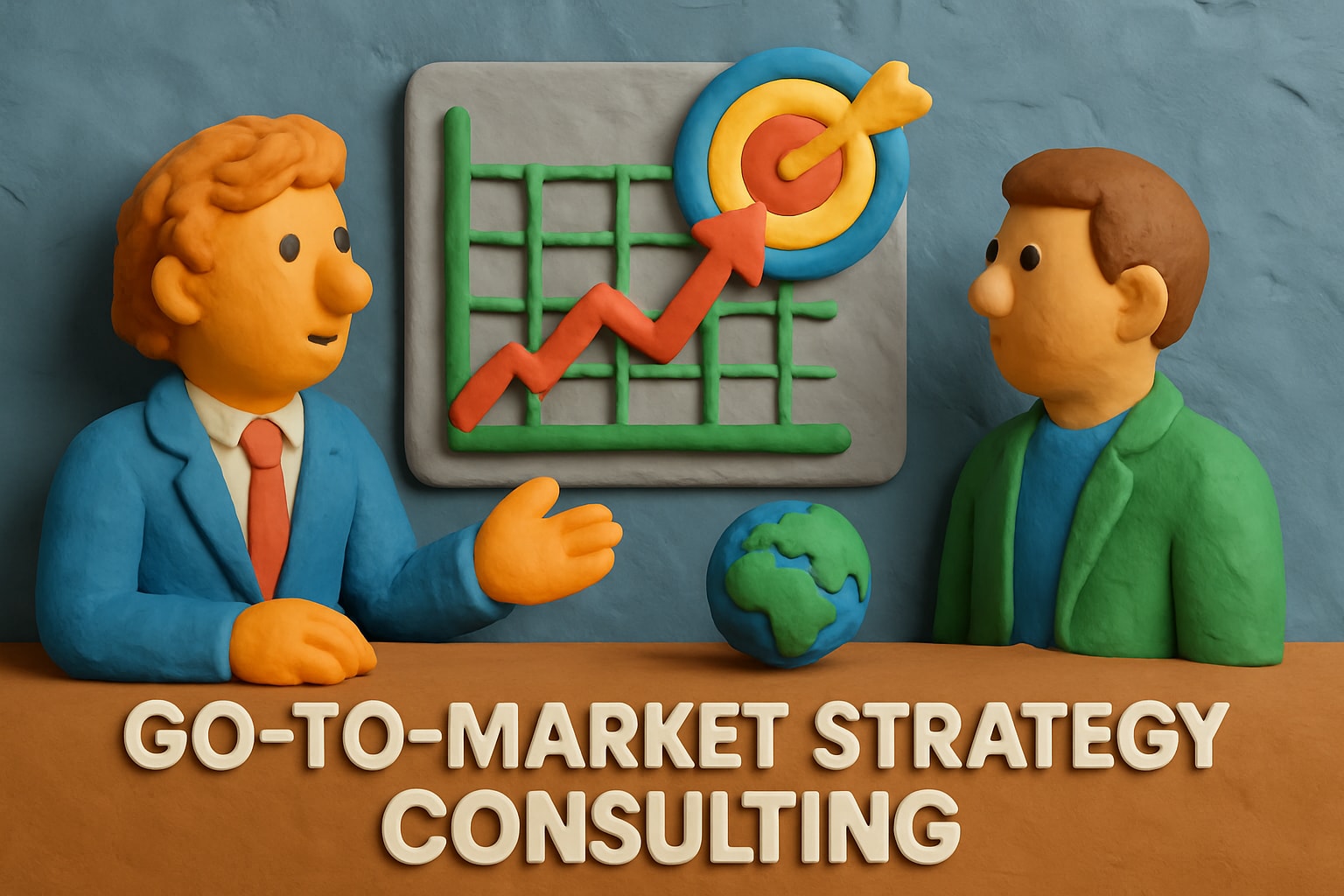
Go To Market Strategy Consulting Guide For 2025 Success

Go To Market Strategy McKinsey Guide For Success 2025
.jpg)
Crossing the Enterprise Chasm: A Practical Guide to Sales-Led Growth (SLG)

Let's Build The Future Together
