
Sales of Product Guide: Strategies for Success in 2025

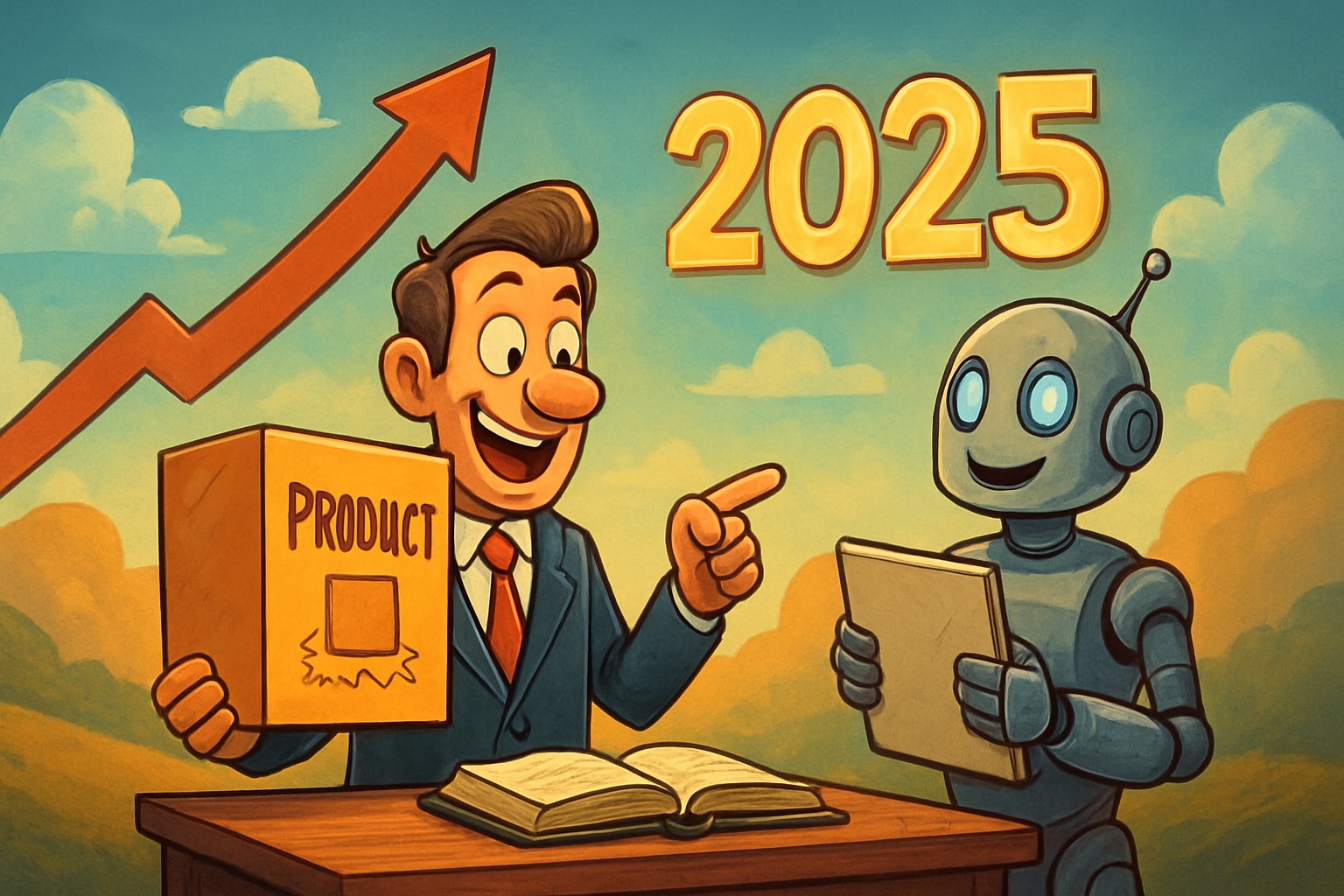


The sales of product landscape is changing faster than ever as we move into 2025. AI, automation, and shifting buyer expectations are rewriting the rules, forcing businesses to rethink how they connect with customers.
Rising customer acquisition costs and fierce competition are pushing companies to evolve their go-to-market strategies. No longer can teams operate in silos. The organizations seeing outsized growth are those uniting product, marketing, and sales functions around a shared vision.
This guide is designed for leaders ready to thrive in the new era of sales of product. You’ll find actionable strategies, step-by-step frameworks, and real-world examples, all grounded in the latest data and best practices.
Discover how to build a resilient, scalable sales operation by bringing your teams together, adopting Agentic AI, and staying ahead of the curve. We’ll explore the evolving sales environment, proven strategies, the impact of Agentic AI, cross-functional alignment, key metrics, and expert insights for 2025.
The Evolving Landscape of Product Sales in 2025
The sales of product landscape in 2025 is transforming at breakneck speed. Companies are moving away from old-school, sales-led tactics and embracing product-led and hybrid go-to-market models. This shift is driven by buyers who crave smoother, more transparent experiences and want to discover value on their own terms.
Customer acquisition costs have surged by 55% over the past five years, squeezing margins and forcing organizations to rethink their strategies. The rise of self-serve and product trial experiences, especially in B2B SaaS, is reshaping the sales of product approach. Brands like Zendesk, Unbounce, and Basecamp have thrived by letting users test-drive solutions before committing. User experience and rapid value realization are now non-negotiable, with companies like Grammarly, Slack, and Dropbox scaling fast thanks to this mindset. For deeper insights, explore these Product-Led Growth Strategies for 2025.
Agentic AI and automation are becoming essential allies in shortening sales cycles and personalizing buyer journeys. These technologies help teams qualify leads, automate routine tasks, and deliver targeted outreach at scale. Yet, challenges remain: market saturation, longer decision processes, and ever-higher buyer expectations. The winners in 2025 will be those who pair agility with data-driven execution, blending cutting-edge tech with authentic human expertise.

Step-by-Step Strategies for Sales Success
Achieving standout sales of product in 2025 means mastering a disciplined, data-driven approach. Let’s break down the four essential steps that can help your SaaS or enterprise sales team build momentum, deliver value, and outperform the competition.

Step 1: Define Your Ideal Customer Profile (ICP) and Value Proposition
Start by mapping your sales of product strategy to the right audience. Use advanced segmentation to pinpoint high-value accounts, focusing on those with the strongest pain points your product solves.
Align your product’s standout features to specific customer outcomes. Craft messaging that resonates with buyer needs, and revisit it regularly as the market evolves.
For example, SaaS companies often deploy targeted product bundles and upgrade offers to attract niche segments. The strongest sales of product strategies always prioritize user experience and value realization above all.
- Use data analytics to refine your ICP.
- Map features to pain points.
- Tailor messaging to each segment.
Step 2: Build a Unified Go-To-Market (GTM) Function
Breaking down silos is vital for sustainable sales of product growth. Unify your product, marketing, and sales teams by setting shared KPIs that focus on pipeline and ARR acceleration.
Host regular cross-functional meetings and centralize enablement resources. Adopt frameworks that ensure everyone is aligned to GTM objectives, such as operational dashboards and sales enablement playbooks.
For actionable inspiration, check out these go-to-market strategy examples to see how leading SaaS firms orchestrate unified execution.
- Integrate teams for GTM focus.
- Share KPIs and dashboards.
- Enable collaboration with playbooks.
Step 3: Leverage Agentic AI and Automation
Agentic AI is revolutionizing the sales of product process. Integrate AI-driven solutions for lead scoring, personalized outreach, and workflow automation.
Automate repetitive tasks, freeing your team to focus on high-value conversations. Use predictive analytics for pricing and upselling, creating a smarter, more agile sales funnel.
SaaS firms leveraging Agentic AI report faster sales cycles and higher win rates. In 2025, Agentic Automation is not just a tool, it is a competitive edge.
- Use AI for smarter lead scoring.
- Automate workflows for efficiency.
- Optimize pricing with analytics.
Step 4: Create Customer-Centric Sales Experiences
Bridge the gap between perceived and actual value by offering free trials, demos, or samples. Reward loyal customers with tailored programs that boost retention.
Personalize every touchpoint, from onboarding to ongoing support, using behavioral data. Identify friction points in the sales funnel and address them quickly.
Companies like Basecamp and Proposify have thrived by championing customer experience over old-school sales tactics. Make your customers the hero of every sales journey.
- Provide hands-on product experiences.
- Launch loyalty and rewards programs.
- Personalize communication and support.
Agentic AI and Automation: The New Sales Force Multiplier
Agentic AI is transforming the sales of product by introducing autonomous, continuously learning systems that work alongside your team. In 2025, these intelligent agents handle complex tasks, adapt in real-time, and orchestrate personalized buyer journeys across every channel.
Core Capabilities of Agentic AI in Sales:
- Autonomous lead scoring and qualification
- Multi-channel engagement with context-aware messaging
- Continuous learning from every buyer interaction
- Real-time pipeline forecasting and deal progression insights
Agentic Automation accelerates every stage of the sales cycle. B2B SaaS organizations now use Agentic AI to identify high-intent leads, automate routine outreach, and optimize pricing or upsell opportunities. Companies deploying these advanced tools report up to 25% faster sales cycles, outpacing competitors who rely on legacy processes.
For example, Oracle's AI Agents for Sales Professionals showcase how Agentic AI can amplify sales teams by automating research, scheduling, and follow-ups, freeing reps to focus on closing deals and building relationships.
Best Practices for Integrating Agentic AI:
- Augment, do not replace, your sales team’s expertise
- Prioritize high-quality, well-structured data for training
- Establish ethical guidelines and transparent decision-making
- Invest in change management to drive adoption and trust
Looking Ahead: Agentic AI stands as the new sales force multiplier, forming the foundation of resilient, scalable organizations. Those who blend technology with human insight will lead the next era of B2B growth.

Aligning Product, Marketing, and Sales for Scalable Revenue
Imagine a SaaS team struggling to break into the enterprise market. The sales of product stall, not from lack of effort, but from teams working in silos. When product, marketing, and sales finally unite under one go-to-market vision, growth accelerates.
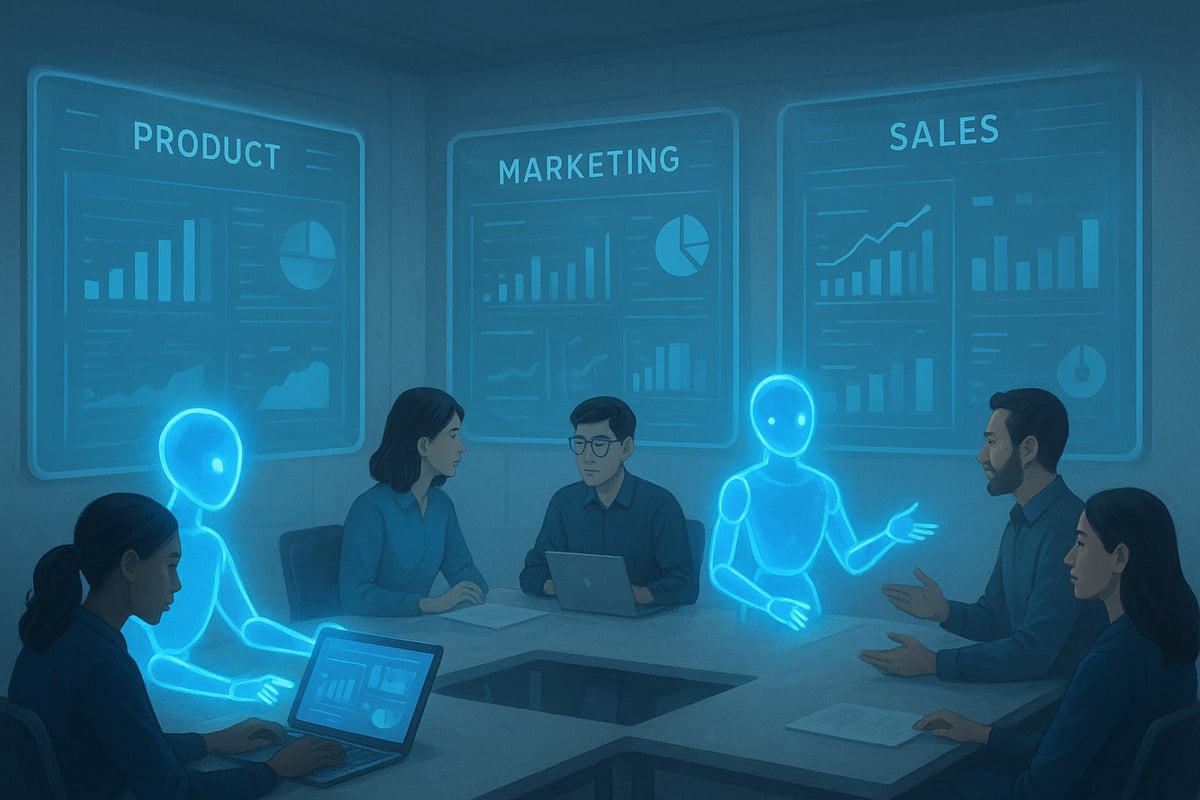
What drives scalable revenue in the sales of product? It’s a blend of shared goals, integrated workflows, and real-time analytics. Teams that adopt operational dashboards, feedback loops, and sales enablement playbooks see measurable improvements.
| Alignment Step | Impact on Sales of Product |
|---|---|
| Shared KPIs | Unified focus on pipeline & ARR |
| Real-time data sharing | Faster decision-making |
| Enablement content | Improved objection handling |
| Agentic AI automation | Higher pipeline velocity |
Agentic AI transforms how teams qualify leads, nurture accounts, and forecast pipeline. By automating routine tasks and surfacing actionable insights, Agentic Automation frees sales reps to focus on high-impact activities.
SaaS leaders who prioritize product marketing strategy insights often bridge the gap between product features and buyer needs, ensuring the sales of product becomes a repeatable, scalable engine. The most successful organizations are those who align deeply, execute with data, and adapt quickly to market shifts.
Measuring Success: Key Metrics and Continuous Optimization
In 2025, measuring the right metrics is the foundation for scaling any sales of product strategy. Teams that thrive use data not just to report, but to adapt in real time.
Key metrics to track include:
- Pipeline velocity to monitor deal flow
- Annual recurring revenue (ARR)
- Customer acquisition cost (CAC)
- Lifetime value (LTV)
- Conversion rates at every funnel stage
- Product adoption and user activation
Leading and lagging indicators both matter. AI-powered analytics, especially Agentic AI, help spot growth opportunities and bottlenecks before they impact results. For example, product-led businesses often track first-use activation and retention rates, since studies show 40 to 60 percent of users drop off after their initial experience.
Continuous optimization is essential. Top teams run A B tests, build feedback loops, and iterate sales processes quickly. Using insights from B2B SaaS lead generation tactics can further refine your approach and close the value gap.
The future of sales of product lies in data-driven decision making and relentless improvement. Teams that measure, learn, and adapt will lead the market.
Expert Perspectives and Future Trends in Product Sales
The future of sales of product is being shaped by rapid innovation and shifting buyer demands. Experts predict a strong convergence between product-led and sales-led models, especially in B2B SaaS and enterprise software. As organizations strive to deliver value faster, hybrid go-to-market teams are emerging, blending expertise from sales, product, and data science.
Agentic AI is playing an increasingly vital role in sales of product, enabling hyper-personalized engagement and scalable automation. However, according to Gartner's Agentic AI Project Cancellation Forecast, over 40 percent of agentic AI projects may face cancellation by 2027, underscoring the need for strategic planning and ethical implementation.
Buyers now expect transparency, seamless self-serve options, and immediate value realization. Companies must balance automation with the human touch, ensuring data integrity while adapting to constant market shifts.
Industry leaders advise investing in team alignment, AI adoption, and ongoing skill development to stay ahead. The winners in 2025 will be those who adapt quickly, align teams deeply, and execute their sales of product strategy with data-driven precision.
As you’ve seen throughout this guide, aligning your product, marketing, and sales teams isn’t just a strategy for 2025—it’s the foundation for real, lasting growth. Imagine your team, empowered by Agentic AI, sharing a clear vision, and moving as one toward ambitious revenue goals. If you’re ready to break down silos, boost your pipeline, and see firsthand how a unified approach can transform your business, let’s talk. I’d love to hear your story and explore how we can help you build that next chapter. Book Your Personal Intro Call

Latest From
The Blog
Go To Market Strategy Consulting Guide For 2025 Success

Go To Market Strategy McKinsey Guide For Success 2025
.jpg)
Crossing the Enterprise Chasm: A Practical Guide to Sales-Led Growth (SLG)

Let's Build The Future Together
