
Team Growth Guide: Strategies for Success in 2026




In 2026, the secret behind every thriving B2B SaaS company is clear: high-performing teams that master team growth. Yet, many organizations still hit roadblocks when trying to scale teams in a way that is both sustainable and measurable.
This guide is your roadmap to mastering team growth, offering proven, data-driven strategies that unify product, marketing, and sales into a single, powerful go-to-market engine. Whether you're a founder, GTM leader, or part of a revenue team, you’ll discover frameworks to drive alignment, leverage the latest in Agentic AI, and unlock new levels of agility.
Here’s what you’ll learn:
- The modern fundamentals and challenges of team growth
- Why cross-functional alignment is the #1 predictor of success
- How Agentic AI is transforming go-to-market strategies
- Step-by-step strategies for building high-performance teams in 2026
- How to measure, optimize, and scale for ARR and pipeline impact
Ready to future-proof your team and drive real business outcomes? Let’s dive into the strategies that will shape tomorrow’s growth leaders.
Understanding Modern Team Growth: Foundations and Challenges
In B2B SaaS, team growth means more than just hiring quickly or expanding headcount. It is about building agile, cross-functional squads that align product, marketing, and sales to drive measurable business results. Traditional approaches focused on scaling isolated departments, but today’s competitive landscape demands a modern team growth mindset.
Modern growth teams break down silos and operate as unified engines for pipeline and ARR. Instead of handoffs, these teams collaborate daily, using shared data and rapid experimentation to fuel success. According to Mixpanel’s insights on growth team structure in SaaS, high-performing companies now build squads with engineers, analysts, and marketers working side by side.
Common barriers to effective team growth include:
- Misaligned KPIs across functions
- Lack of integrated data and reporting
- Resistance to process or technology change
Data from SiriusDecisions shows that organizations with aligned revenue teams see up to 19 percent faster revenue growth. This alignment is crucial for adapting to shifting markets and customer needs.
Agility, experimentation, and customer-centricity are now core principles. Leading SaaS firms have restructured their teams to accelerate product-market fit and maximize ARR, often implementing weekly growth reviews and cross-functional OKRs.
As we look to 2026, the rapid adoption of Agentic AI will further transform team growth models, demanding new skills and even tighter alignment across all go-to-market functions.
Aligning Product, Marketing, and Sales: The Unified Growth Function
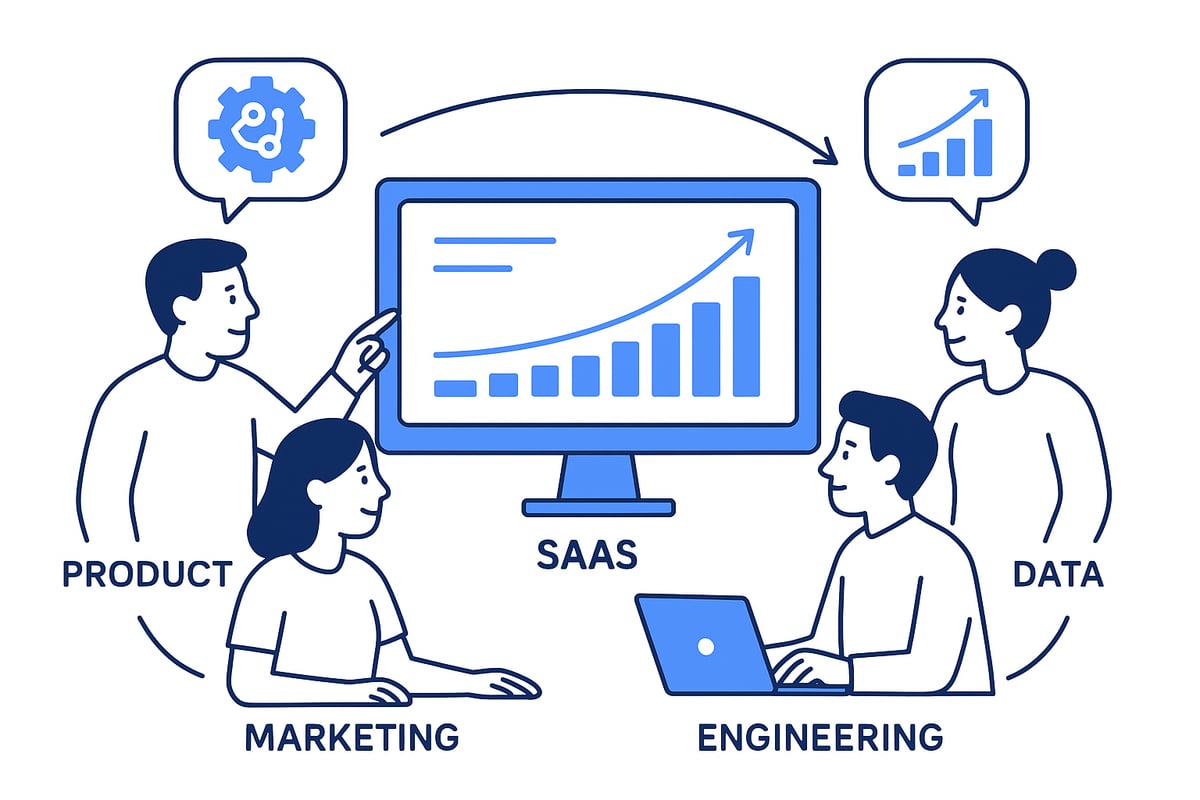
Imagine a B2B SaaS team where product, marketing, and sales move in perfect sync. This unified approach becomes the heartbeat of scalable team growth, driving both pipeline and ARR. When these functions operate in isolation, teams risk lost opportunities and inefficiency. Disconnected KPIs and unclear handoffs can result in:
- Missed pipeline targets
- Wasted marketing spend
- Poor customer experiences
A unified “growth function” solves these challenges by making a single cross-functional team accountable for every stage of the customer journey. Many modern SaaS organizations now appoint a Chief Growth Officer to lead this charge, bringing together diverse roles under one roof. Shared metrics become the new language of success. For example:
| Metric | Why It Matters |
|---|---|
| Pipeline Contribution % | Measures GTM team impact |
| Lead Velocity Rate | Tracks speed of growth |
| Customer Expansion | Monitors ARR from upsell |
Practical frameworks power this alignment. Weekly growth syncs foster communication. Integrated dashboards provide real-time visibility. Cross-functional OKRs keep everyone focused on business outcomes. According to HubSpot, teams using this model see 36% higher customer retention. To learn more about structuring unified go-to-market teams, explore how leading SaaS firms use integrated teams to accelerate team growth. With Agentic AI, these teams can automate tasks, analyze feedback loops, and focus on high-value strategy, creating a foundation for measurable, scalable growth.
Leveraging Agentic AI and Automation for Scalable Growth
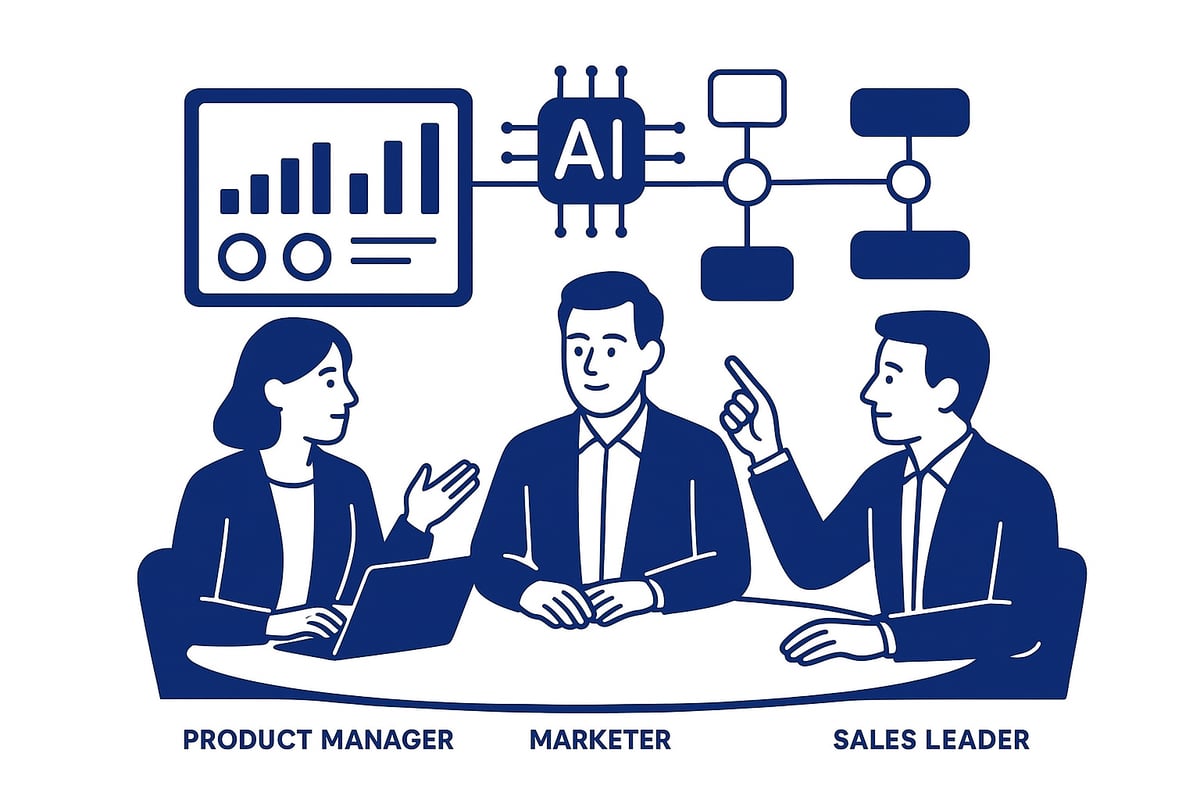
Imagine a B2B SaaS team racing to keep up with market demands, only to be slowed by manual processes and fragmented data. In 2026, Agentic AI emerges as the catalyst that transforms team growth, giving organizations the power to automate, optimize, and personalize at scale.
Agentic AI, short for Agentic Automation, refers to autonomous AI agents programmed to proactively execute tasks, optimize workflows, and surface actionable insights across go-to-market teams. Instead of waiting for instructions, these agents anticipate needs and act, creating a new era for team growth.
What is Agentic AI?
Agentic AI works behind the scenes to eliminate repetitive tasks and unlock hidden efficiencies. For example, it can:
- Qualify leads in real time based on behavioral signals
- Map customer journeys and suggest next-best actions
- Analyze pipeline health and forecast revenue trends
To see how Agentic AI streamlines compliance and workflow automation, explore How Agentic AI Could Catalyze Cloud Computing Compliance.
Real-World Use Cases for Team Growth
Leading SaaS companies are already deploying Agentic AI to accelerate team growth. Consider these use cases:
- Automated lead scoring highlights high-intent prospects instantly.
- AI-driven customer journey mapping ensures personalized outreach.
- Predictive pipeline analytics help revenue teams prioritize deals.
- Scheduling demos and follow-ups is handled autonomously, cutting sales cycle times.
Impact on GTM Teams
The results speak for themselves. According to McKinsey, AI adoption in B2B SaaS has boosted pipeline efficiency by up to 40 percent. GTM teams can now focus on strategic work, run more experiments, and deliver hyper-personalized experiences, all while maintaining alignment and speed.
Change Management and the Human Element
Adopting Agentic AI requires more than new tools, it demands a culture of experimentation and continuous learning. Upskilling teams to collaborate with AI agents is essential. The most successful organizations treat AI as a partner, empowering their people to drive team growth through creativity and insight.
Agentic AI is not here to replace humans but to elevate every member of the team, making scalable, sustainable team growth a reality in 2026 and beyond.
Step-by-Step Guide: Building a High-Performance Growth Team in 2026
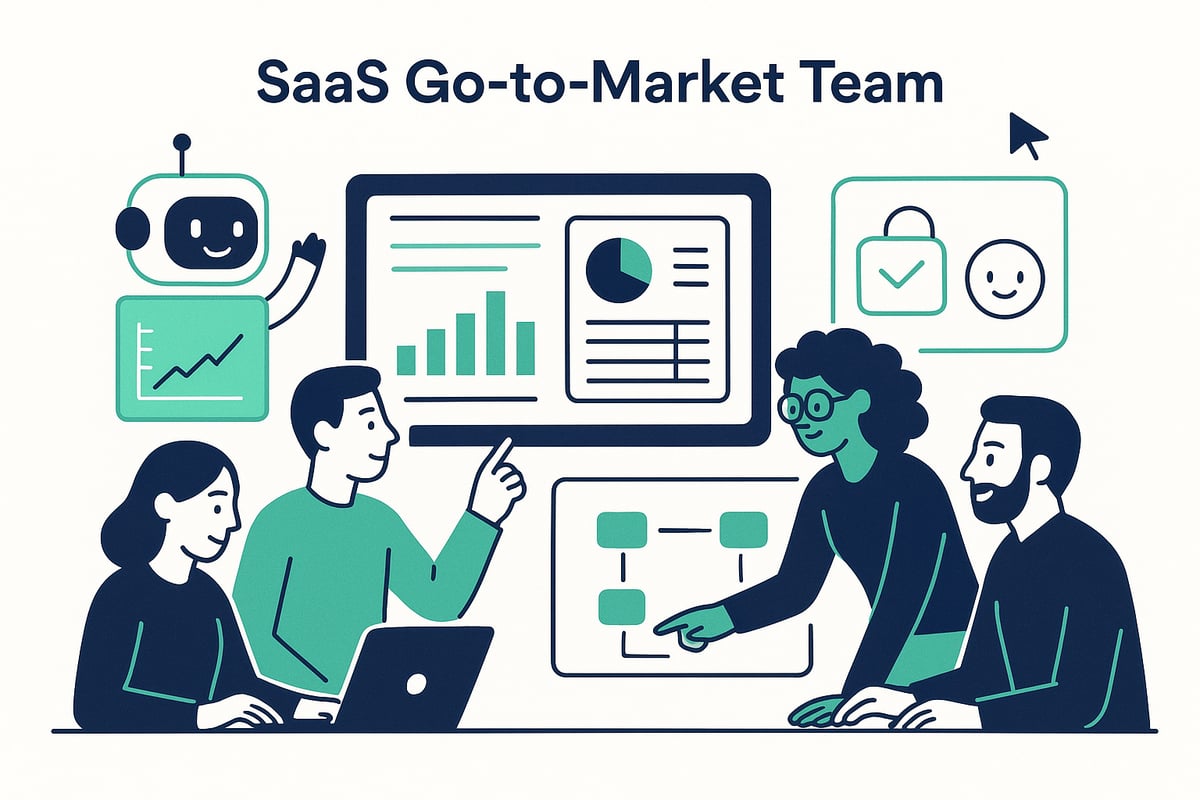
Building a high-performance team growth engine in 2026 means going beyond traditional silos and embracing a unified, agile mindset. Here’s a proven, actionable guide to transform your go-to-market strategy and drive measurable business impact.

1. Define Clear Growth Objectives and Metrics
Start with unified, measurable goals that tie directly to ARR, sales pipeline, and customer success. Use OKRs to align every function, focusing on leading indicators like lead-to-opportunity rates and expansion ARR.
For example, a SaaS team might track expansion ARR as a core metric, ensuring every member is accountable for growth outcomes. This clarity sets the stage for scalable team growth.
2. Assemble Cross-Functional Growth Squads
Form squads that blend expertise from product, marketing, sales, engineering, and data. Assign clear ownership for each funnel stage, breaking down barriers between departments.
Follow Mixpanel’s model: growth teams often include engineers, analysts, product managers, and designers. This diversity keeps team growth agile and responsive to shifting customer needs.
3. Implement Agile Workflows and Rapid Experimentation
Adopt sprint-based planning, weekly reviews, and empower squads to run experiments at pace. Aim for 10 or more funnel tests per quarter, using real-time data to iterate fast.
For hands-on frameworks, explore data-driven growth strategies to build a culture of experimentation and learning. This step accelerates discovery of what truly drives results.
4. Integrate Agentic AI and Automation Tools
Choose AI platforms that automate lead qualification, personalize content, and power analytics. Train teams to collaborate with Agentic AI agents, amplifying productivity and insight.
Companies using AI in pipeline management report 25% faster sales cycles. By leveraging Agentic AI, teams focus more on strategic work and less on repetitive tasks.
5. Establish Unified GTM Dashboards and Feedback Loops
Build real-time dashboards tracking KPIs across all GTM functions. Hold regular retrospectives, sharing learnings and iterating on what works.
Weekly pipeline reviews with shared accountability ensure alignment, while closed-loop feedback strengthens every aspect of team growth.
Measuring, Optimizing, and Scaling Team Growth Outcomes
Measuring team growth is the bridge between ambition and real results. Without clear visibility, even the best strategies can lose their way. Top SaaS companies start by tracking the right metrics, then use data to fine-tune every move.
Essential metrics for team growth:
- Pipeline contribution (by function and channel)
- ARR growth and expansion ARR
- Customer retention and Net Revenue Retention (NRR)
- Activation and onboarding rates
Closed-loop reporting ensures every team sees the direct impact of their work. Attribution models help connect daily actions to outcomes, making it easier to scale what works and fix what doesn’t. AI and especially Agentic AI now play a pivotal role by surfacing trends, predicting pipeline gaps, and automating experiment analysis.
For example, leading SaaS firms have increased NRR by 15% through targeted expansion campaigns, using AI to spot upsell opportunities. Growth-minded teams often use a kill/scale/iterate framework to quickly act on experiment results.
Common pitfalls include chasing vanity metrics, over-focusing on top-of-funnel growth, and failing to align post-sale teams. To scale success, build unified dashboards, run regular retrospectives, and adapt winning models across new regions or products. For a deeper dive into future-proofing your approach, check out these SaaS growth trends and best practices.
Future Trends: The Evolution of Team Growth in B2B SaaS
Picture a future where Agentic AI, automation, and unified GTM teams are the backbone of every thriving SaaS business. As we approach 2026, team growth is being redefined by new roles, smarter workflows, and the relentless push for measurable impact.
Key trends shaping the next wave of team growth include:
- The rise of Chief Growth Officers leading integrated growth functions
- AI-first workflows driving hyper-personalization and predictive analytics
- Continuous learning and technical enablement for every GTM role
- Customer-centric innovation fueled by real-time data
Forward-thinking SaaS companies are already deploying AI agents to identify new revenue streams and enter untapped markets. According to Gartner, 70% of B2B SaaS organizations plan to boost investment in AI-driven GTM strategies by 2026. Industry experts echo this shift, emphasizing that AI and automation are becoming essential for scalable go-to-market execution.
To stay ahead, leaders must foster data literacy, embrace experimentation, and empower teams to adapt quickly. The future of team growth will belong to those who proactively innovate, unite product, marketing, and sales, and turn AI into a true growth partner.
You’ve just explored how aligning your team, embracing Agentic AI, and building a unified growth engine can take your B2B SaaS company from product problem fit to repeatable, enterprise grade success in 2026. Now imagine having a trusted guide to help you put these strategies into practice—someone who’s walked alongside founders, CMOs, and GTM leaders on this same journey. If you’re ready to start writing your own growth story and want a sounding board for your next steps, let’s connect.
Book Your Personal Intro Call
and discover how your team can become the engine of tomorrow’s success.

Latest From
The Blog
Go To Market Strategy Consulting Guide For 2025 Success

Go To Market Strategy McKinsey Guide For Success 2025
.jpg)
Crossing the Enterprise Chasm: A Practical Guide to Sales-Led Growth (SLG)

Let's Build The Future Together
