

Marketing Strategist Adalah: The Essential Guide 2026




Are you prepared for the marketing challenges 2026 will bring? The landscape is changing faster than ever, reshaping how B2B SaaS and enterprise software companies compete and grow.
Leaders now face a new era where product, marketing, and sales must function as a single, unified growth engine. The rise of AI, especially Agentic AI, and automation is transforming the way teams collaborate, make decisions, and drive pipeline and ARR.
In this guide, you’ll discover what marketing strategist adalah in the context of 2026. We'll define the role, break down the essential skills, share future trends, and offer actionable steps for building a future-proof go-to-market strategy. If you want to drive measurable growth and outpace the competition, this is your playbook.
What is a Marketing Strategist?
In 2026, marketing strategist adalah the visionary behind unified growth for B2B SaaS and enterprise software. Unlike traditional roles, a marketing strategist shapes the big picture, blending market intelligence, product positioning, and GTM execution. To dive deeper into how this role evolves, see this Peran Market Strategists Modern resource.
Let’s compare the strategist to other marketing roles:
| Role | Focus | Key Outputs |
|---|---|---|
| Marketing Strategist | GTM, market, revenue | Positioning, GTM plans, pipeline |
| Marketing Manager | Campaigns, execution | Campaigns, schedules, reporting |
| Growth Marketer | Experimentation, growth | A/B tests, user acquisition, metrics |
Core responsibilities of a marketing strategist include:
- Analyzing market trends and competitors
- Defining product-market fit and positioning
- Crafting integrated GTM strategies
- Ensuring alignment of product, marketing, and sales for pipeline and ARR growth
For example, in a SaaS firm, the marketing strategist adalah the bridge uniting product innovation, marketing campaigns, and sales enablement into a cohesive growth engine.
Key skills for future strategists:
- Analytical and data-driven mindset
- Cross-functional leadership
- Deep understanding of AI and automation
According to Gartner (2024), 72% of high-growth SaaS companies now rely on dedicated strategists, underscoring the rising demand for this role.
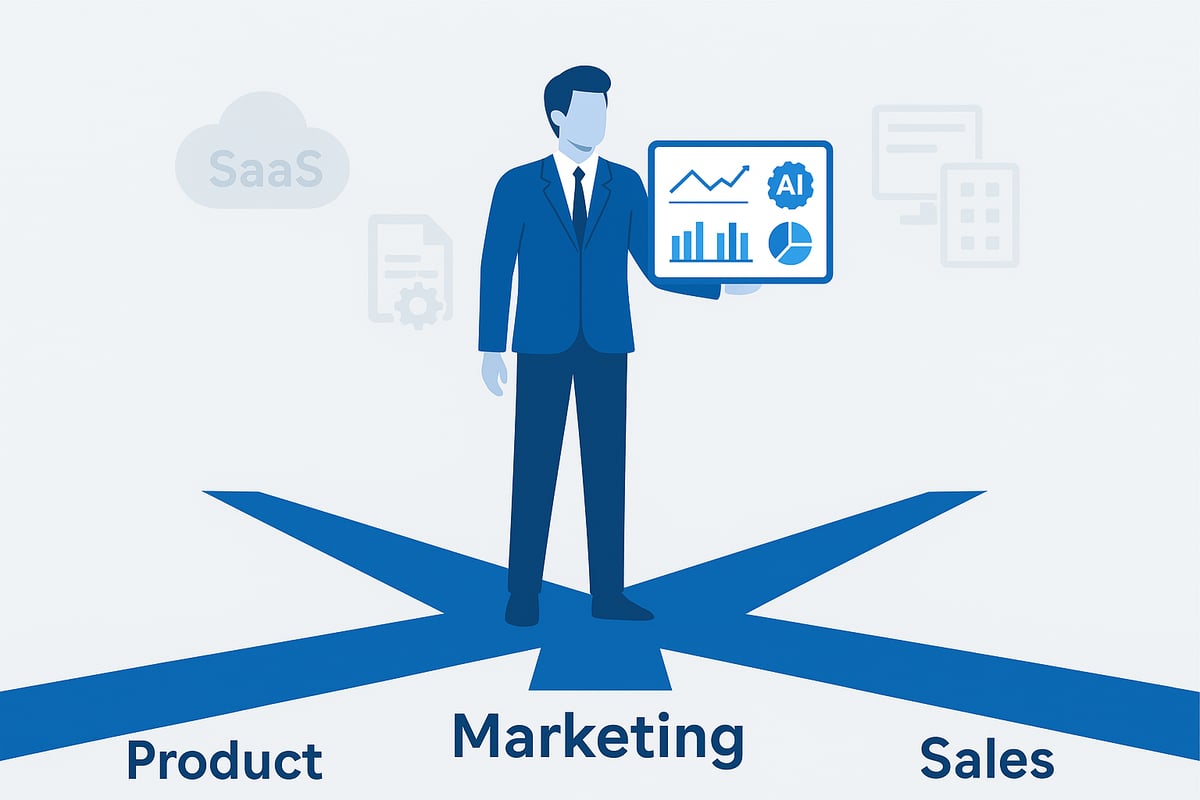
The Evolution of Marketing Strategy: From Traditional to AI-Driven
The journey from traditional marketing to AI-driven strategy is reshaping how leaders approach growth, especially in B2B SaaS and enterprise software. Today, success hinges on the ability to connect data, teams, and technology for measurable results.
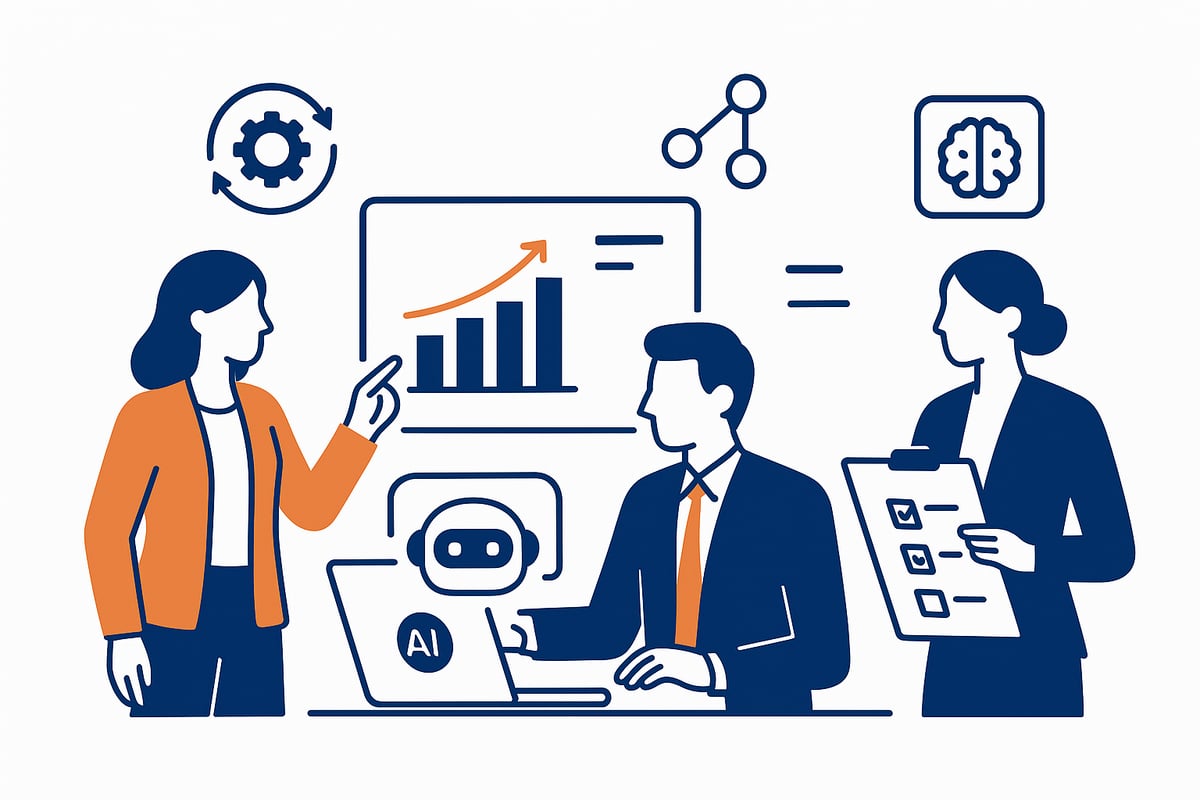
The Shift to Data-Driven GTM
Marketing strategist adalah the architect behind a data-driven go-to-market (GTM) approach. Gone are the days of relying solely on intuition. Now, companies integrate GTM frameworks that directly link KPIs to pipeline and ARR outcomes.
Consider SaaS firms using predictive analytics:
- Pinpointing new market segments
- Forecasting revenue impact
- Prioritizing high-potential leads
This shift empowers teams to make confident, evidence-based decisions that fuel scalable growth.
The Rise of Agentic AI and Automation
Agentic AI is redefining marketing strategy by automating complex workflows and enabling real-time optimization. With intelligent systems handling campaign orchestration, lead scoring, and hyper-personalized content, strategists can focus on high-impact initiatives.
For instance:
- Automated multichannel campaigns adjust messaging dynamically
- Intelligent lead scoring targets buyers with the highest intent
- Dashboards provide instant feedback for rapid iteration
According to Forrester, 58% of enterprise marketers plan to deploy Agentic AI by 2026. Explore more about Transformasi Marketing dengan AI to see how automation is transforming the field.
Aligning Product, Marketing, and Sales
True transformation happens when marketing strategist adalah a unifier across product, marketing, and sales. Breaking down silos, strategists foster cross-functional alignment through unified dashboards and shared KPIs.
Example practices:
- Operational dashboards for real-time performance tracking
- Joint planning sessions to synchronize GTM execution
- Continuous feedback loops to refine messaging and offers
Such alignment accelerates pipeline growth and ensures every team is driving toward the same revenue goals.
Key Skills and Competencies of a 2026 Marketing Strategist
To thrive in the fast-moving world of B2B SaaS, a marketing strategist adalah more than just a planner—they are a force for growth and transformation. The right skills are essential for aligning product, marketing, and sales into a unified GTM machine that drives pipeline and ARR.
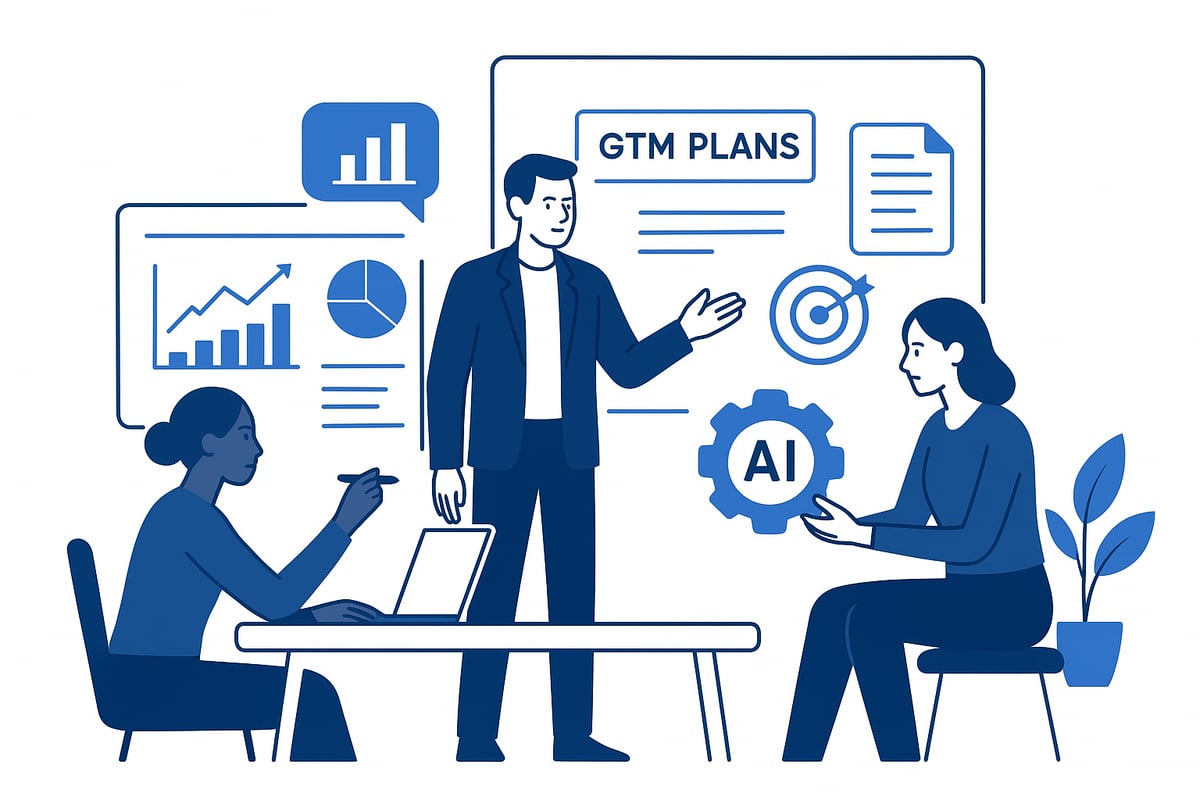
Technical and Analytical Expertise
A marketing strategist adalah a data-driven leader, mastering analytics platforms, AI tools, and automation systems. They leverage Agentic AI to optimize customer journeys, automate campaign orchestration, and extract actionable insights from massive data streams. For example, strategists use predictive analytics to identify high-value accounts and tailor GTM tactics in real time. Those who stay current with Agentic AI in marketing are able to supercharge business outcomes, ensuring every move is measurable and scalable.
- Mastery of data analytics platforms
- Proficiency with AI and automation
- Real-time decision making for ARR growth
Strategic Leadership and Collaboration
Top strategists lead cross-functional teams that bring together product, marketing, and sales. They build consensus, facilitate alignment, and drive organizational change to break down silos. In B2B SaaS, firms with strong strategist leadership see up to 30 percent faster ARR acceleration, as these leaders turn insights into unified action.
- Cross-team leadership and influence
- Building shared vision and trust
- Driving change for unified GTM execution
Adaptability and Continuous Learning
Continuous learning is vital in a landscape shaped by AI, automation, and shifting regulations. The most successful strategists stay ahead of trends by earning AI certifications, attending industry workshops, and fostering a culture of experimentation. A marketing strategist adalah always evolving, ensuring their skills remain relevant as technology and markets shift.
- Staying updated on AI and automation trends
- Commitment to professional development
- Embracing change and innovation
Building a Future-Proof Marketing Strategy: Step-by-Step Guide
In the world of B2B SaaS and enterprise software, building a future-proof marketing strategy is more than a checklist. It’s a dynamic journey that blends data, technology, and human insight. Let’s walk through a five-step approach every marketing strategist adalah must master to drive scalable, predictable growth.

Step 1: Market and Competitive Analysis
Every effective marketing strategist adalah begins with a deep dive into the market. AI-driven tools now offer real-time intelligence, revealing shifts in demand and new competitor moves. By mapping whitespace opportunities, teams can find untapped segments.
- Use Agentic AI for rapid competitor benchmarking
- Identify product-market fit quickly
- Spot market gaps before rivals
With these insights, strategists set the stage for targeted, data-backed growth.
Step 2: Unified GTM Planning
Integrated go-to-market planning is the heart of modern strategy. Here, the marketing strategist aligns product, marketing, and sales teams around shared KPIs tied to pipeline and ARR. Operational dashboards become the single source of truth, ensuring every team pulls in the same direction.
Collaboration is key. For more on building unified SaaS strategies, see Strategi Marketing SaaS Terkini.
Step 3: AI-Enabled Campaign Execution
With a plan in place, execution goes into high gear. Agentic AI automates multichannel campaigns, personalizing messages at scale. The marketing strategist adalah leverages these tools to optimize touchpoints, boosting engagement and conversion rates.
- Automate lead scoring and nurture flows
- Personalize outreach based on real-time data
- Achieve 40 percent higher engagement with AI-driven campaigns
AI empowers teams to work smarter, not harder.
Step 4: Measurement and Optimization
Continuous improvement is non-negotiable. Modern analytics platforms track every campaign, enabling the strategist to see what’s working in real time. Closed-loop reporting links marketing activity directly to ARR and pipeline impact.
Teams iterate quickly, refining tactics for better outcomes. The result: strategies that adapt as the market shifts.
Step 5: Scaling and Expansion
Once a repeatable system is in place, scaling becomes the focus. The marketing strategist adalah uses automation and unified GTM frameworks to expand into new markets efficiently. Enterprise-grade growth systems allow teams to move from product-problem fit to true product-market fit.
- Leverage automation for rapid expansion
- Build systems that scale across regions and segments
- Replicate success with data-driven playbooks
This approach ensures growth is sustainable, measurable, and future-proof.
Top Challenges Facing Marketing Strategists in 2026
For every marketing strategist adalah in B2B SaaS or enterprise software, 2026 brings a unique set of challenges that demand agility, technical skill, and a strategic mindset. As AI and Agentic AI automation reshape the landscape, leaders must navigate a rapidly shifting environment where the rules are still being written.
Top challenges include:
Rapid AI and Automation Adoption: Staying ahead of Agentic AI trends is now essential. Many strategists must quickly adapt to new tools, platforms, and workflows. According to AI adoption in B2B marketing, most B2B organizations are accelerating their investment in AI, which elevates the pressure to deliver measurable results fast.
Cross-Functional Alignment: Orchestrating seamless collaboration between product, marketing, and sales teams is complex. Silos slow down GTM execution and can dilute messaging. Unifying these functions is a core responsibility, and misalignment often leads to missed ARR targets.
Data Privacy and Compliance: Regulations like GDPR and CCPA continue to evolve. Strategists must ensure campaigns and data practices meet compliance standards, or risk costly penalties and damage to brand trust.
Legacy Systems vs. Next-Gen AI: Many B2B SaaS firms struggle to integrate existing infrastructure with new AI platforms. For example, a strategist at an enterprise software company may spend months aligning legacy data sources with Agentic AI tools, delaying go-to-market launches.
Talent Gaps: The need for AI and analytics expertise is outpacing the available talent pool. Upskilling and reskilling are crucial, especially as 65% of strategists cite change management as their top barrier to success (HubSpot, 2024).
To overcome these obstacles, marketing strategist adalah must invest in unified platforms, foster a culture of innovation, and prioritize ongoing learning. Agile adaptation and strategic experimentation are the keys to thriving in this dynamic environment.
Future Trends: The Next Frontier for Marketing Strategists
The next frontier for marketing strategist adalah defined by rapid change and bold innovation. As 2026 approaches, the landscape is shifting toward Agentic AI, hyper-personalization, and unified revenue operations.
Agentic AI systems are moving beyond basic automation. They now orchestrate complex, autonomous workflows across campaign management, lead scoring, and content delivery. For a deeper dive into how these systems are transforming execution speed and efficiency, see this Agentic AI transforming marketing workflows resource.
Hyper-personalization is no longer optional. Predictive GTM strategies let B2B SaaS teams deliver tailored experiences at every touchpoint, driving up engagement and pipeline velocity. Enterprise software leaders are leveraging AI-driven playbooks to outpace competitors and capture new markets.
Unified RevOps is gaining traction, breaking down silos between product, marketing, and sales. This integrated approach ensures every team drives toward shared pipeline and ARR goals, increasing transparency and speed.
Ethical AI and responsible automation are rising in importance. With increased regulation and customer scrutiny, marketing strategist adalah must balance innovation with compliance and trust.
According to Accenture, 80% of high-growth companies plan to double down on AI-powered marketing by 2026. To stay ahead, strategists should embrace continuous learning, experiment with new technologies, and draw insights from diverse industries.
If you’ve made it this far, you’re probably imagining what your team could achieve with a true marketing strategist mindset powering your growth. I get it—aligning product, marketing, and sales isn’t just a checklist, it’s a journey filled with challenges and breakthroughs. At GTM Consult, we’ve walked this path alongside founders and growth leaders, helping them turn ambitious ideas into real, scalable revenue. If you’re curious about how these strategies could work for your business, let’s have a real conversation—no jargon, just possibilities. You can Book Your Personal Intro Call and start shaping your own story for 2026 and beyond.

Latest From
The Blog
Go To Market Strategy Consulting Guide For 2025 Success

Go To Market Strategy McKinsey Guide For Success 2025
.jpg)
Crossing the Enterprise Chasm: A Practical Guide to Sales-Led Growth (SLG)

Let's Build The Future Together
