
Marketing Strategy SaaS Guide: Expert Insights for 2026

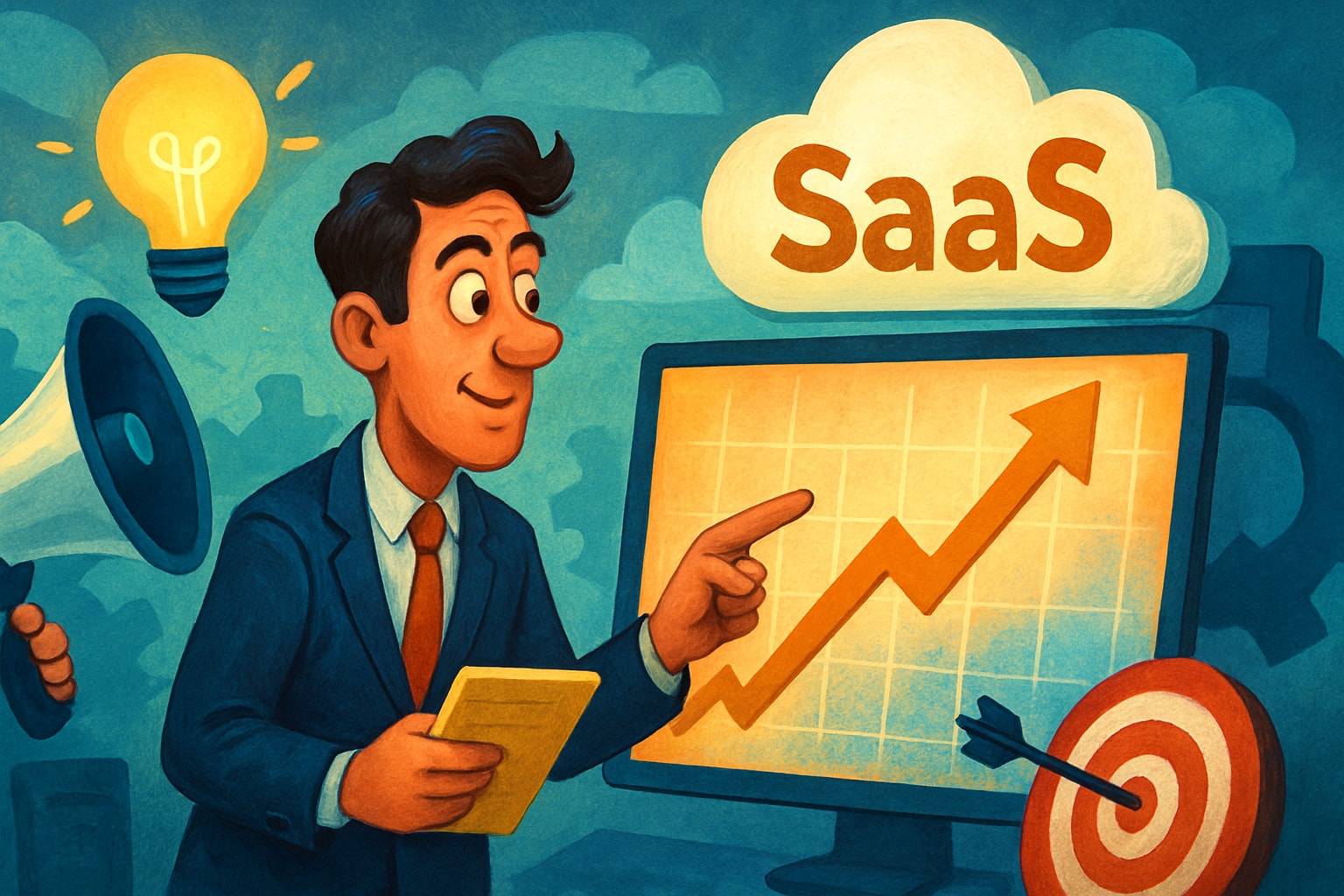


The world of SaaS marketing is changing fast. In 2026, new technologies and smarter buyers are rewriting the rules, making it vital to have a future-ready approach. Did you know that SaaS spending is expected to reach record highs, with double-digit growth year after year?
This guide is your roadmap to building a high-impact marketing strategy saas that stands out in a crowded market. You will discover how to align your product, marketing, and sales teams for unified growth, leverage cutting-edge AI and Agentic Automation, and execute data-driven go-to-market plans.
Ready to unlock proven frameworks, expert insights, and actionable tactics that fuel scalable success? Dive in to learn how to drive measurable results and stay ahead of the curve in the evolving SaaS landscape.
The New SaaS Marketing Landscape in 2026
SaaS marketing is entering a new era in 2026, with the marketing strategy saas playbook evolving faster than ever. The rise of AI-driven tools and Agentic Automation is transforming every go-to-market motion, pushing teams to adapt or risk falling behind.
Today’s buyers are more sophisticated, often engaging in longer, multi-touch journeys that blur the lines between product, marketing, and sales. To win, SaaS companies are adopting a mix of product-led, sales-led, and hybrid models, each demanding a tailored approach.
Key shifts shaping the landscape:
- Agentic AI now powers lead qualification and content personalization at scale.
- First-party data strategies are essential for privacy and compliance.
- Unified GTM teams outpace siloed functions, accelerating pipeline growth.
- Continuous engagement replaces linear funnels, requiring always-on value delivery.
For example, SaaS firms leveraging Agentic AI see smarter, automated lead scoring and personalized content journeys, boosting conversions and reducing manual workloads.
According to Gartner, 70% of SaaS marketers will increase AI investment by 2026. With the SaaS market projected to reach $315 billion by 2026, the pressure to innovate is real.
Traditional playbooks are out. Success in marketing strategy saas depends on agility, automation, and tight alignment across product, marketing, and sales functions.
Aligning Product, Marketing, and Sales for Unified Growth
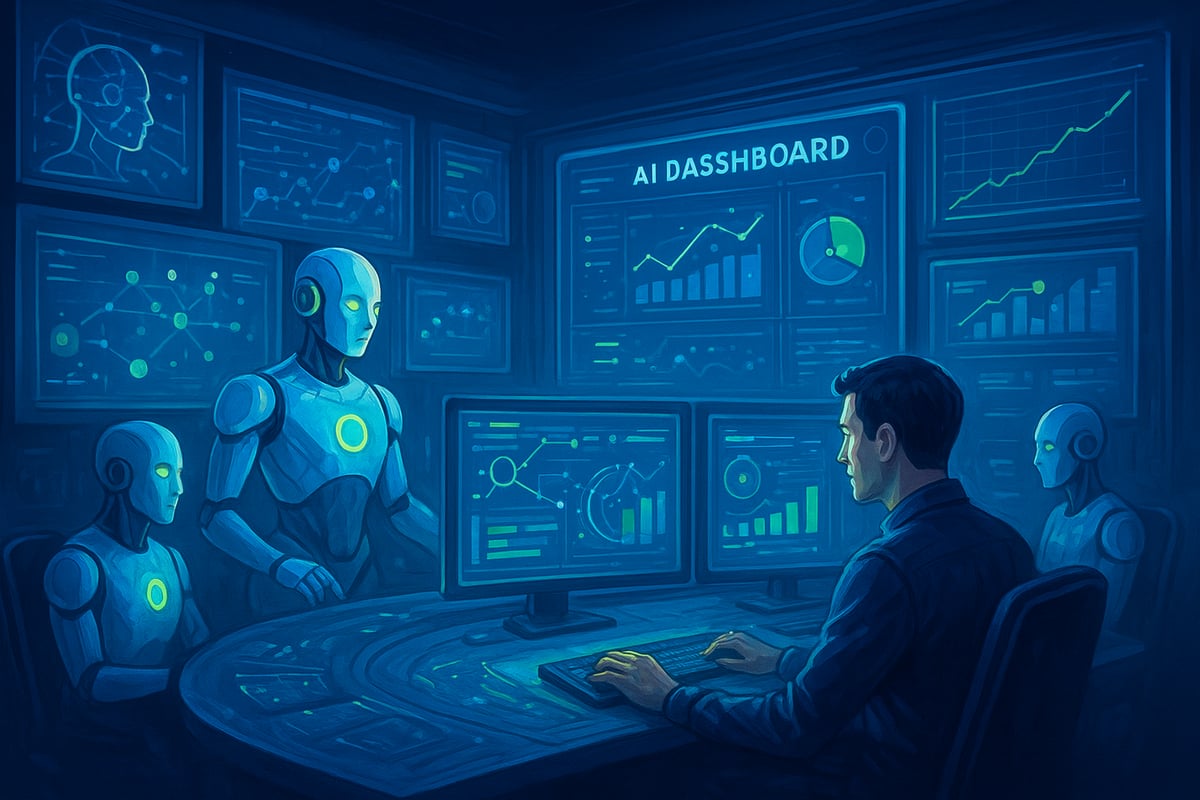
In 2026, breaking down barriers between product, marketing, and sales is the cornerstone of a robust marketing strategy saas. Siloed teams slow feedback, limit growth, and create blind spots in the customer journey. Modern SaaS leaders are reimagining alignment as a unified growth engine, powered by shared goals and real-time collaboration.
Unified growth functions succeed through:
- Joint planning sessions: Regular cross-team meetings create a single source of truth for pipeline, ARR, and activation targets.
- Integrated GTM dashboards: Teams monitor shared KPIs, making it easier to spot bottlenecks and act quickly.
- Enablement playbooks: Standardized playbooks streamline onboarding, sales handoffs, and product launches.
For example, SaaS companies that align teams using these frameworks achieve up to 30% faster pipeline growth, according to Forrester. Agentic AI is also accelerating alignment, automating lead qualification and surfacing actionable insights across departments.
Revenue operations (RevOps) anchors this marketing strategy saas, ensuring data flows freely and every function pulls in the same direction. To dive deeper into practical frameworks for breaking silos, explore Aligning product, marketing, and sales for proven strategies.
Operational cadences, regular feedback loops, and smart automation create a culture where fast learning and unified execution become the norm.
Step-by-Step: Building a Future-Proof SaaS Marketing Strategy
In 2026, building a future-proof marketing strategy saas plan means more than just following trends. It requires a systematic, data-driven approach that integrates product, marketing, and sales into one agile growth machine. Below is a proven four-step framework, inspired by insights from the SaaS marketing strategy guide, to help your team drive predictable, scalable results.
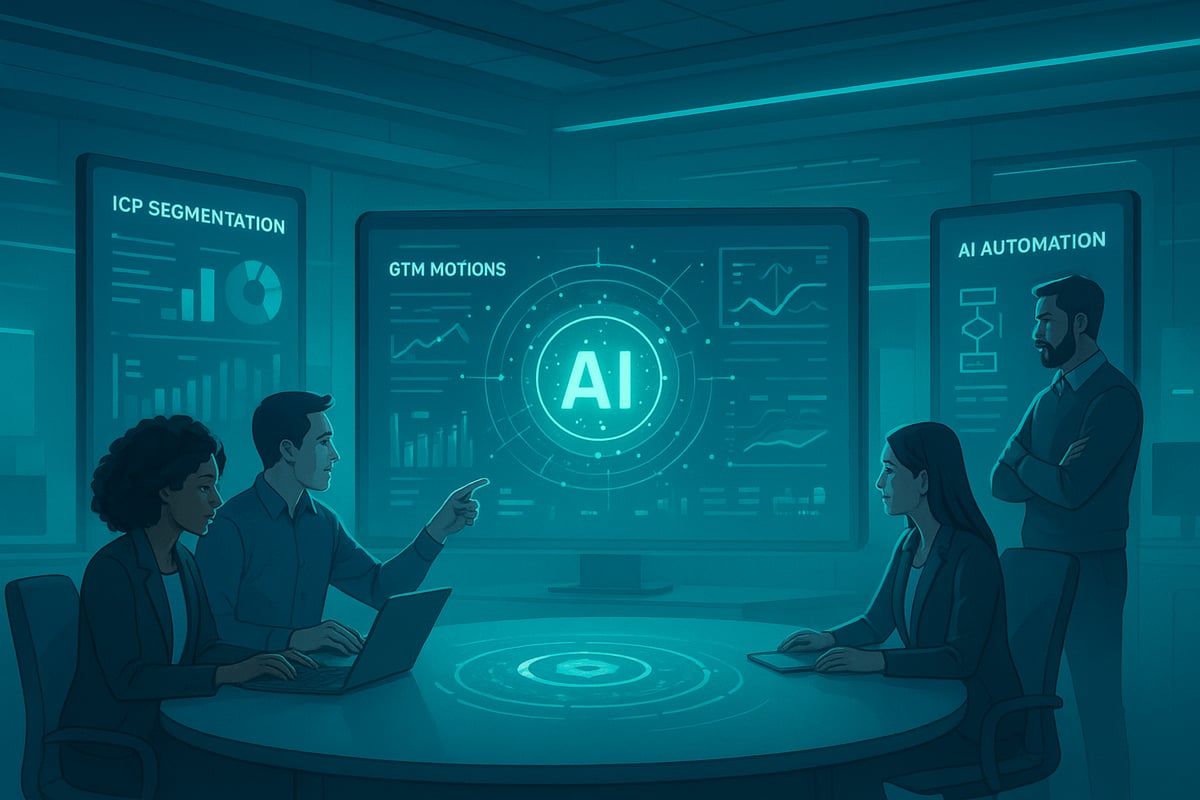
Step 1: Define Ideal Customer Profiles (ICPs) and Segments
Start by analyzing your historical data and market trends. Use AI and Agentic AI tools to surface high-value customer segments and evolving buyer personas. For example, an early-stage SaaS can target mid-market tech firms showing high intent signals.
- Leverage firmographic and behavioral data
- Continuously update segments as the market shifts
- Test hypotheses with real customer feedback
Step 2: Clarify Value Proposition and Market Positioning
Craft messaging that resonates deeply with your ICPs. Map product features to pain points and highlight measurable outcomes. For instance, position Agentic AI as an automation layer that saves enterprise IT teams time and cost.
- Build case studies to showcase impact
- Use customer language in messaging
- Differentiate from competitors clearly
Step 3: Select Go-To-Market Motions
Evaluate whether product-led, sales-led, or hybrid GTM motions best fit your offering and audience. Many B2B SaaS leaders blend free trials with targeted outbound for complex sales cycles.
- Assess buyer readiness for self-serve vs. consultative sales
- Align sales and marketing on handoff points
- Pilot hybrid approaches for faster learning
Step 4: Set Measurable Objectives and KPIs
Tie every campaign to pipeline, activation, and ARR goals. Use operational dashboards for real-time visibility into performance. For example, set a target of growing marketing-sourced pipeline by 25 percent in six months.
| Step | Key Action | Example Outcome |
|---|---|---|
| ICPs | Segment with AI analytics | Faster ARR from ideal buyers |
| Value Prop | Align messaging to pain points | Improved conversion rates |
| GTM Motion | Test PLG, SLG, or hybrid approaches | Shorter sales cycle, wider reach |
| KPIs | Track pipeline and ARR in dashboards | Data-driven, continuous improvement |
A future-ready marketing strategy saas plan is never static. Keep iterating, learning, and aligning your team for continuous enterprise growth.
Leveraging AI and Agentic Automation in SaaS Marketing
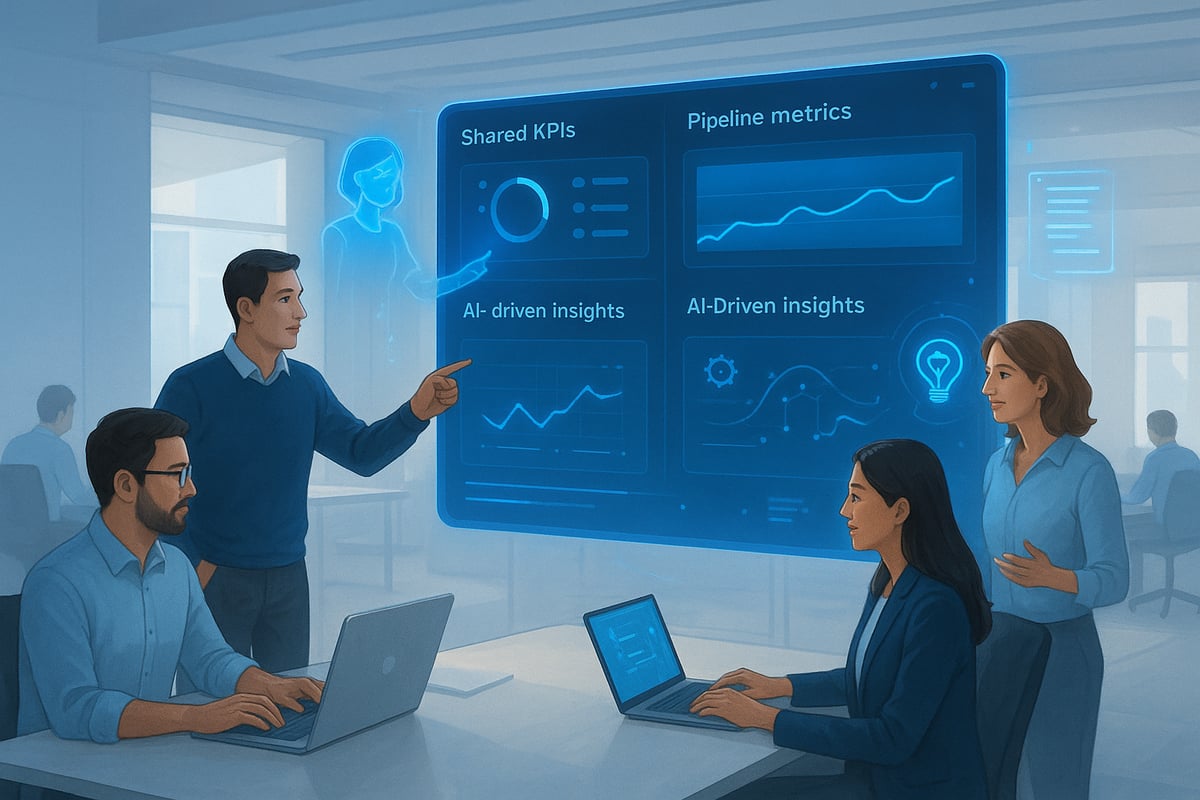
AI is no longer a futuristic concept in marketing strategy saas. In 2026, Agentic AI is redefining how SaaS companies automate, personalize, and scale every touchpoint. Agentic AI adoption in enterprises is accelerating, driving smarter automation and deeper customer engagement across the SaaS landscape.
What does this mean for your marketing strategy saas? Agentic AI enables lean teams to punch above their weight by automating core marketing ops and powering new growth levers. Here are real-world use cases:
- Automated content creation: AI crafts tailored blog posts, emails, and landing pages in minutes.
- Hyper-personalized nurture campaigns: AI segments and delivers relevant content based on behavioral data.
- Predictive lead scoring: Agentic AI analyzes signals to prioritize high-intent accounts for sales follow-up.
Consider a SaaS firm that integrated Agentic AI for demo scheduling. The result? A 40% jump in demo bookings, all while reducing manual workload.
To maximize value, leading teams integrate Agentic AI with CRM and marketing ops platforms for seamless workflows. While AI is a force multiplier, the best outcomes come from blending automation with human creativity and strategic oversight.
The numbers speak for themselves: 80% of SaaS organizations now cite AI-driven automation as their top growth driver, according to IDC. Embracing Agentic AI is essential for any future-ready SaaS go-to-market engine.

Executing and Scaling Your SaaS Marketing Strategy
Scaling a marketing strategy saas approach in 2026 requires more than just choosing between inbound and outbound. The most successful B2B SaaS teams blend both, using intent data and full-funnel ABM to meet buyers wherever they are. As B2B SaaS marketing trends for 2026 show, this blended approach drives higher pipeline velocity and delivers measurable ARR impact.
To build a resilient demand generation engine, invest in:
- High-value content and SEO for organic reach
- Digital events and webinars to nurture engagement
- Paid channels for rapid market penetration
- Outbound ABM, leveraging B2B SaaS lead generation tactics for precision targeting
Leading SaaS companies often turn their top-performing organic posts into high-ROI paid campaigns. This not only amplifies reach but also creates a feedback loop to inform future content and messaging.
Iterative execution is key for any marketing strategy saas plan. Use A/B testing, attribution modeling, and enablement playbooks to optimize every touchpoint. Empower your sales team with the right content at the right moment, and prioritize rapid learning over perfection.
Measuring Impact and Iterating for Continuous Growth
Measuring the impact of your marketing strategy saas is the heartbeat of sustainable SaaS growth. Imagine a team launching a new product feature. Without clear feedback loops between marketing, sales, and product, they risk missing what truly drives adoption.
To build momentum, leading SaaS companies track metrics like CAC, LTV, pipeline velocity, and lead-to-customer conversion. Unified dashboards powered by Agentic AI now surface actionable insights in real time. For example, one SaaS firm reduced CAC by 20 percent after integrating advanced analytics and aligning reporting across teams.
- Key metrics to monitor:
- Customer Acquisition Cost (CAC)
- Lifetime Value (LTV)
- Pipeline velocity
- Conversion rates
With SaaS growth frameworks and metrics, organizations can benchmark performance and identify bottlenecks quickly. Quarterly GTM reviews turn data into action, creating a culture of continuous improvement.
The most effective marketing strategy saas teams use predictive analytics to iterate campaigns and align incentives. This operational cadence transforms learnings into repeatable success, driving measurable business outcomes quarter after quarter.
You've just explored how the SaaS marketing landscape is shifting—AI is rewriting the rules, teams are breaking silos, and data is driving every decision. But knowing where to start or how to turn these insights into real growth can feel overwhelming. I’ve seen founders and marketing leaders like you transform their trajectory simply by having a candid conversation about their unique challenges and goals. If you’re ready to take your SaaS strategy from good to unstoppable, let’s connect and map out your next steps together—Book Your Personal Intro Call.

Latest From
The Blog
Go To Market Strategy Consulting Guide For 2025 Success

Go To Market Strategy McKinsey Guide For Success 2025
.jpg)
Crossing the Enterprise Chasm: A Practical Guide to Sales-Led Growth (SLG)

Let's Build The Future Together
