

7 Innovative Pipeline Generation Strategies for 2026 Success

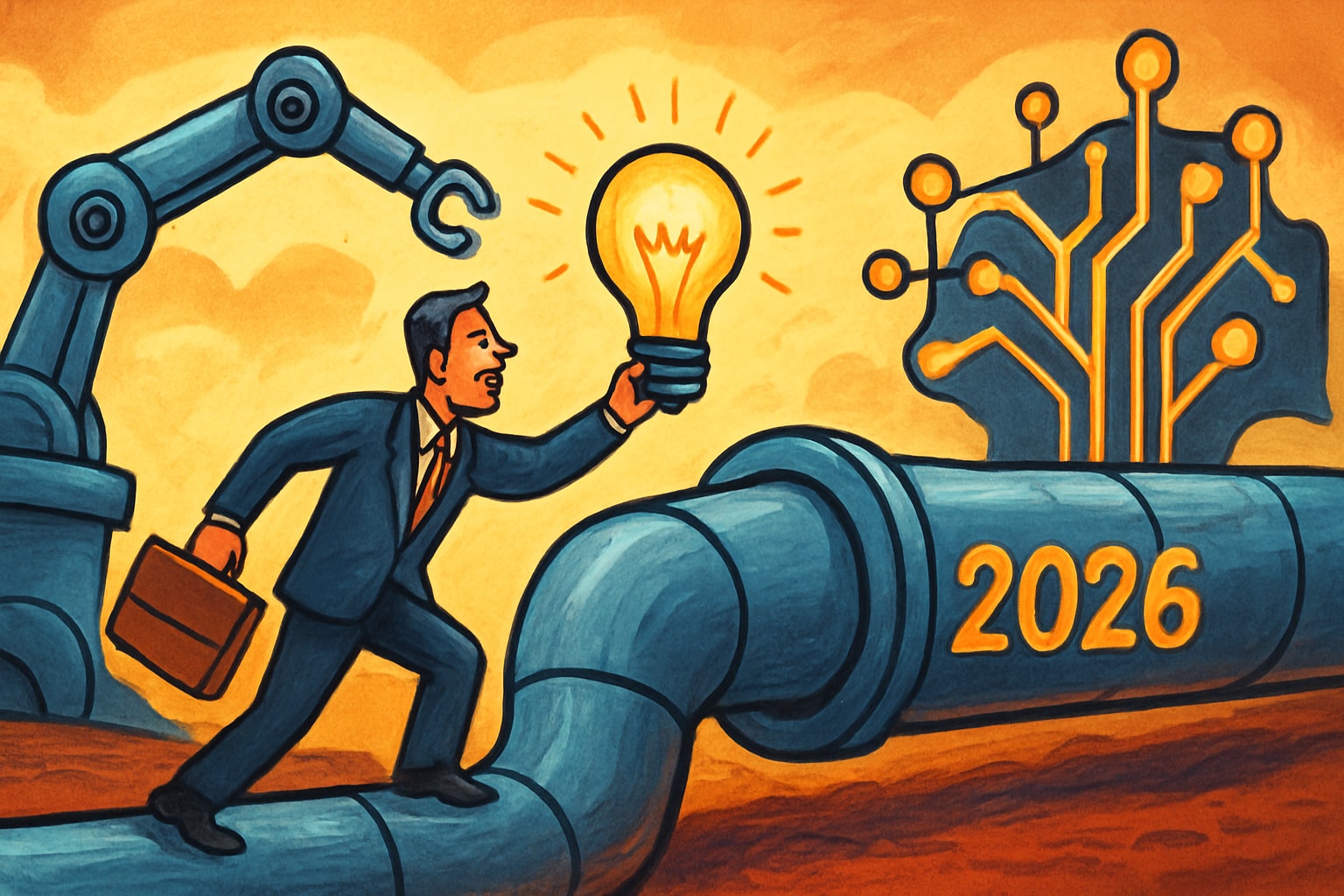


In 2026, B2B growth teams are navigating a new era where pipeline generation is shaped by rapid advances in AI, agentic automation, and rising buyer expectations. Traditional approaches no longer guarantee a healthy, scalable pipeline—modern enterprise success demands more.
Organizations striving for consistent, high-quality pipeline generation must go beyond legacy lead gen tactics. Data-driven innovation, seamless go-to-market alignment, and actionable sales enablement are now essential.
This article will explore seven cutting-edge strategies designed to help you fill your pipeline, accelerate revenue, and outpace the competition. Are you ready to upgrade your pipeline playbook for 2026?
The Evolving State of Pipeline Generation in 2026
The landscape of pipeline generation in 2026 looks nothing like it did just a few years ago. Instead of chasing isolated leads, growth leaders are building full-funnel, revenue-focused engines that connect every stage of the buyer journey.
What is driving this transformation? Consider these changes shaping the future of pipeline generation:
- AI adoption: Intelligent systems now automate lead capture, qualification, and nurturing.
- Agentic automation: AI agents act autonomously across channels, accelerating outreach and follow-up.
- Unified GTM teams: Sales, marketing, and product operate as one, breaking down traditional silos.
Best-in-class SaaS companies are leading the way. By aligning GTM functions, they achieve 30-50% higher pipeline coverage and see real ROI. Industry benchmarks reveal a 34% increase in MQL capture and a 62% jump in pipeline creation when automation is fully embraced. For a deeper look at how AI is driving tangible ROI for B2B sales teams, explore AI adoption driving ROI in B2B sales.
Yet, challenges remain. Many organizations still struggle with fragmented tools, outdated KPIs, and misaligned strategies. These obstacles can slow down pipeline generation and limit growth.
The lesson for 2026 is clear. Success demands a shift away from disconnected, tactical efforts. Instead, companies must orchestrate measurable, data-driven pipeline generation built on unified teams, agentic AI, and continuous optimization.

7 Innovative Pipeline Generation Strategies for 2026
In the rapidly evolving B2B landscape, pipeline generation is both an art and a science. Modern GTM teams must move beyond fragmented tactics and embrace holistic, AI-powered strategies. Let’s explore seven proven approaches driving scalable, measurable pipeline generation in 2026.

1. Agentic AI Automation for Pipeline Acceleration
Agentic AI refers to autonomous agents that orchestrate outreach, qualification, and nurturing across channels. In 2026, AI-powered SDRs like Piper handle web, email, and chat, accelerating pipeline generation around the clock.
- 24/7 prospect engagement and hyper-personalization
- AI prioritizes high-fit leads using real-time data
- Companies report 2x faster lead response and up to 40% higher conversion
Integrate agentic AI with your CRM and marketing stack for closed-loop visibility. Remember, successful pipeline generation with AI requires human oversight to avoid over-automation and maintain authentic connections.
2. Unified Go-to-Market (GTM) Alignment
True pipeline generation starts with aligning product, marketing, and sales as a single growth engine. Replace siloed KPIs with shared pipeline and ARR goals.
- Enablement playbooks and operational dashboards drive execution
- SaaS firms move from product-problem fit to repeatable enterprise growth
- GTM alignment boosts pipeline velocity by over 25%
Focusing on unified pipeline generation metrics reduces leakage and improves forecasting, enabling faster, more predictable revenue.
3. Conversational Account-Based Marketing (ABM) at Scale
Conversational ABM empowers real-time, personalized engagement with high-value accounts. AI, chat, and video tools allow teams to tailor messaging and gather insights at scale.
- Chatbots and live agents nurture target accounts
- 50% higher engagement rates with conversational ABM
- ABM accounts generate 208% more revenue than non-ABM
Seamless marketing-to-sales handoff ensures high-intent accounts move swiftly through pipeline generation stages.
4. Data-Driven Sales Enablement and Content Personalization
Analytics-driven sales enablement delivers the right content at each pipeline generation stage. Dynamic playbooks use buyer intent and engagement data to guide outreach.
- Personalized video demos and walkthroughs address unique pain points
- Win rates rise by up to 20%, sales cycles shorten
- Enablement platforms integrated with CRM and marketing automation
For deeper insights, explore Sales enablement content strategies to optimize pipeline generation through targeted, data-driven content.
5. Asynchronous Video Engagement for Modern Buyers
Asynchronous video tools like Loom allow sales teams to reach prospects across time zones, increasing flexibility and engagement in pipeline generation.
- Custom video demos lead to 3x higher reply rates than standard email
- Scalable personalization without the friction of live meetings
- Video outreach boosts pipeline advancement by 37%
Embed video in proposals, follow-ups, and outreach to accelerate pipeline generation and create memorable buyer experiences.
6. Referral and Advocacy Programs Powered by Automation
Automated referral engines transform happy customers into pipeline generation multipliers. Gamified incentives and seamless tracking drive participation.
- SaaS companies see 16% higher pipeline growth with referral programs
- Social sharing and onboarding integration amplify results
- Faster deal cycles with quality referrals
Maintain referral quality through ongoing program optimization and clear communication.
7. Continuous Pipeline Optimization with Real-Time Analytics
Real-time analytics enable agile pipeline generation management. Monitor conversion rates, velocity, and coverage ratios to spot bottlenecks instantly.
- AI-powered platforms recommend next-best actions for stalled deals
- Integrated dashboards provide actionable insights for GTM teams
- Proactive experimentation prevents stagnation
Continuous pipeline generation optimization ensures your strategy adapts to changing buyer behaviors and market dynamics.
Overcoming Pipeline Generation Challenges in 2026
In 2026, the race to master pipeline generation is more competitive than ever. Growth leaders are navigating a landscape filled with new technologies, evolving buyer behavior, and rising expectations for measurable results.
Common obstacles include:
- Tool fragmentation, with disconnected point solutions causing data blind spots
- Misaligned teams, where product, marketing, and sales lack unified goals
- Data silos, making it tough to track pipeline generation progress across functions
These hurdles can slow down pipeline velocity and stall revenue growth. For example, organizations struggling with fragmented systems often experience delayed lead response and missed opportunities.
To overcome these challenges, companies are adopting agile frameworks and unified platforms. By investing in agentic automation, cross-functional enablement, and continuous learning, leading B2B SaaS firms reduce pipeline stagnation by 35%. Integrated tech stacks enable 50% faster lead-to-opportunity conversion, and shared dashboards improve forecast accuracy. For actionable GTM alignment, explore this go-to-market plan template to build a cohesive pipeline generation strategy.
Best-in-class organizations foster a culture of experimentation, rapid feedback, and shared accountability. They treat pipeline generation as an ongoing, iterative process, not a one-time fix. By leveraging the latest in agentic AI and unified GTM operations, every team can contribute to measurable, scalable pipeline growth.
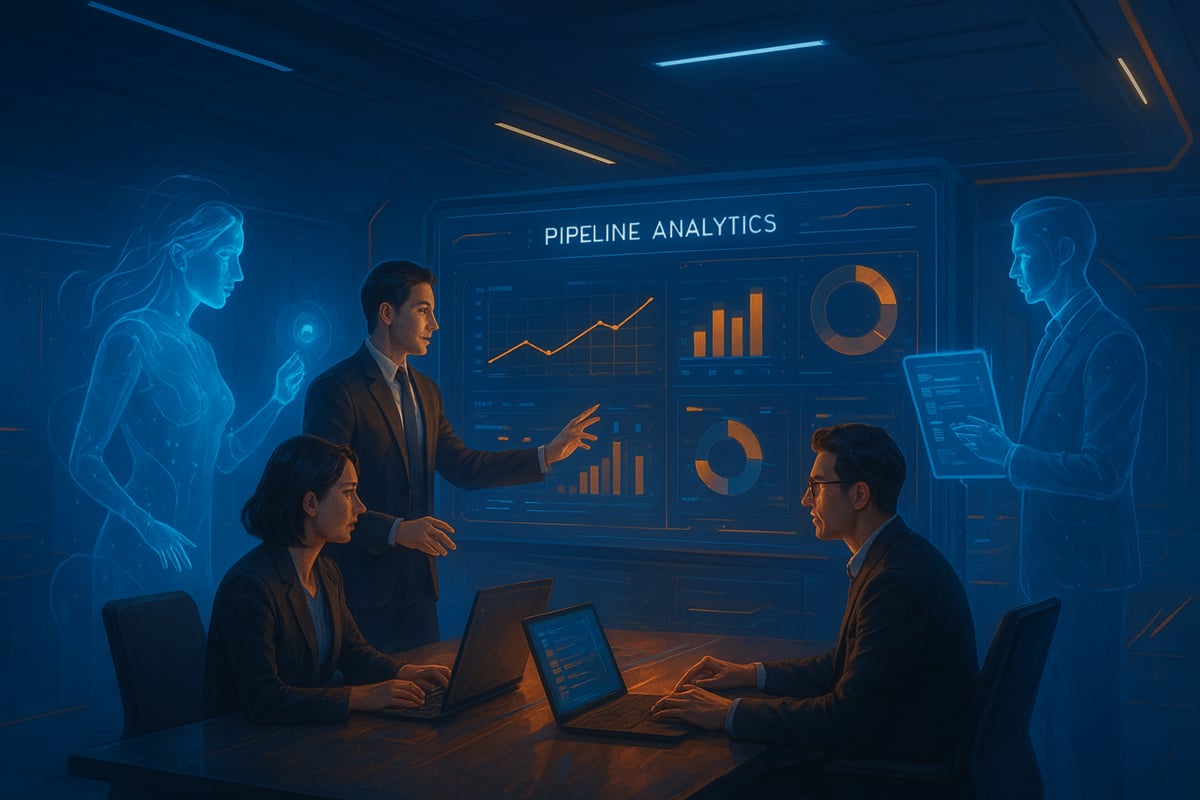
The Future of Pipeline Generation: Trends to Watch
What will define pipeline generation success in 2026? The landscape is rapidly changing as technology, buyer behaviors, and go-to-market strategies converge. To stay ahead, B2B SaaS and enterprise leaders must anticipate these pivotal trends and adapt their approach.

Key trends shaping pipeline generation in 2026:
- Agentic Automation: Agentic AI is transforming pipeline generation, with autonomous agents orchestrating outreach, qualification, and nurturing. Companies leveraging AI's impact on B2B sales pipelines report faster response times and higher conversion rates.
- ABM and Intent Data Expansion: Account-based marketing and real-time intent signals drive hyper-targeted engagement, ensuring resources focus on high-fit accounts.
- PLG Meets SLG: The integration of product-led growth with sales-led growth unlocks scalable, enterprise-ready pipeline generation. Learn more in this guide to Crossing the enterprise chasm: SLG.
- Quality Over Quantity: Teams are prioritizing high-intent, high-value opportunities, moving away from volume-centric pipeline generation.
- Predictive Analytics: AI-powered forecasting and analytics enable proactive pipeline management, surfacing bottlenecks and next-best actions before issues arise.
As these trends accelerate, organizations embracing innovation, GTM alignment, and AI-powered pipeline generation will secure a measurable edge in the market.
After exploring these seven bold strategies, you might be picturing the kind of growth your team could unlock with a sharper, more unified pipeline game. I’ve seen founders and revenue leaders just like you shift from chasing scattered leads to building momentum with data-driven execution—unlocking new levels of clarity and collaboration. If you’re ready to stop guessing and start building a pipeline that truly works for 2026 and beyond, let’s connect. Together, we can tailor these strategies to your unique challenges and vision. Curious what this could look like for your team? Book Your Personal Intro Call and let’s get started.

Latest From
The Blog
Go To Market Strategy Consulting Guide For 2025 Success

Go To Market Strategy McKinsey Guide For Success 2025
.jpg)
Crossing the Enterprise Chasm: A Practical Guide to Sales-Led Growth (SLG)

Let's Build The Future Together
