
Alignment Sales Guide: Strategies for Success in 2026

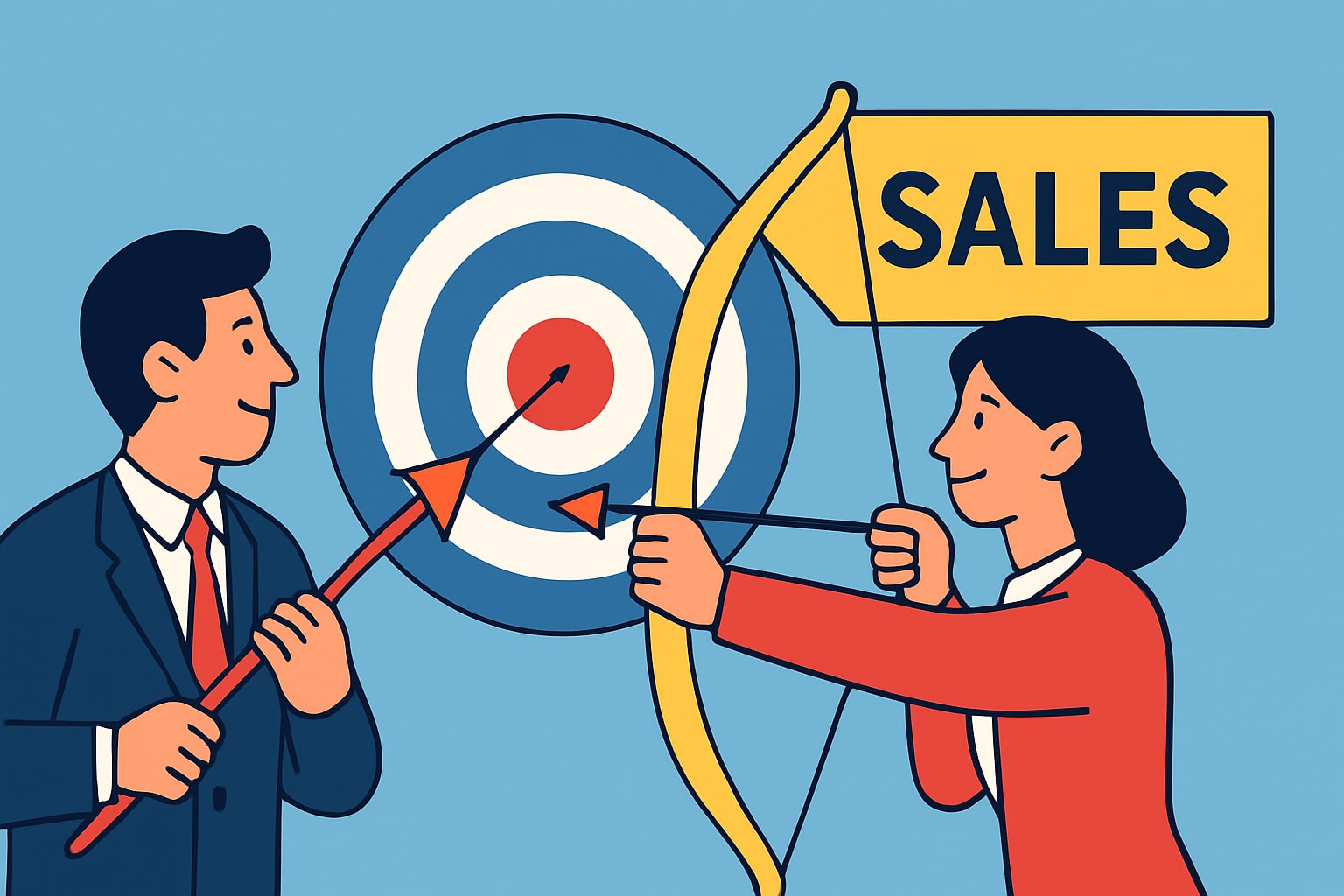


In 2026, the landscape of B2B SaaS is defined by rapid change and fierce competition. The companies pulling ahead are those making alignment sales their north star, uniting product, marketing, and sales into a single growth engine.
Imagine a world where teams move in sync, AI and Agentic Automation amplify every decision, and data silos are history. Research shows that organizations with strong alignment sales strategies drive faster growth and greater profitability.
This guide unlocks proven, data-driven frameworks to help leaders achieve alignment sales, accelerate pipeline, and boost ARR. Ready to transform your go-to-market execution for the future?
The Evolving Role of Alignment in Sales Success
In the fast-paced world of B2B SaaS, alignment sales means more than just teams working together. It is the strategic coordination of sales, marketing, and product functions, all focused on unified growth. This shift is transforming how companies approach go-to-market execution, making alignment sales a cornerstone of modern revenue operations.
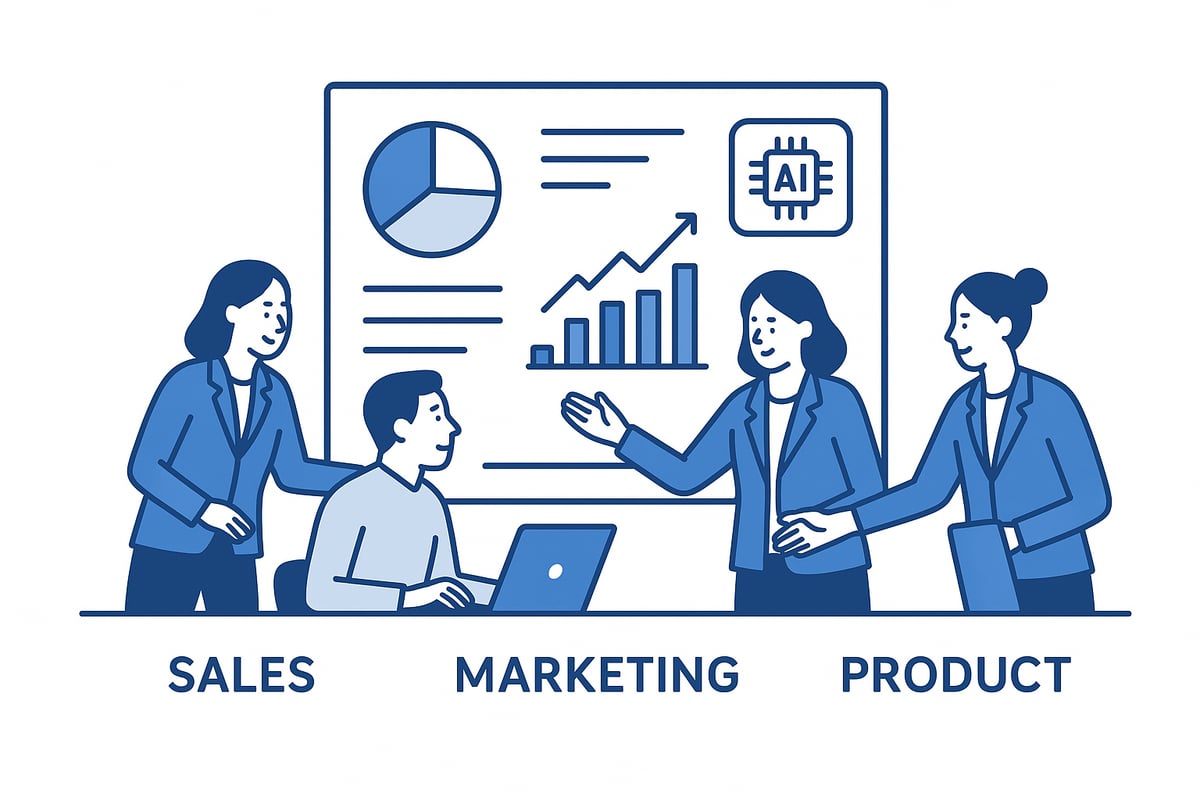
Today, the classic silos are disappearing. Integrated GTM teams are replacing isolated functions, fueled by trends like AI-driven sales, Agentic Automation, and unified data systems. These innovations accelerate alignment sales, making it possible to react in real time to shifting buyer needs and signals. According to Forrester, companies embracing alignment sales see 19% faster growth and 15% more profitability. Gartner reports they are three times more likely to hit customer acquisition targets.
Buyers are more informed than ever, often completing 57-70% of their journey before ever speaking to sales. This means seamless handoffs between marketing and sales are critical. For example, Marketo found companies with strong alignment sales are 67% better at closing deals. Alignment sales is not just a buzzword—it is the foundation for scalable revenue operations, repeatable growth, and long-term market leadership. To dive deeper into how integrated teams fuel this shift, check out Go-to-market team best practices.
Common Barriers to Alignment—and How to Overcome Them
Achieving alignment sales in B2B SaaS is often easier said than done. Many teams strive for unity, but persistent barriers slow growth and erode trust across product, marketing, and sales. Why is it so hard to get everyone moving in the same direction?
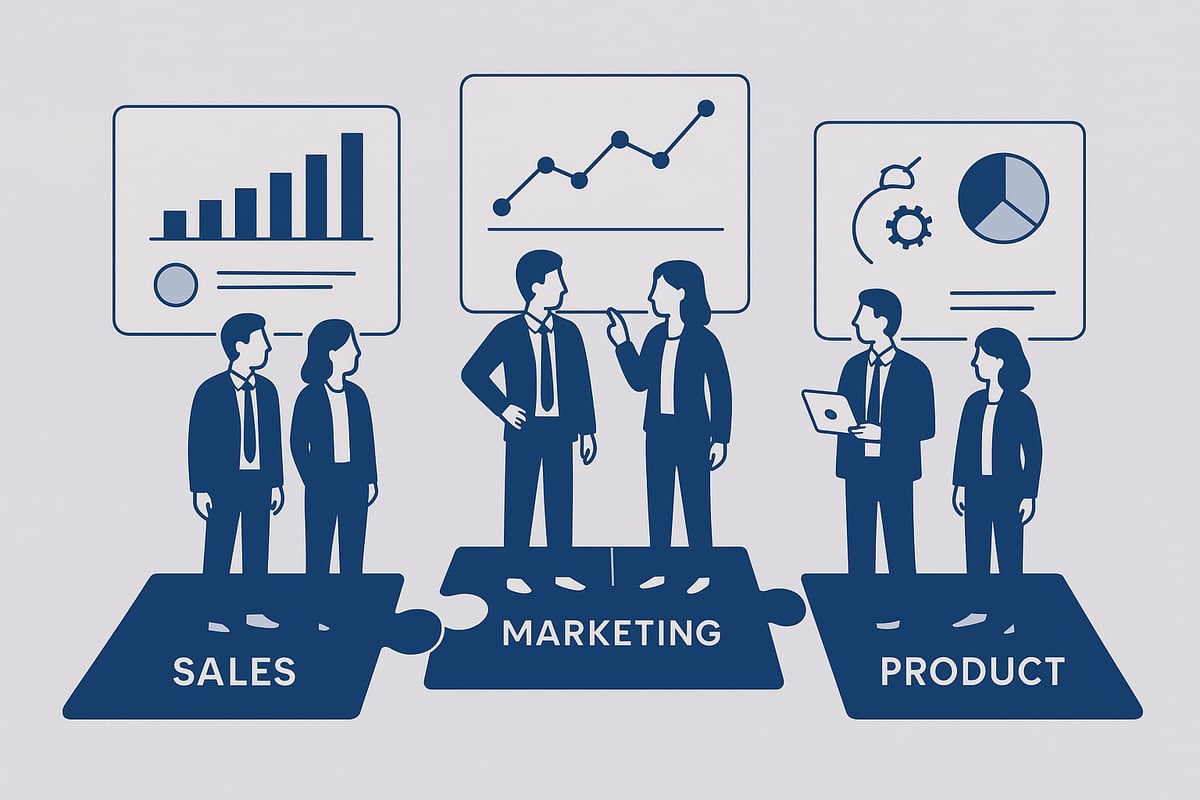
Common barriers include:
- Siloed KPIs and compensation: Teams measure success differently, often rewarding individual wins over shared outcomes.
- Data silos: 62% of teams define qualified leads differently. Disconnected tools prevent a unified customer view.
- Process misalignment: Nearly all report separate customer engagement plans, causing friction for the buyer.
- Short-term vs. long-term focus: Sales may chase immediate deals while marketing and product look at future growth.
- Lack of cross-functional empathy: Teams rarely walk in each other's shoes, leading to misunderstandings.
- Costly consequences: Misalignment costs businesses $1 trillion annually, according to Harvard Business Review.
- Real data: Organizations with strong Sales and Marketing Alignment Statistics are 103% more likely to exceed their goals.
To overcome these obstacles, start by establishing unified KPIs and shared dashboards that track pipeline, conversions, and retention across all teams. Schedule regular cross-team reviews and encourage open dialogue to build trust and empathy. By prioritizing alignment sales, companies set the foundation for sustainable growth, faster deal cycles, and measurable ARR impact.
Step-by-Step Framework for Sales Alignment in 2026
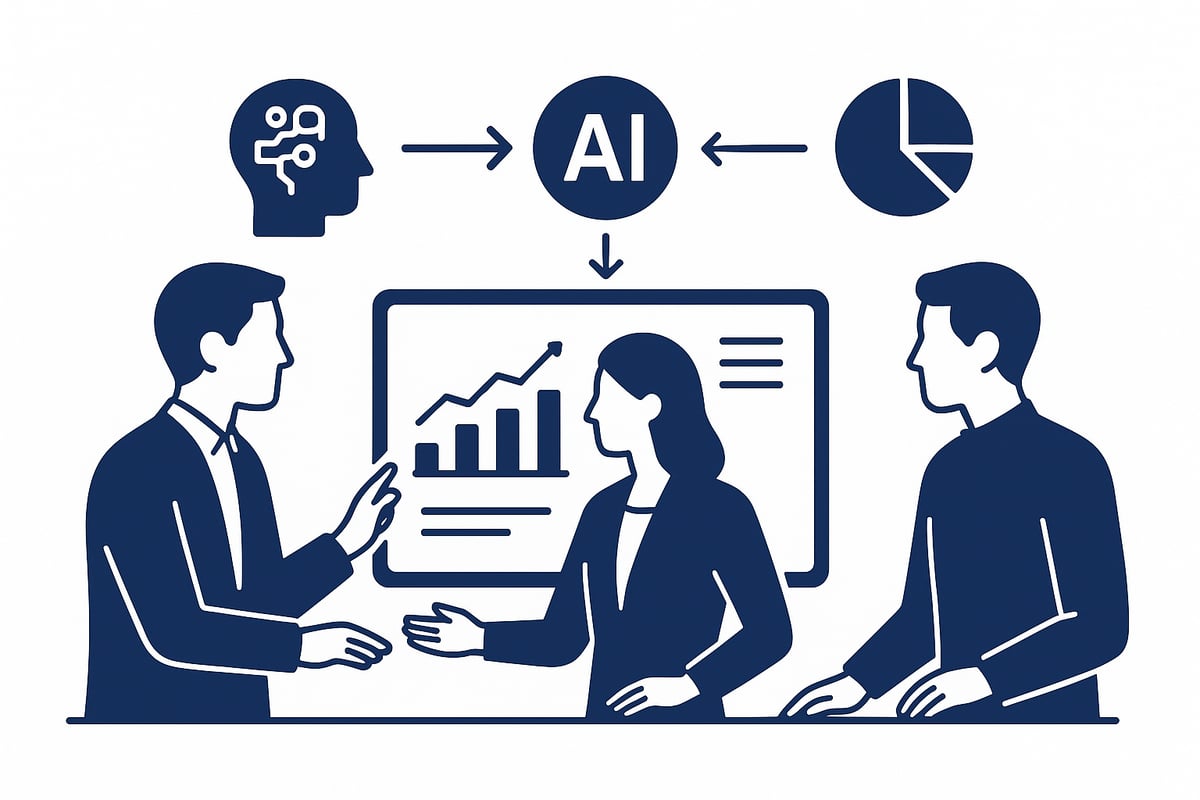
Achieving alignment sales in 2026 demands a proactive, cross-functional approach. High-growth B2B SaaS companies are reimagining how revenue teams collaborate, leveraging AI and unified GTM processes. Here’s a practical, five-step framework to drive results.
1. Set Unified Revenue Goals and KPIs
To build a strong alignment sales foundation, start with shared revenue goals across sales, marketing, and product teams. Define pipeline targets, customer retention rates, and ARR milestones together.
Use unified dashboards to visualize KPIs and progress in real time. These dashboards drive accountability and keep everyone focused on collective outcomes.
| KPI | Sales | Marketing | Product |
|---|---|---|---|
| Pipeline Value | Yes | Yes | Yes |
| Win Rate | Yes | Yes | Yes |
| Retention | Yes | Yes | Yes |
Integrate compensation plans so rewards are tied to team achievements, not just individual quotas. When 85% of leaders cite alignment as the top business lever, unified KPIs become non-negotiable.
2. Enable Seamless Data Sharing and Technology Integration
Alignment sales thrives on transparent data. Centralize customer insights with a robust CRM and analytics stack, breaking down silos across departments.
Adopt Agentic AI tools to deliver real-time recommendations and predictive insights. This empowers teams to act on the latest buyer intent signals and account health data.
- Centralized CRM for all teams
- Unified analytics dashboards
- AI-driven lead scoring and routing
Seamless technology integration means teams stay in sync and opportunities are never missed. According to HubSpot, 78% of sales pros say CRM is essential for alignment sales.
3. Foster Regular Cross-Functional Communication
Consistent communication is the heartbeat of alignment sales. Schedule joint pipeline reviews and strategy sessions so everyone stays informed.
Leverage collaborative platforms to document learnings and share updates. Encourage role shadowing to build empathy and cross-functional understanding.
- Weekly GTM sync meetings
- Shared digital workspaces
- Empathy-building exercises
Teams with regular meetings are 72.2% more likely to achieve alignment sales success, according to the Marketing Alliance. Open communication bridges gaps and builds trust.
4. Develop Full-Funnel Enablement Content and Playbooks
Build enablement assets together, using insights from sales, marketing, and product. Address real buyer pain points at every stage of the journey.
Create AI-personalized playbooks for prospecting, nurturing, and closing. This ensures content stays relevant and actionable.
For a deeper dive on best practices, explore sales enablement content creation to see how top SaaS teams co-create assets that drive conversion.
Sales teams with strong enablement are 58% more likely to exceed targets. Collaboration in content creation eliminates inefficiencies and boosts win rates.
5. Leverage Agentic AI for Predictive Alignment
Agentic AI takes alignment sales to the next level by orchestrating lead routing, content delivery, and next-best-action recommendations. Use AI-driven analytics to surface trends in buyer intent and deal progression.
- Automated lead assignment based on predictive scoring
- Real-time account health monitoring
- Continuous refinement of alignment strategies
With 53% of marketers planning to use intent data for better alignment, Agentic Automation is quickly becoming a GTM must-have. Teams that embrace AI stay agile and ahead of the competition.
Measuring the Impact: KPIs and Business Outcomes
How can you tell if your alignment sales strategy is truly working? Start by tracking the metrics that matter most. Pipeline velocity, win rates, ARR growth, customer retention, and sales cycle length show where alignment sales efforts are paying off. These KPIs offer a clear view of performance across product, marketing, and sales.
| Metric | Impact of Alignment Sales |
|---|---|
| Pipeline Conversion | +65% (Influ2) |
| Marketing Value | +208% (Marketo) |
| Friction Reduction | -108% (Marketo) |
| Revenue Growth | +50% over competitors (Gartner) |
| Sales Target Achievement | +67% better deal closure (Marketo) |
Regularly review these metrics with all GTM teams. Use dashboards to visualize the impact, spot trends, and adjust your alignment sales strategy as needed. Closed-loop reporting ensures every insight leads to action. AI and Agentic Automation are game changers here, surfacing predictive analytics and optimization opportunities. For deeper insights, explore Leveraging Data and AI for Sales Growth to see how leading SaaS teams are driving measurable results.
Building a Culture of Alignment for Long-Term Success
Imagine a B2B SaaS team where every conversation, from product brainstorms to sales calls, feels like a relay race—batons passed seamlessly, each runner trusting the next. This is the heart of alignment sales culture, where success is a shared journey, not a solo sprint.
To embed alignment sales into your company DNA, focus on these habits:
- Champion from the top: C-suite leaders must model cross-team collaboration and reward unified wins.
- Institutionalize alignment: Bake it into onboarding, training, and shared rituals, so new hires learn the value of alignment sales from day one.
- Recognition and growth: Celebrate joint achievements and create paths for employees to move between sales, marketing, and product.
- Unified metrics: Use shared KPIs and dashboards to keep everyone accountable.
- Leverage Agentic AI: Automate routine tasks and surface insights, making it easier to spot misalignment early.
According to LinkedIn, 87 percent of leaders say collaboration is critical for business growth, and 51.9 percent are actively improving teamwork. Explore how a Unified SaaS marketing strategy can further cement alignment sales across teams.
The future belongs to companies that treat alignment sales not as a one-time project, but as a living culture—adaptable, AI-powered, and resilient to change.
How GTM Consult Drives Alignment for B2B SaaS Growth
GTM Consult empowers B2B SaaS companies to master alignment sales by uniting product, marketing, and sales into a single, high-performance growth engine. Their proven frameworks deliver hands-on execution, integrating unified KPIs, enablement playbooks, and operational dashboards that directly drive pipeline and ARR.
With deep expertise in Agentic AI and scalable go-to-market strategies, GTM Consult has helped clients achieve remarkable results—like 25 percent pipeline growth, 300 percent increase in lead generation, and 60 percent pipeline contribution. Their approach ensures every activity is aligned to revenue outcomes.
Flexible engagement options, from retainer to interim leadership, make GTM Consult the ideal partner for SaaS founders, CROs, and marketing leaders seeking to professionalize their go-to-market execution. For more on optimizing your alignment sales strategy, explore their B2B SaaS sales strategy guide.
After reading about how alignment powers real, measurable growth for B2B SaaS teams in 2026, you might be picturing your own organization breaking down silos, unifying goals, and celebrating bigger wins together. I’ve seen firsthand how a well-aligned team transforms not just pipeline numbers, but the entire company culture—the energy shifts, collaboration flows, and everyone feels that momentum. Maybe you’re ready to see what this could look like for you. Whether you’re a founder, CRO, or marketing lead, let’s chat about your journey and map out your next steps. Book Your Personal Intro Call

Latest From
The Blog

Go To Market Strategy Consulting Guide For 2025 Success

Go To Market Strategy McKinsey Guide For Success 2025
.jpg)
Crossing the Enterprise Chasm: A Practical Guide to Sales-Led Growth (SLG)

Let's Build The Future Together
