

The Essential Guide to Marketing Roadmaps for 2026




B2B SaaS marketing in 2026 is more complex and competitive than ever. Teams face constant change, shifting buyer demands, and the rise of Agentic AI. Without clear marketing roadmaps, SaaS leaders often struggle with:
- Misaligned teams
- Wasted marketing spend
- Missed revenue and pipeline targets
This guide is here to help. You will learn a step-by-step, data-driven approach to building marketing roadmaps that align product, marketing, and sales for scalable growth.
We will define what marketing roadmaps are, reveal their strategic value, break down essential components for 2026, share best practices, and showcase real-world AI-driven and Agentic Automation-enabled examples. Get ready to transform your go-to-market strategy for measurable business impact.
What Is a Marketing Roadmap in 2026?
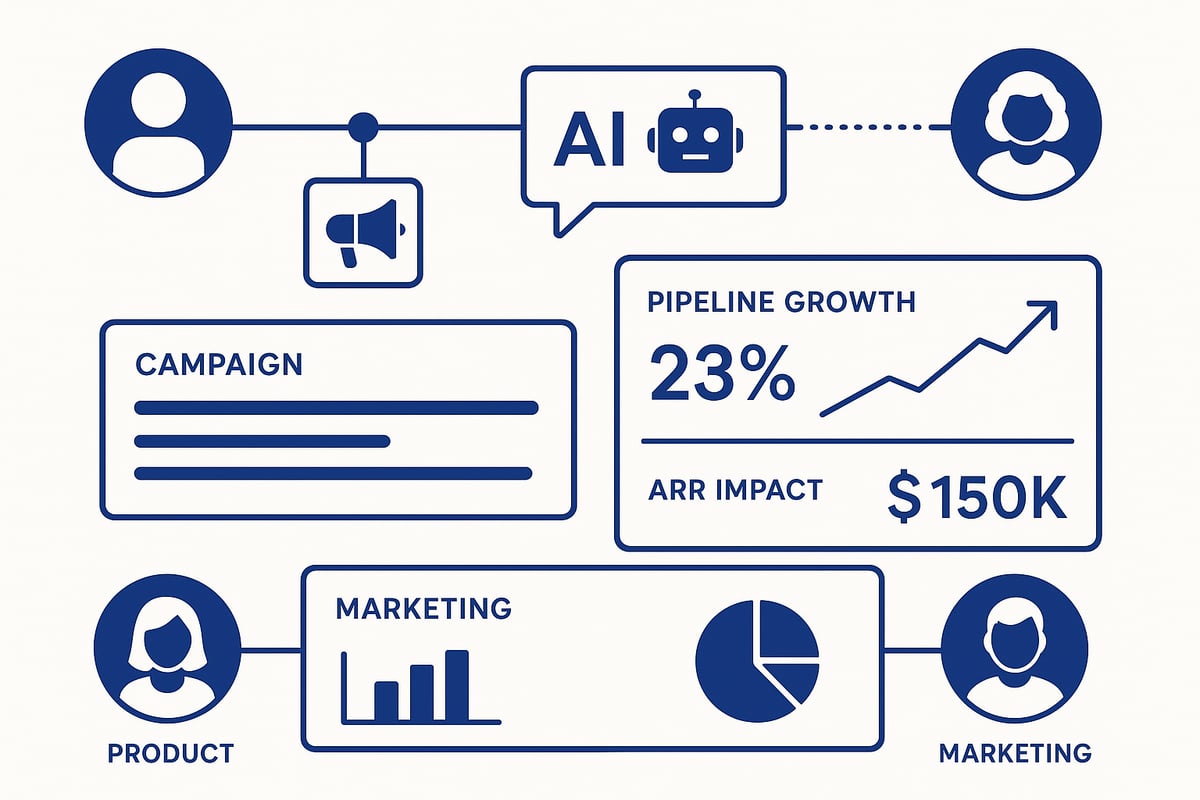
In 2026, marketing roadmaps are no longer simple timelines. They are visual, strategic plans that align marketing initiatives with business goals and a unified go-to-market strategy. For B2B SaaS and enterprise software, these roadmaps act as the connective tissue between product, marketing, and sales teams.
The landscape has shifted. Modern marketing roadmaps integrate real-time data, AI-driven insights, and cross-functional visibility. Instead of static plans, teams now use dynamic, outcome-focused frameworks that adapt as markets change.
Typical examples of 2026 marketing roadmaps include:
- Quarterly campaign timelines showing key launches and milestones
- Product launch plans integrating cross-team deliverables
- Omnichannel content calendars mapping touchpoints by segment and journey stage
Crucially, marketing roadmaps in 2026 link activities directly to pipeline and annual recurring revenue (ARR), not just surface-level metrics. Teams track the impact of every campaign on trial signups, sales-qualified leads, and expansion revenue.
Agentic AI and automation are transforming both the creation and execution of marketing roadmaps. AI agents can update plans in real time, optimize campaign spend, and surface new growth opportunities. For a deeper look at AI's impact on marketing operations, see AI in marketing transformation.
Industry research shows that most teams build several marketing roadmaps for different purposes, such as strategic, quarterly, theme-based, or event-driven formats. This flexibility ensures that each roadmap supports measurable business outcomes and fosters true alignment across the organization.
The Strategic Value of Marketing Roadmaps
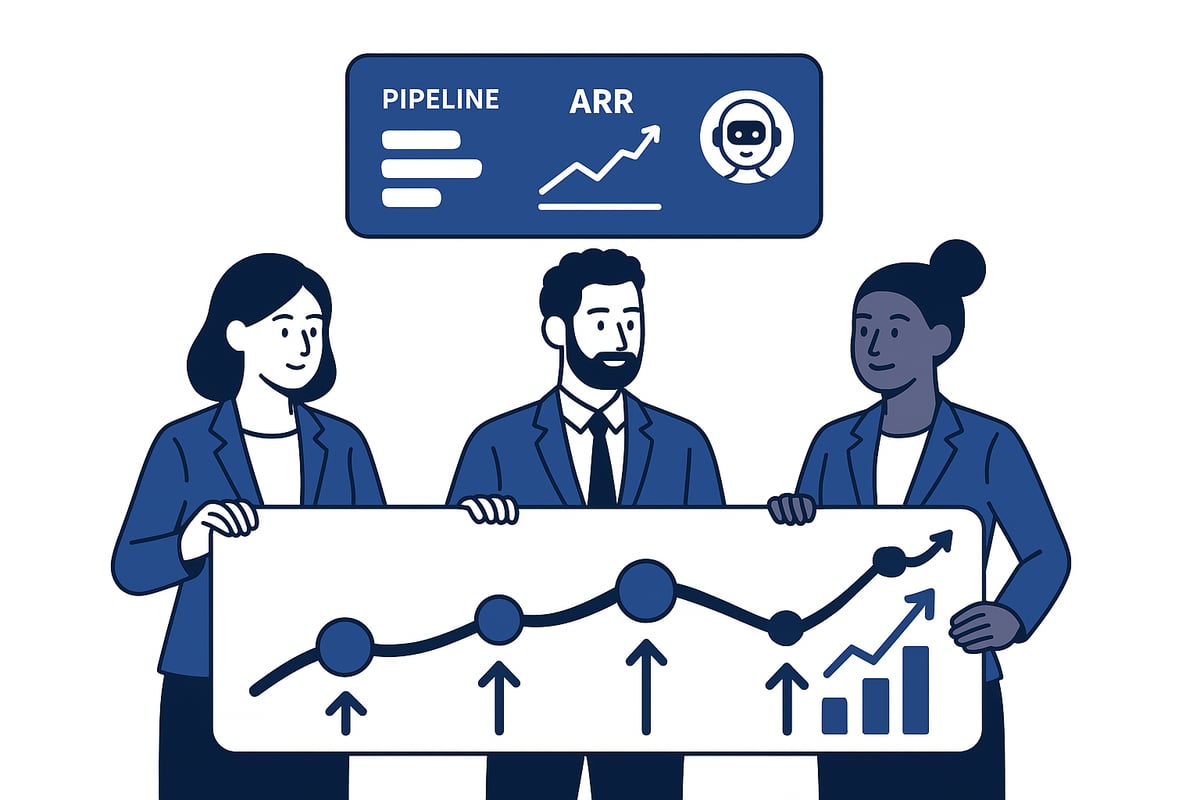
Imagine a SaaS go-to-market team launching a new enterprise solution. Without marketing roadmaps, product, marketing, and sales often work in silos, resulting in duplicated efforts and missed opportunities. In 2026, the strategic value of marketing roadmaps lies in uniting these teams around shared objectives, creating a single source of truth for growth.
Marketing roadmaps foster alignment by connecting every initiative to clear business outcomes. When roadmaps are transparent, teams gain stakeholder buy-in and know exactly where to focus resources. This clarity leads to faster campaign launches and more efficient GTM execution.
Key benefits of marketing roadmaps:
- Unified growth strategy across product, marketing, and sales
- Prioritized resource allocation for high-impact initiatives
- Accelerated pipeline generation and campaign velocity
- Enhanced collaboration and cross-functional visibility
Industry benchmarks show that organizations with clear marketing roadmaps can achieve up to 30% faster campaign launches and 20% higher pipeline contribution. AI and Agentic Automation make these roadmaps living documents, enabling quick pivots as market data changes. For example, when launching in multiple regions, a dynamic roadmap helps synchronize product releases, marketing sprints, and sales enablement activities.
Roadmaps also provide measurable ways to communicate marketing’s impact on revenue and business objectives. They empower teams to adapt quickly, reduce wasted spend, and avoid common pitfalls like duplicated work or lack of visibility. To deepen cross-functional alignment, many SaaS leaders leverage frameworks and insights from Go-to-market team alignment, ensuring everyone moves in sync.
In 2026, the most successful B2B SaaS companies treat marketing roadmaps as agile, data-driven blueprints for growth, not just static plans.
Key Components of a 2026 Marketing Roadmap
Building effective marketing roadmaps in 2026 means blending strategic clarity, cross-team alignment, and cutting-edge technology. Let’s break down the essential building blocks that drive measurable outcomes in B2B SaaS.
Setting Outcomes and KPIs
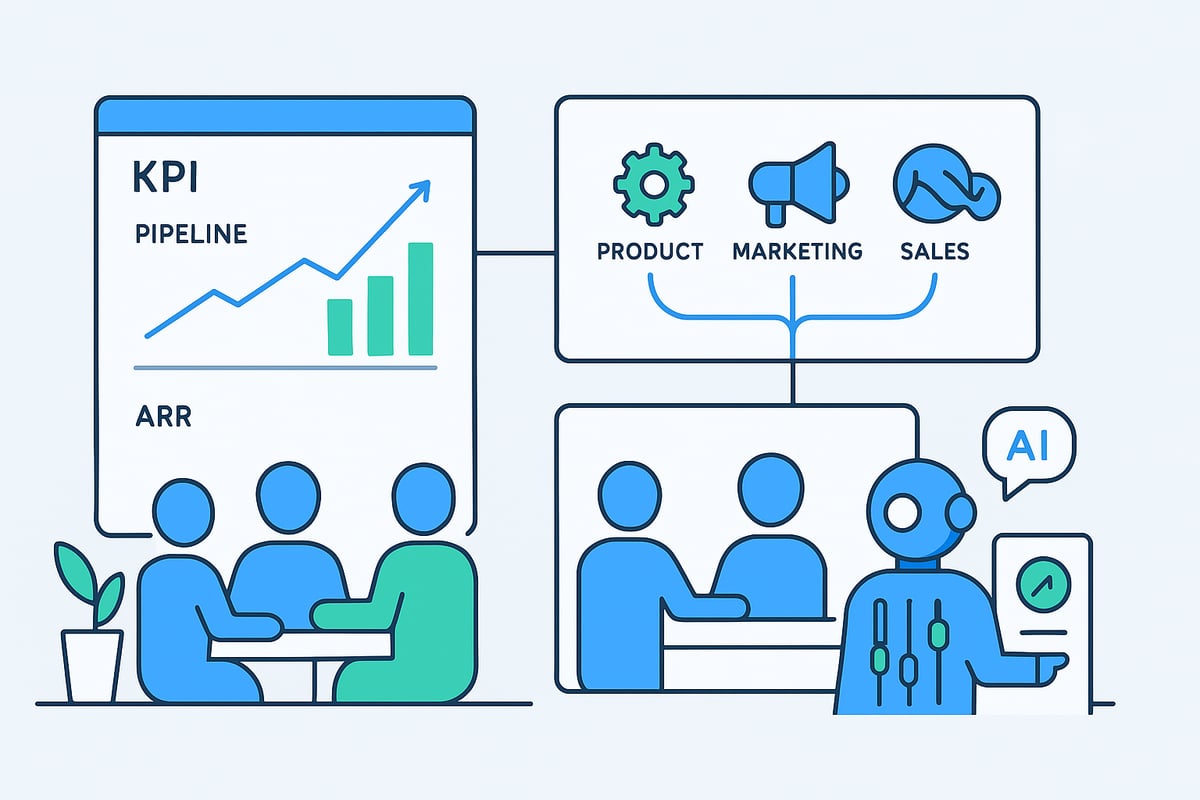
Every successful marketing roadmap starts by setting clear, outcome-driven goals. In 2026, B2B SaaS leaders focus on pipeline growth, ARR, market share, and product adoption. These outcomes go beyond surface-level metrics.
- Define both leading and lagging indicators, such as trial signups, SQLs, and expansion revenue.
- Integrate AI-driven predictive analytics to anticipate results and optimize strategies.
- Connect all KPIs directly to revenue, not just engagement.
For more on pipeline-centric goal setting, explore pipeline generation best practices. This ensures your marketing roadmaps translate activity into real business value.
Cross-Functional Alignment
True alignment across product, marketing, and sales is the backbone of modern marketing roadmaps. Start by gathering input from all departments to shape unified objectives and shared language.
- Schedule regular alignment meetings and feedback loops for ongoing collaboration.
- Use integrated dashboards for transparency and accountability.
- Sync product releases with marketing sprints and sales enablement for seamless execution.
This approach keeps teams moving together, reduces friction, and ensures everyone is working toward the same outcomes within your marketing roadmaps.
Agentic AI and Automation Integration
Agentic AI is revolutionizing how marketing roadmaps are created and managed. These intelligent agents dynamically update plans, optimize campaigns, and allocate resources based on real-time data.
- Automate repetitive tasks like content scheduling and lead scoring.
- Use AI agents to adjust campaign spend instantly as performance shifts.
- Gain a competitive edge by letting AI surface new growth opportunities and adapt strategies on the fly.
By weaving Agentic AI and automation into your roadmap, you unlock speed, agility, and smarter decision-making for your GTM motions.
Step-by-Step Guide: Building a Future-Proof Marketing Roadmap
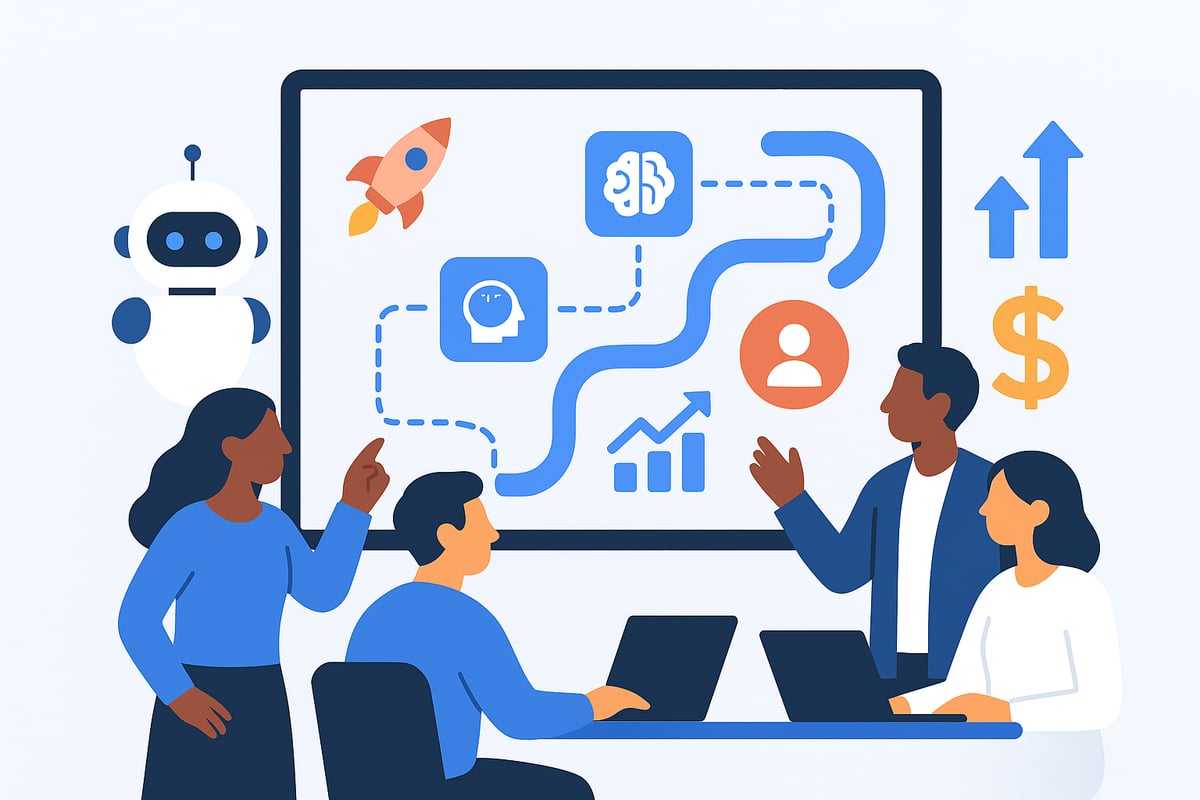
Building effective marketing roadmaps in 2026 is like mapping a path through shifting terrain. Success depends on uniting vision, execution, and technology. Below, discover a practical, step-by-step process for designing future-proof strategies that drive pipeline, ARR, and lasting growth.
1. Define Strategic Objectives
Start by clarifying why your marketing roadmaps exist. Tie every initiative directly to business outcomes like pipeline growth, ARR, and retention. Bring executives together to align on priorities. For example, set a clear objective: “Grow US ARR by 40 percent via enterprise segment.”
2. Map Key Initiatives and Milestones
List the major campaigns, launches, and GTM motions for your year or quarter. Prioritize them based on expected pipeline impact and available resources. For instance, plan a product launch, an ABM campaign, and a partner marketing push, each with specific milestones.
3. Assign Owners, Resources, and Dependencies
Allocate clear responsibilities across product, marketing, and sales for every roadmap item. Visualize dependencies such as product release dates or sales enablement needs. Leverage project management tools to ensure transparency and keep everyone accountable.
4. Integrate Agentic AI and Automation
Deploy Agentic AI agents for real-time monitoring, campaign optimization, and resource allocation. Automate tasks like content scheduling and lead scoring. According to Gartner Predicts 60% of Brands Will Use Agentic AI by 2028, Agentic AI is rapidly becoming essential for personalized, dynamic marketing execution.
5. Establish Measurement and Feedback Loops
Set up dashboards to track KPIs, pipeline, and ARR impact. Schedule regular reviews for course correction and leverage AI-driven insights for ongoing improvement. This ensures your marketing roadmaps stay aligned with business objectives and deliver measurable value.
Real-World Examples of Effective Marketing Roadmaps
What does a winning marketing roadmap look like in action? Let’s break down four real-world examples that showcase the power of modern marketing roadmaps for B2B SaaS and enterprise software companies.
Strategic Roadmap: Enterprise SaaS Launch
Picture an enterprise SaaS company preparing a global product launch. Their marketing roadmap outlines quarterly milestones, aligning product, marketing, and sales teams. Each department knows their exact deliverables, from beta release to sales enablement. This approach reduces GTM friction and boosts pipeline impact. For a deeper dive into strategy, see this B2B SaaS marketing strategy resource.
- Quarterly campaign sprints
- Product and feature launches
- Unified go-to-market messaging
Theme-Based Roadmap: Segment-Driven Campaigns
A SaaS company structures their marketing roadmaps by market segments, such as enterprise, mid-market, and SMB. Each theme focuses on use-case-driven campaigns, tailoring messaging and assets. This roadmap style improves campaign velocity and ensures marketing efforts resonate with target buyers.
- Segment-specific content calendars
- Buyer persona alignment
- Cross-functional sprint planning
Event-Driven Roadmap: Pipeline Acceleration
When pipeline acceleration is the goal, event-driven marketing roadmaps shine. Teams orchestrate webinars, industry conferences, and digital events, mapping each touchpoint to pipeline KPIs and ARR targets. Frequent feedback loops allow for agile adjustments based on attendee engagement and sales input.
- Event milestones and deadlines
- Sales enablement integration
- Real-time KPI tracking
AI-Powered Roadmap: Agentic Automation in Action
Modern marketing roadmaps now harness Agentic AI for real-time optimization. Imagine AI agents autonomously reallocating campaign budgets, updating plans instantly, and surfacing new growth opportunities based on live data. This automation delivers measurable outcomes, such as higher marketing-sourced pipeline and faster campaign cycles, keeping teams ahead of market shifts.
- AI-driven performance insights
- Automated resource allocation
- Continuous roadmap updates
Best Practices and Pitfalls to Avoid in 2026
Keeping marketing roadmaps effective in 2026 means balancing innovation with discipline. As strategies become more AI-driven, teams must stay focused on outcomes, transparency, and cross-functional alignment.
Best Practices for 2026:
- Use dynamic, living marketing roadmaps, updating regularly as strategies evolve.
- Foster cross-team transparency with shared dashboards and clear accountability.
- Prioritize outcomes, not activity, focusing KPIs on revenue, pipeline, and ARR.
- Integrate Agentic AI for real-time optimization, but ensure human oversight on strategy. For example, Weber Shandwick's AI Platform HALO Enhances Crisis Management demonstrates responsible automation in action.
- Schedule frequent reviews to allow for fast, data-driven pivots based on performance.
Pitfalls to Avoid:
- Overcomplicating marketing roadmaps with excessive detail that slows execution.
- Allowing teams to operate in silos, creating duplicate work and missed opportunities.
- Ignoring the connection between KPIs and business goals, leading to vanity metrics.
- Relying too heavily on automation without strategic human input.
- Failing to leverage AI efficiency gains, even as over two-thirds of retailers deploy AI agents for efficiency.
Tools and Frameworks:
- Adopt integrated GTM dashboards, AI-powered project management, and collaborative planning platforms for real-time visibility.
By following these best practices, B2B SaaS leaders can ensure marketing roadmaps stay agile, accountable, and tightly aligned with business growth in 2026.
As we wrap up this guide, imagine what your team could achieve if every campaign, product launch, and sales push felt like chapters in a single, seamless story—where everyone’s on the same page and every effort drives real growth. That’s the power of a well-built marketing roadmap for 2026, with the right blend of data, AI, and cross-team collaboration. If you’re ready to move from scattered plans to a unified, revenue-focused strategy, let’s connect and explore how we can bring that vision to life together. Book Your Personal Intro Call

Latest From
The Blog

Go To Market Strategy Consulting Guide For 2025 Success

Go To Market Strategy McKinsey Guide For Success 2025
.jpg)
Crossing the Enterprise Chasm: A Practical Guide to Sales-Led Growth (SLG)

Let's Build The Future Together
